
Canon Vs. Nikon Vs. Leica Vs. Sony Vs. Fujifilm
Why none of it matters. The most clicked content in photography tells you almost nothing useful. Here is what to ask instead.
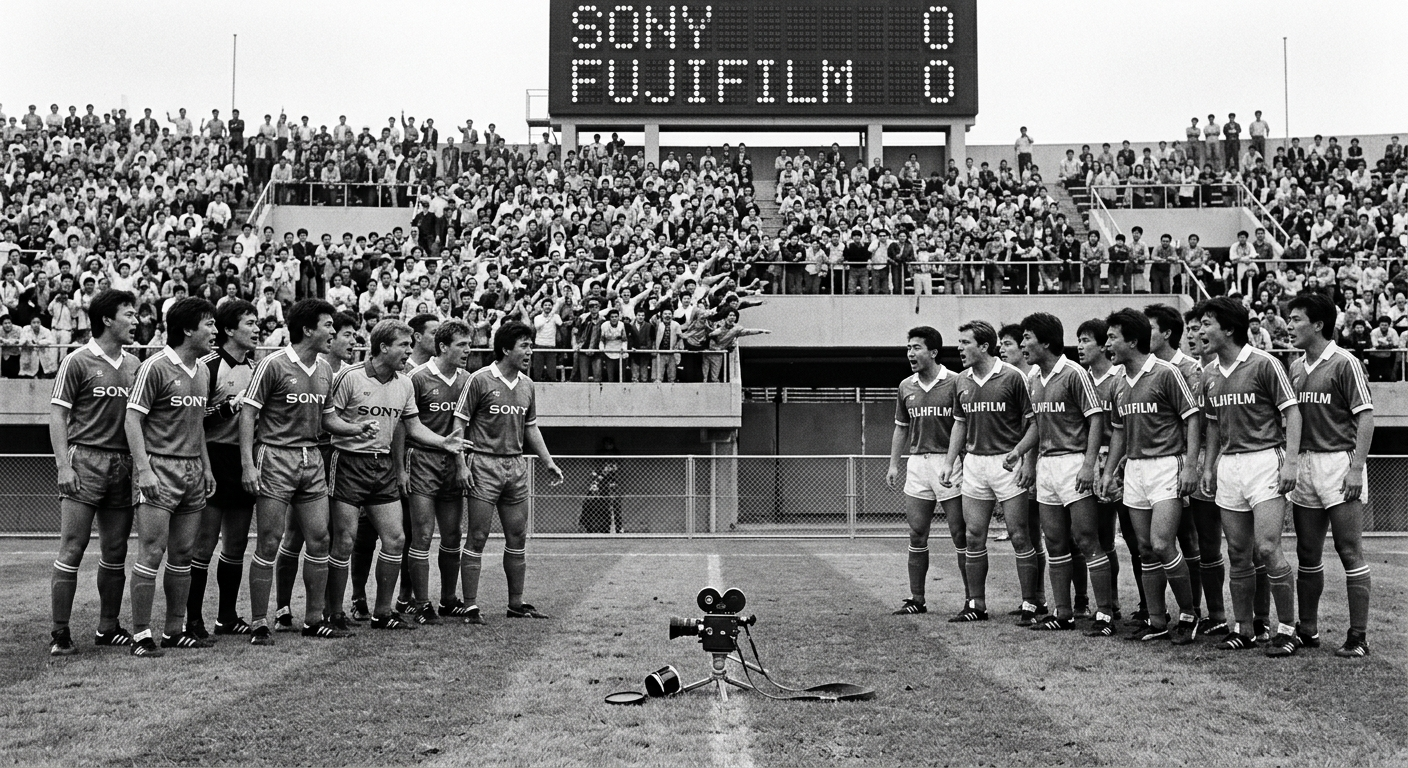
Open YouTube and type any two camera brands into the search bar. The results will fill your screen. Sony versus Fujifilm. Canon versus Nikon. Leica versus Sony. Fujifilm versus OM System. The headline writes itself, the thumbnail practically designs itself, and the comment section generates itself with zero effort from anyone. Camera comparison content is the most reliable traffic generator in photography media and it has been for years.
The reason is not hard to find. The audience arrives pre motivated. They have already bought into a system. They have spent real money and made a real commitment and they have a stake in the outcome before they even press play. The video promises to tell them something that will validate that stake or challenge it and either way they cannot resist clicking. Camera manufacturers understand this dynamic. The media that covers them understands it. The format is a machine that produces engagement almost automatically.
None of which means it is actually useful.
What comparison content is really about
Here is the thing that camera comparison videos almost never say out loud. They are not really about cameras.
The Canon shooter watching a Canon versus Sony video is not watching it to gather information. They have a Canon. The decision is made. What they are watching it for is confirmation. The Sony shooter is doing exactly the same thing from the other direction. Both of them will watch the same video and come away feeling that the evidence supported their position. Neither of them will switch systems as a result. No comparison video in the history of photography media has ever genuinely changed the mind of a photographer who was already invested in a system.
What comparison content is actually about is identity. When you invest seriously in a camera system you are not just buying hardware. You are making a statement about who you are as a photographer. The Fujifilm shooter who values color rendering and analog controls and a specific kind of tactile experience has built a relationship with their tools that goes well beyond the technical specifications. The Sony shooter who values autofocus performance and sensor capability has done the same thing from a different starting point. These are genuine preferences rooted in genuine values.
The comparison video feeds the identity need. It does not resolve it. Because the identity need cannot be resolved by a comparison chart. It is not actually about the chart.
The writer and their pen
Think about writers and their tools. Some write longhand. Some are devoted to specific software. Some have strong feelings about particular notebooks or particular pens. Cormac McCarthy wrote on a typewriter for decades. Joan Didion wrote longhand. Hemingway stood at a lectern. These preferences are real and they affect the experience of writing. They shape the rhythm and the ritual of the work. They matter to the person doing the work.
They do not affect the quality of the sentences.
A great writer with a cheap ballpoint and a mediocre writer with a bespoke fountain pen will produce exactly the work their talent and commitment allow regardless of the instrument. The sentences are not better because the pen is better. The sentences are what the writer makes them. The pen is the means of getting them onto the page.
Photography works exactly the same way. The camera at any comparable price point from any reputable manufacturer is capable of producing extraordinary work. This has been true for at least a decade. The differences between the major systems in terms of the photographs they actually produce in the hands of a serious photographer are genuinely marginal. No significant body of work in the history of photography was made possible by one brand over another. The photographs Cartier-Bresson made were not Leica photographs. They were Cartier-Bresson photographs. The camera facilitated. It did not create.
The question actually worth asking
Instead of which camera is better the more useful question is which camera disappears most completely in your hands.
The best tool for any photographer is the one that stops being something they think about and becomes an extension of how they see. The camera that fits your hand in a way that makes raising it feel natural. That puts the controls where your fingers find them without looking. That produces images whose rendering you respond to instinctively. That you reach for when you leave the house rather than leaving behind because it is too heavy or too conspicuous or too complicated for the situation you are walking into.
That question is deeply personal and no comparison chart can answer it. It depends on what you shoot and how you shoot it and where you shoot it and what you value in the experience of making photographs. It depends on whether ergonomics or image quality or size or autofocus performance or in-camera JPEG rendering or lens ecosystem or simply the feeling of the thing in your hand matters most to you specifically.
These are questions only you can answer and they require time with the tools rather than time with the comparison videos. The photographer who has shot with three different systems over ten years knows things about what suits them that no YouTube channel can tell them. The photographer who has only ever watched comparisons and never held the cameras is gathering information that cannot actually be applied without the tactile, personal, specific experience of using the thing.
What to do instead
Next time you feel the pull of a camera comparison video ask yourself what you are actually looking for. If the honest answer is information you need to make a purchasing decision then go handle the cameras in question before you watch anything. Spend an hour with each one. Walk around a block. See which one you stop thinking about.
If the honest answer is validation of a decision you have already made then close the tab and go out with the camera you own. The time you would spend watching the comparison is time you could spend making photographs with the tool you already have. And the photographs you make with the tool you already have are going to be more useful to your development as a photographer than anything a comparison video can tell you about a camera you are not planning to buy.
The best camera is not the one that wins the comparison. It is the one that disappears in your hands and lets you see.
Ready to see the world differently? The Monochrome Method is a complete video course with lessons and assignments designed to help you craft compelling black and white images and build a portfolio that's unmistakably yours. Start Learning Today.
IF YOU WOULD LIKE TO IMPROVE YOUR BLACK AND WHITE PHOTOGRAPHY TRY THE LESSONS BELOW.


















A Beginners Guide To Black And White Photography