
What Sebastião Salgado Teaches Us About Making Work That Matters
His photographs of the forgotten are now among the most coveted objects in the art world. That is not a contradiction. It is the whole point.
There is a photograph that stops most people the first time they see it. Thousands of men covering the walls and floor of a vast open pit mine in Brazil like a human anthill. Carrying sacks of earth on their backs up narrow wooden ladders in the heat. Earning almost nothing. The image looks like something from the ancient world and yet it was taken in 1986 by a Brazilian photographer named Sebastião Salgado, and the mine was real, and those men were alive, and the world mostly had no idea they existed.
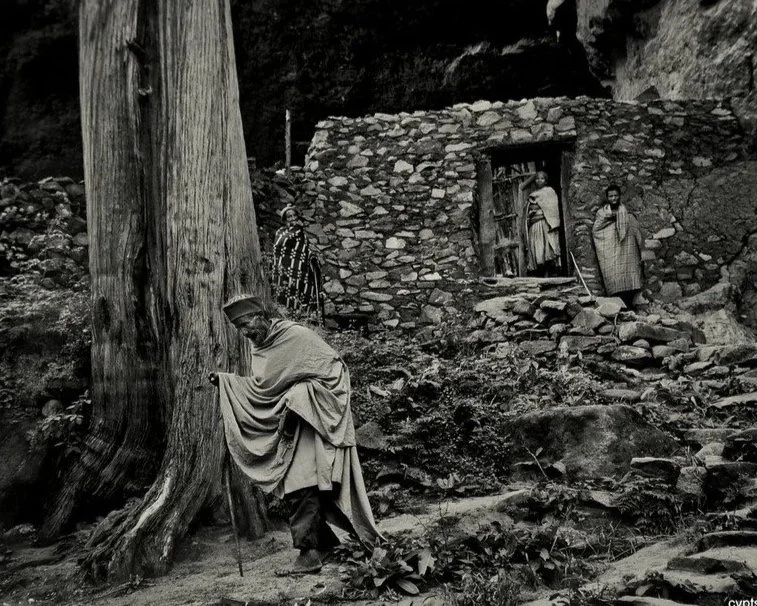
Salgado spent the better part of a decade on a project called Workers, documenting manual labor on a global scale before industrialization made it obsolete. He went to the mines and the shipyards and the wheat fields and the fishing boats and the construction sites. He stayed long enough to understand what he was looking at. He came back with images that permanently changed how a generation of photographers thought about what the medium was for.
He passed away last year at 81. This week a collection of 30 signed prints spanning four decades of his work goes to auction at Phillips in New York. The estimates on some of the portfolios run to six figures. The photographs showing those mud-covered miners are expected to fetch between $100,000 and $150,000.
That number is worth thinking about. Not because of what it says about the art market but because of what it says about the work.
Why the work lasted
Salgado was not born a photographer. He trained as an economist and did not pick up a camera seriously until his late twenties. That background shaped everything. He did not photograph surfaces. He photographed systems. When he stood in front of a miner or a refugee or a subsistence farmer he understood the economic and political forces that had put that person there. That understanding is in the images. You can feel it even if you cannot name it.
His other distinguishing quality was time. Salgado did not work quickly. His major projects unfolded over years and sometimes decades. Genesis, his exploration of the natural world in regions largely untouched by industrial civilization, took eight years. Migrations, his documentation of mass human displacement, required him to travel to more than 40 countries. This was not a man who parachuted in for a long weekend and filed his best frames.
The result is a body of work that has a weight and authority that most photography simply does not. When you look at his images you are not looking at a moment someone happened to catch. You are looking at the accumulated understanding of a person who gave years of their life to knowing something fully before trying to show it to you.
The black and white question
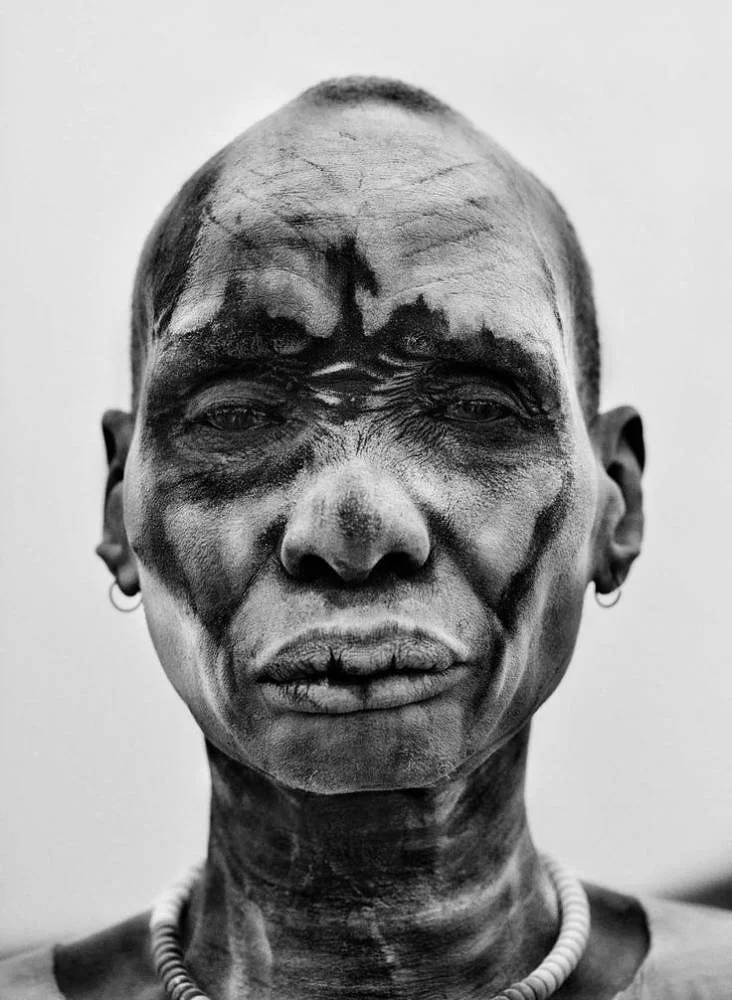
Salgado always worked in black and white. He talked about this choice often and his reasoning is worth understanding. Color, he felt, pulled attention toward the surface of things. Black and white pushed attention toward the structure underneath. The light. The form. The relationship between figures. The emotional truth of a face.
For a community built around monochrome photography this is familiar territory. But Salgado takes it further than most. His black and white is not a stylistic preference. It is an ethical position. He believed that stripping color from the image was a way of insisting that the viewer look at the human being in front of them rather than at the circumstances surrounding them. The mud-covered miner becomes universal rather than specific. The suffering becomes recognizable rather than foreign.
That is a profound way to think about what black and white photography actually does and why it matters.
Dignity as a photographic practice
The thing that strikes most people about Salgado's work once they have spent time with it is not the technical quality or even the compositional brilliance. It is the dignity. Every person he ever photographed is treated as a full human being. You never feel like you are looking at a victim or a subject or a symbol. You feel like you are looking at a person.
This was not accidental. Salgado believed that the photographer's relationship with their subject was the foundation of the image. He spent time with people before he photographed them. He learned their names and their stories. He came back. The trust you can feel in his images is real because it was real. He earned it.
This is something every photographer can practice regardless of what they shoot or where they shoot it. Before you raise the camera ask whether the image you are about to make treats the person in front of you the way you would want to be treated in the same situation. That question does not slow you down. It focuses you.
What commitment actually looks like
The auction prices Salgado's work is commanding this week are significant. But they are not the point and Salgado would probably be the first to say so. He did not make his work for the market. He made it because he believed that photographs could change how people understood the world and that changing how people understood the world was worth devoting a life to.
That conviction is what the market is now pricing. Not the technical quality of the prints, though they are exceptional. The depth of the commitment behind them. The decades of difficult travel and difficult conversations and difficult decisions about what to include and what to leave out. The refusal to make the work easier or more comfortable than the truth demanded.
Most of us are not working at the scale Salgado worked at. We are not spending eight years on a single project or traveling to 40 countries for one body of work. But the principle is the same at any level. The work that lasts is the work that comes from genuine commitment to something you actually care about. Not something that seems to be performing well. Not something that fits the current aesthetic. Something you would keep making even if nobody was watching.
That is the real lesson from a collection of photographs selling for six figures in New York this week. The market did not create the value. The commitment did. The market just eventually caught up.
Sebastião Salgado: A Life's Voyage runs as an online auction at phillips.com April2-10 with the live auction in New York on April 11th.
Ready to see the world differently? The Monochrome Method is a complete video course with lessons and assignments designed to help you craft compelling black and white images and build a portfolio that's unmistakably yours. Start Learning Today.
IF YOU WOULD LIKE TO IMPROVE YOUR BLACK AND WHITE PHOTOGRAPHY TRY THE LESSONS BELOW.












A Beginners Guide To Black And White Photography