
How to Create Layers in a Photograph
A photograph with one thing to look at gets looked at once. Here is how to give yours more.
A layered photograph is one that gives you something different on the third look than it gave you on the first. Not because it is complicated or difficult but because it has more in it than any single viewing can exhaust. The eye keeps finding things. Relationships between elements. Details that shift the meaning of everything else once they are noticed. A quality of light that reveals itself slowly rather than all at once.
Most photographs do not work this way. Most photographs deliver their content immediately and completely. You get it on the first look and there is nothing left to find on the second. This is not always a problem. A photograph that communicates powerfully and immediately is doing something real. But it is also a photograph that will be forgotten quickly because the transaction between the image and the viewer is finished after a single encounter.
The images that last are almost always the ones with layers. Here is what those layers actually are and how to create them.
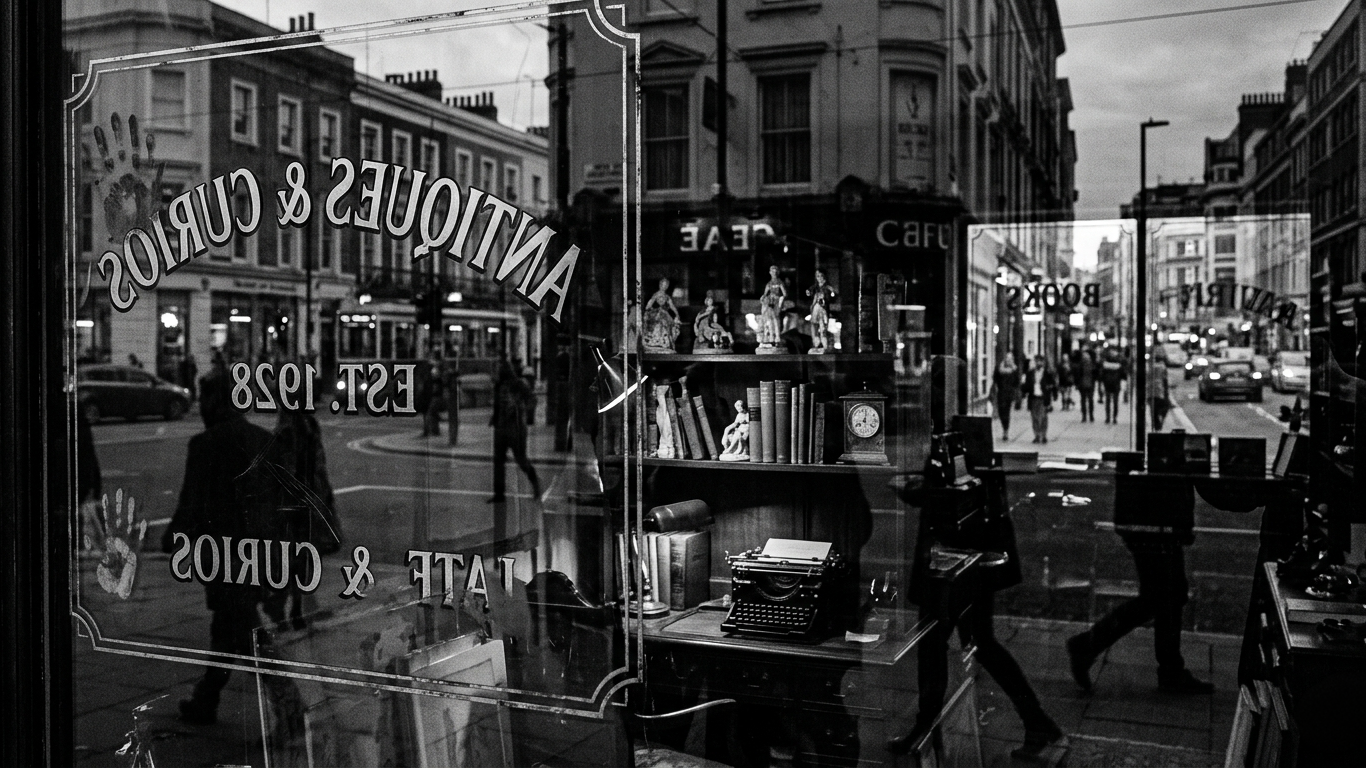
Foreground and background Layers
Most photographers think about foreground and background as separate elements. The subject is in the foreground. Everything else is behind it. The background is context, nothing more.
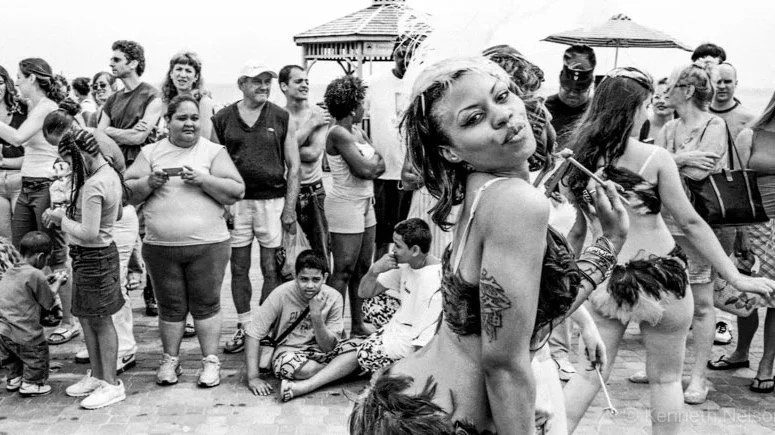
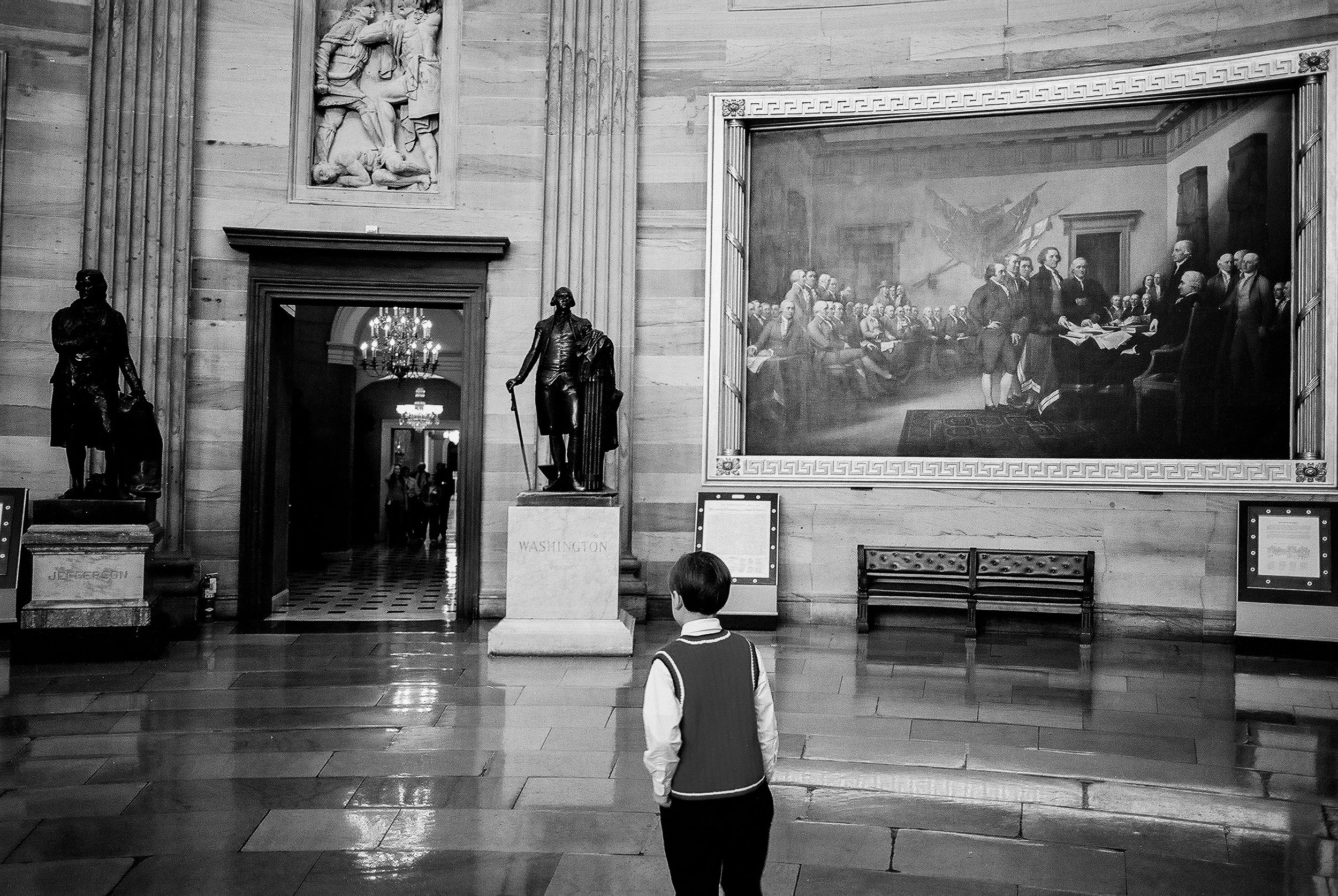
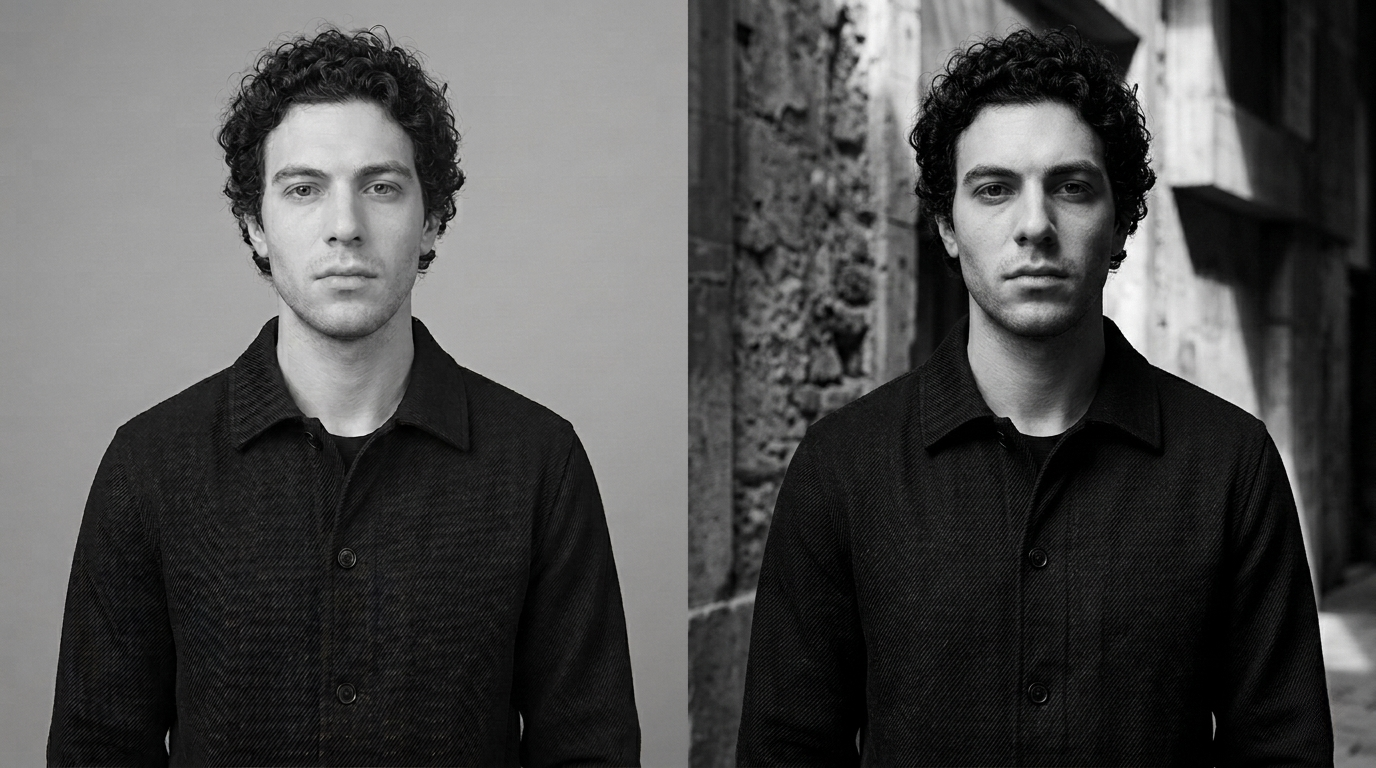
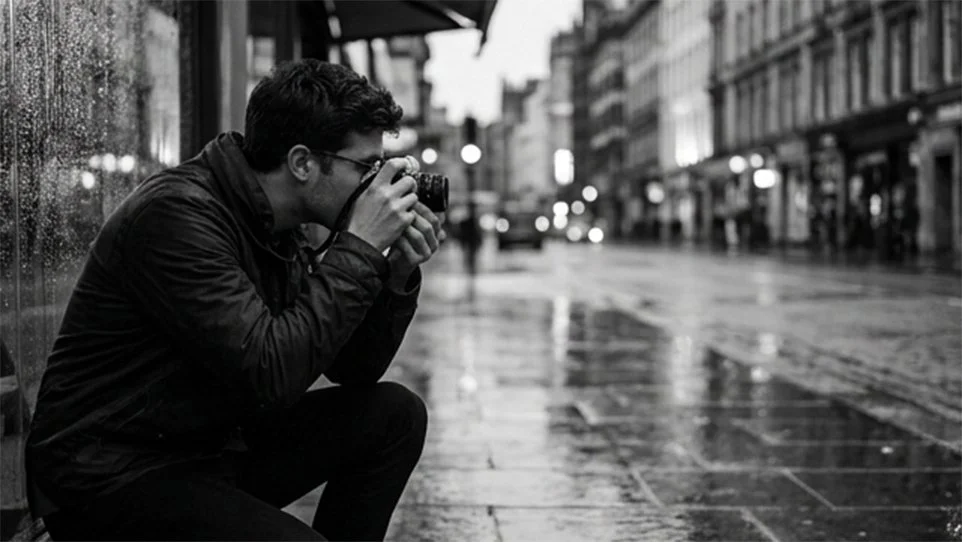
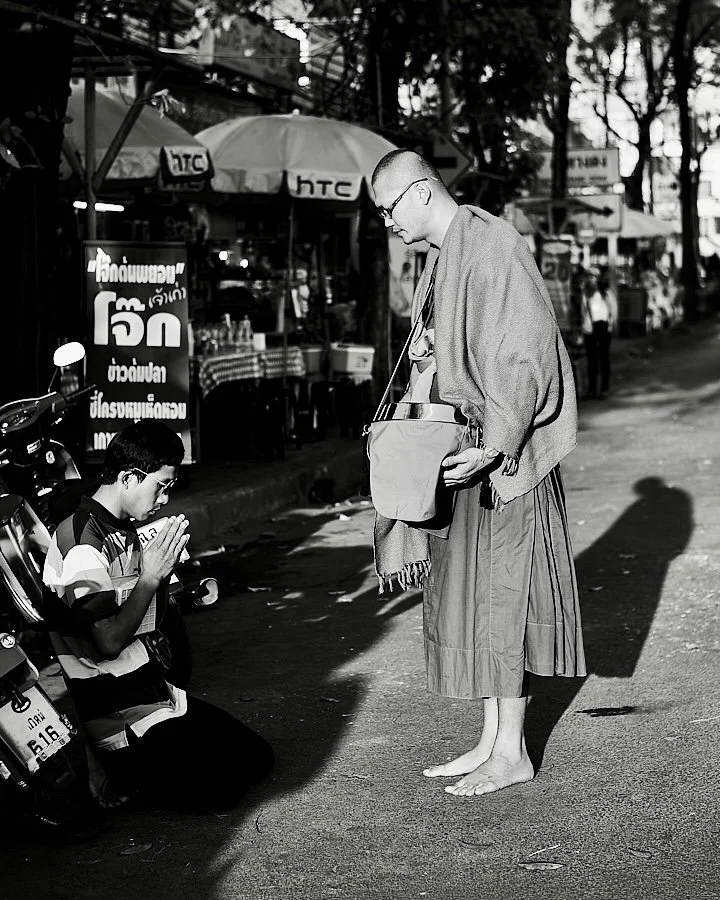
The most interesting photographs treat foreground and background as a conversation. What is happening behind your subject changes the meaning of your subject. A figure in sharp focus takes on a completely different quality depending on what is blurred behind them. A portrait in front of a blank wall says one thing. The same portrait in front of a scene that echoes or complicates or comments on the person says something else entirely.
The background is not decoration. It is a second statement. And when the first statement and the second statement are in genuine dialogue with each other the photograph has a layer that keeps the viewer moving between them, looking at each in the light of the other, finding meaning in the relationship rather than just in either element alone.
Light Layers
Flat light describes a scene. Directional light sculpts it. But the most layered light does something beyond both of these. It means something.
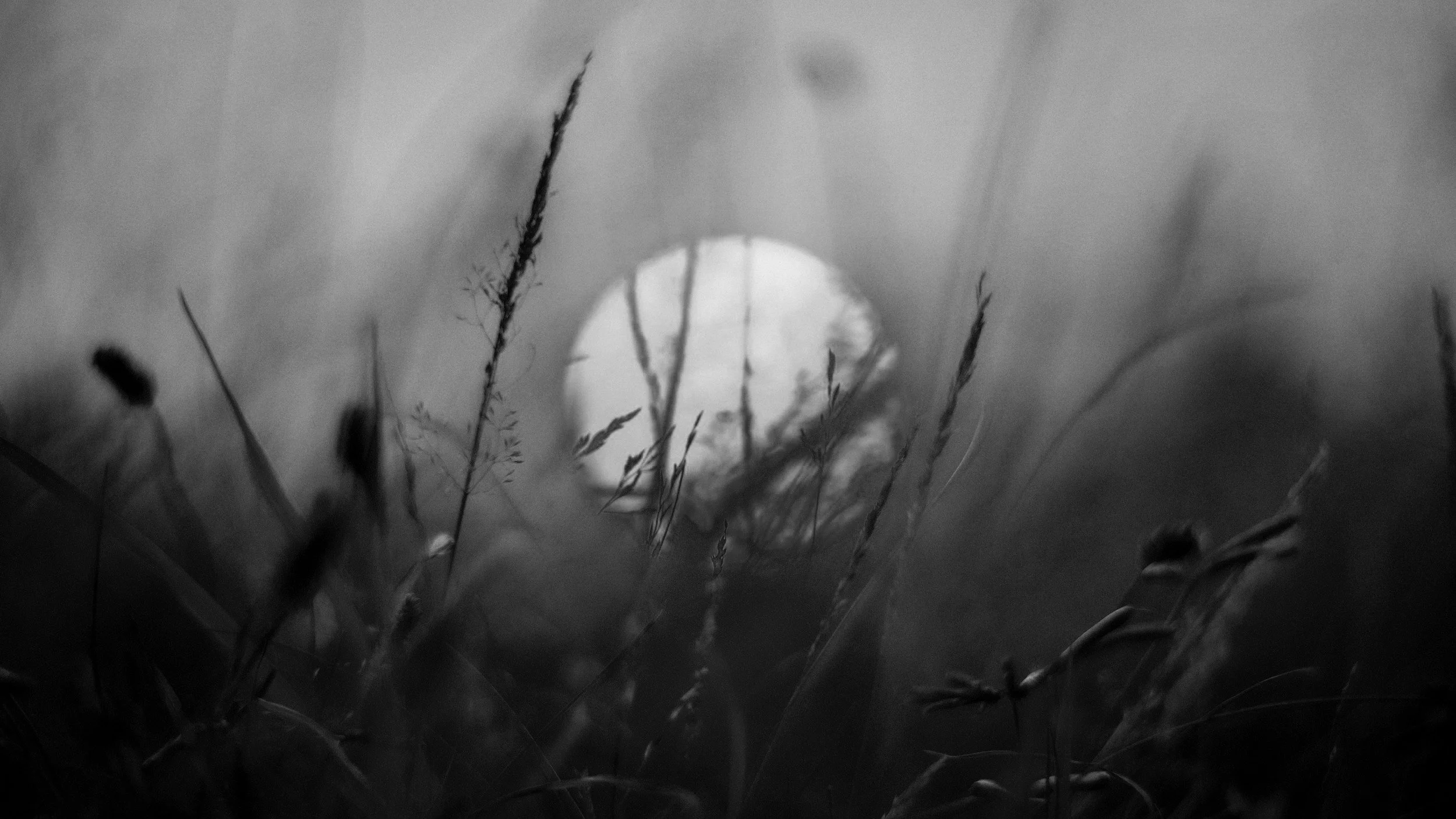
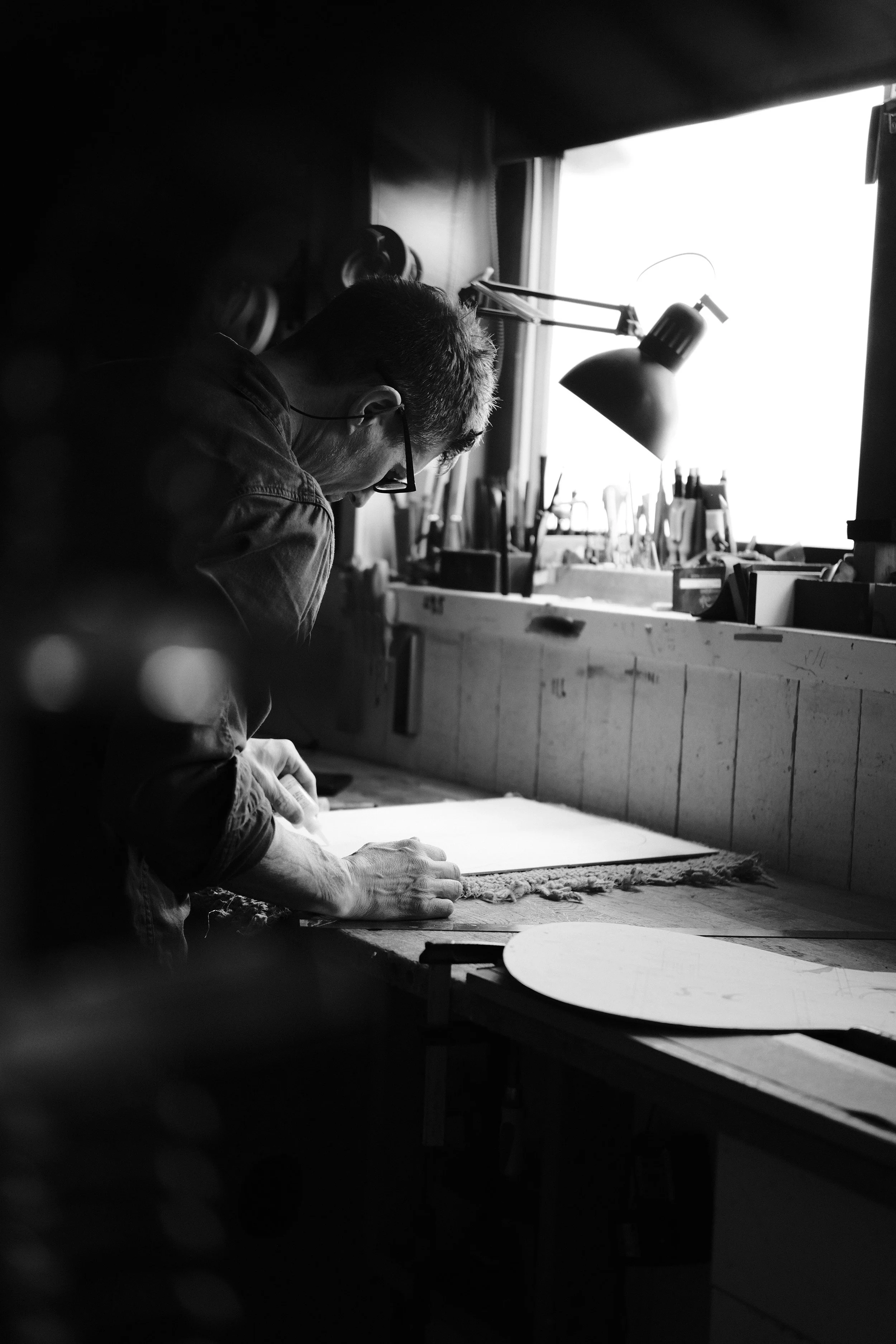
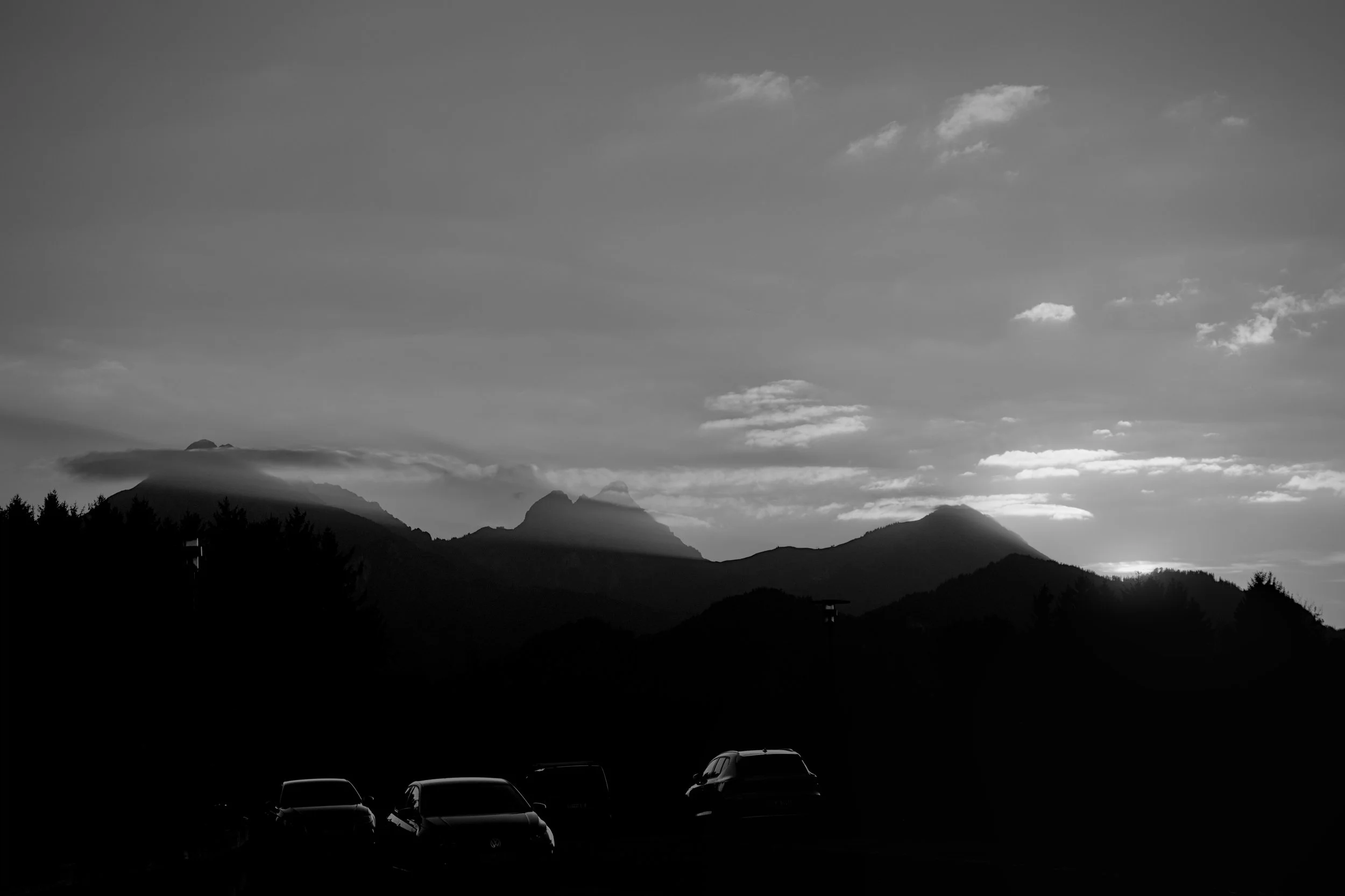
A shaft of light falling across a face in darkness is not just illumination. It is emphasis. Isolation. Drama. The shadow it creates is as much a subject as the light itself. When light simultaneously reveals and conceals it gives the viewer two things to look at rather than one. The lit area draws the eye first. Then the darkness around it starts to ask questions. What is in there. What is being hidden. Why does the boundary between light and shadow fall exactly here.
This is why the photographers we return to most consistently are almost always masters of shadow as much as light. The shadow is the layer beneath the light. It is where the image keeps secrets that reward the patient viewer.
detail Layers
This is the most powerful kind of layer and the hardest to create deliberately because it depends on seeing the whole frame rather than just the primary subject.
A small element in the corner of the frame, a reflection, a shadow, a figure barely visible in the background, a piece of text on a wall, that most viewers miss on the first look but which fundamentally changes the meaning of the image once it is noticed. The image means one thing without it and something entirely different with it.
When a viewer finds this detail the experience is something close to the feeling of a plot twist in a good film. Everything they thought they understood about the image shifts slightly. They go back to the beginning and look at it again with new information. That return visit is the layer doing exactly what it is supposed to do.
The way to create this kind of layer is to look at the whole frame before you press the shutter. Not just the subject. Every corner. Every edge. Every element competing for space. Ask what is in this frame that I have not yet looked at directly. Sometimes what you find there is the most interesting thing in the image.
Emotional Layers
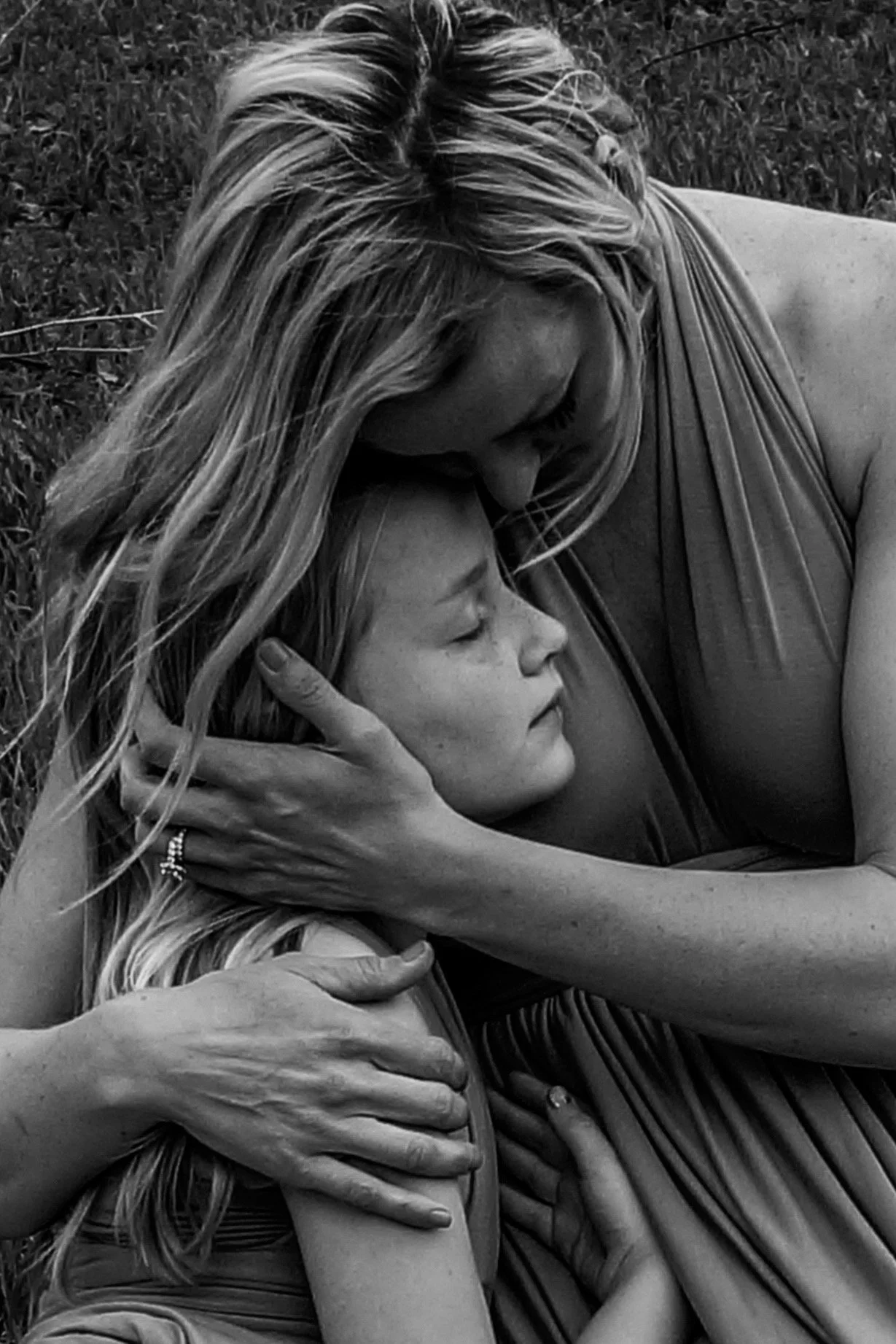
A photograph that tells you exactly how to feel gives you nowhere to go once you have felt it. A photograph whose emotional content is genuinely complex keeps pulling you back because you have not yet resolved it.
An expression that could be grief or relief or something between them. A scene whose atmosphere shifts depending on how you read the relationship between its elements. A moment that feels simultaneously like a beginning and an ending. These are emotional layers and they sustain attention over time in a way that emotional clarity cannot.
This does not mean being deliberately obscure. It means being honest about the genuine complexity of human emotion and human situations rather than reducing everything to a single legible feeling. The world is ambiguous. Photographs that reflect that ambiguity rather than simplifying it have more truth in them and more to offer on the return.
Textured Layers
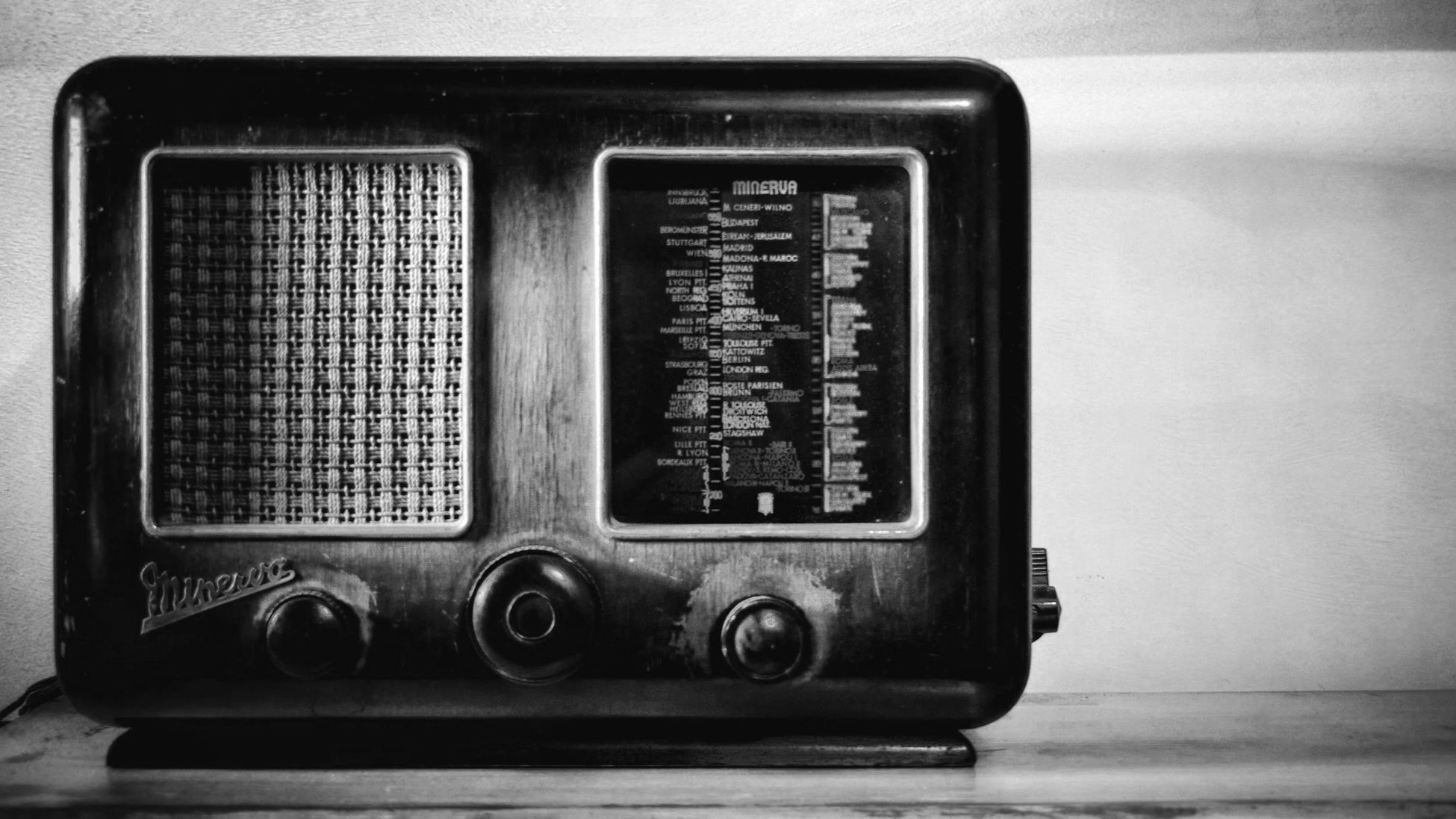
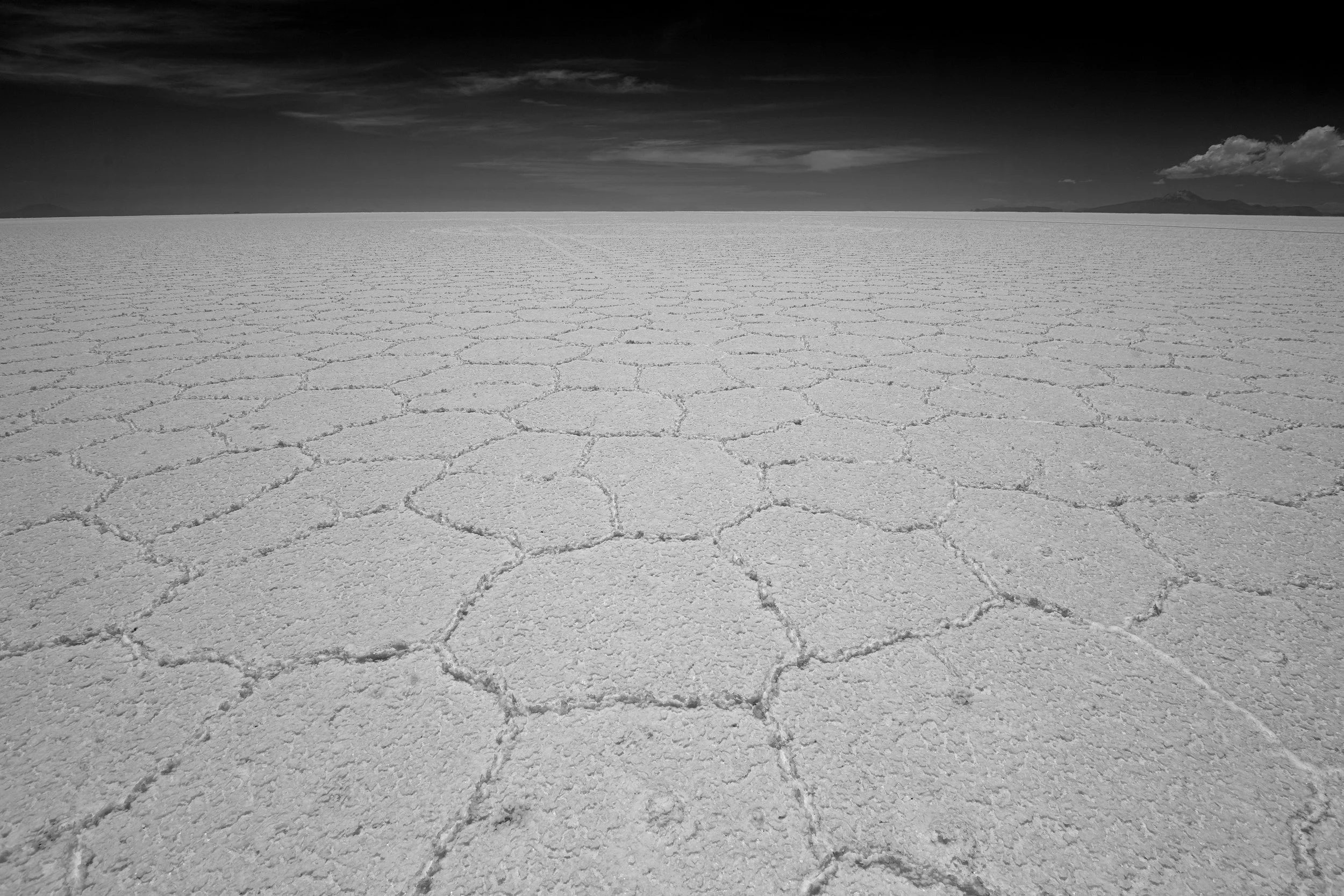
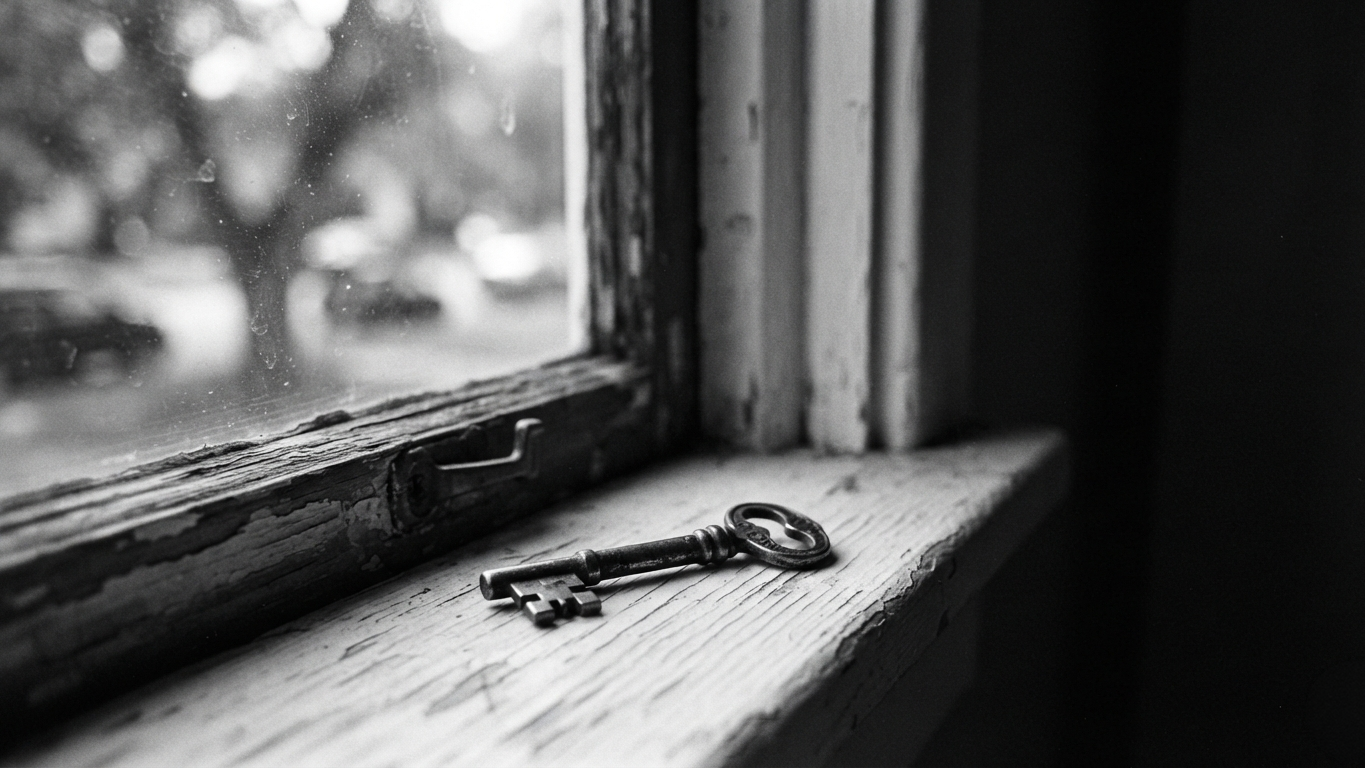
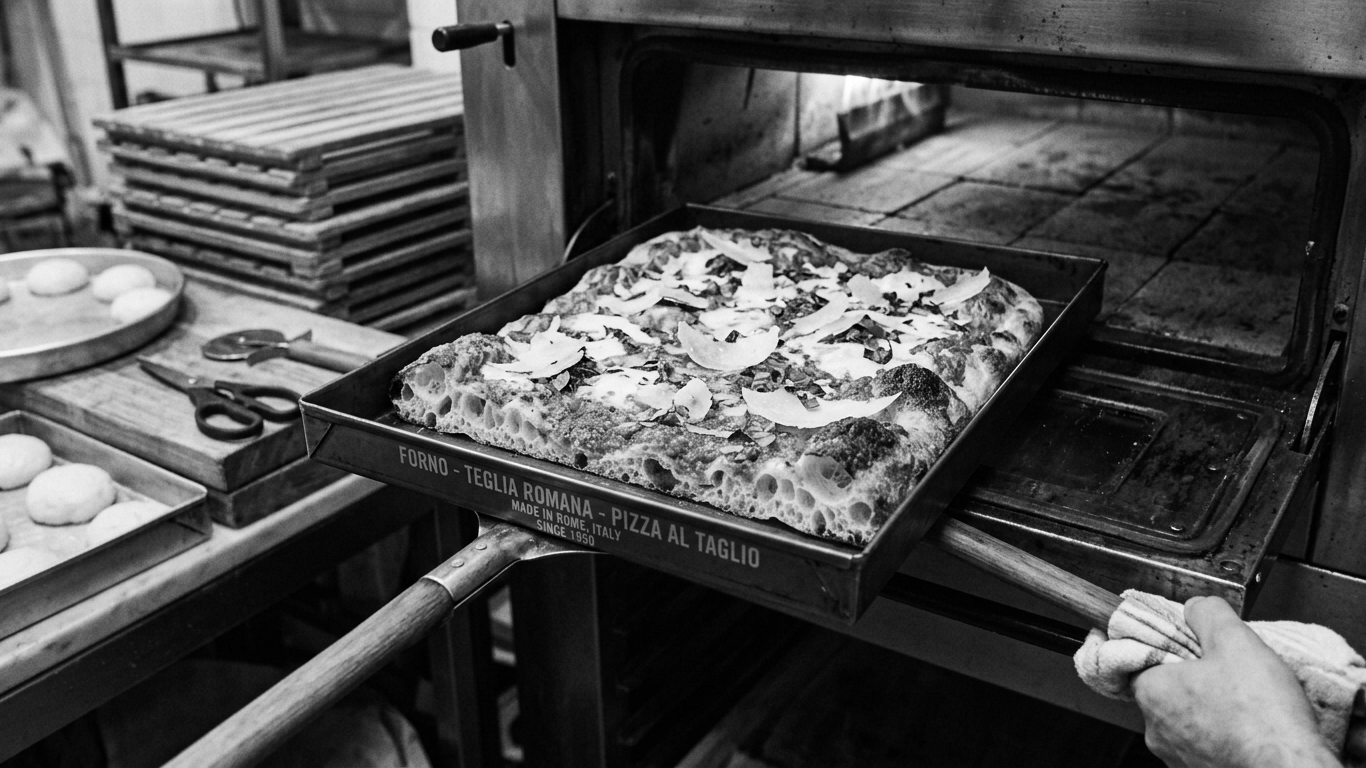
In black and white photography texture is one of the primary carriers of meaning and one of the most rewarding layers for close attention. Color photography gives you surface appeal quickly. Remove the color and what remains is form, light, and texture. The texture of a weathered surface tells you something about time. A worn edge speaks of use. A cracked wall carries history. These things are not just visually interesting. They are informative in a way that rewards the viewer who gets close enough to receive what they are giving.
Texture is a layer that punishes inattention and rewards it simultaneously. A viewer moving quickly through a feed will register that an image looks interesting. A viewer who stops and looks will find what the texture is actually saying. That gap between the quick impression and the sustained reward is where layers live.
Geometric Layers
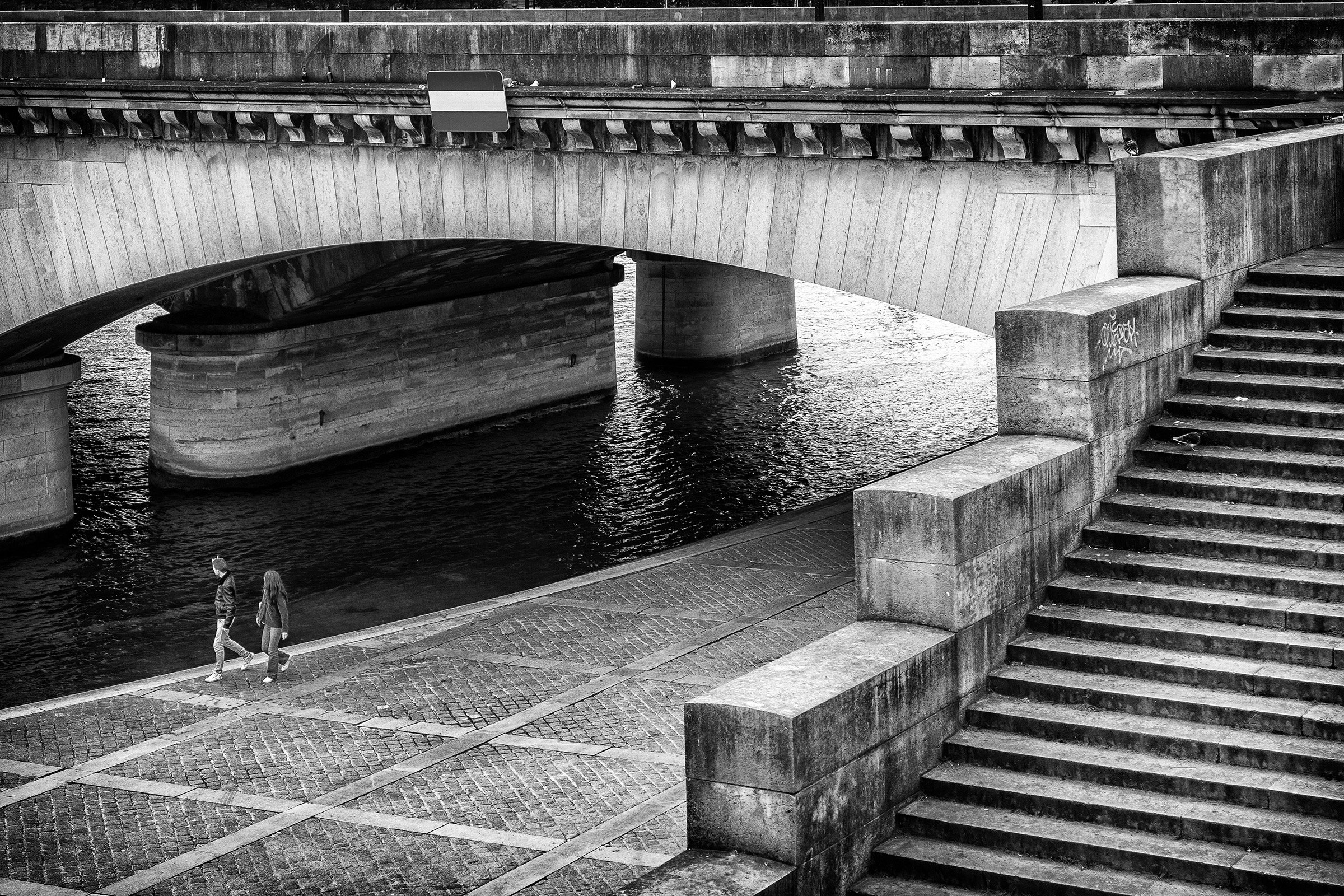
Photographs that have underlying geometric structures give the eye a secondary visual experience beneath the primary one. Lines that echo each other across the frame. Shapes that repeat at different scales. Shadows that mirror the forms casting them. Curves that rhyme with other curves in unexpected places.
You see the subject first. Then you see the geometry. Then you realize the geometry is part of what is making the subject feel the way it feels, that the formal structure of the image and its emotional content are working together rather than separately. This is a layer that operates almost subconsciously. The viewer may never consciously notice the geometry. But they feel its presence as a sense of rightness, of inevitability, of the image being exactly what it needed to be.
implied Layers
We have talked about this elsewhere but it belongs in any discussion of layers because it is perhaps the most universal. The photograph that implies a before and an after gives the viewer a narrative layer that the surface of the image cannot contain. You look at the image. You see what is there. And then you start wondering what is not there. What happened before this moment. What happens next. The story layer lives in the gap between what the photograph shows and what the viewer's imagination fills in.
This layer is inexhaustible because every viewer fills the gap differently. The photograph does not tell one story. It provides the conditions for many stories. That multiplicity is what keeps people returning to images that have it.
How to Create layers
Most layers are created before the shutter is pressed rather than after. They come from seeing the whole frame rather than just the primary subject. From noticing what the light is doing to everything in the scene not just the thing you are pointing at. From waiting for the relationship between elements to become interesting rather than shooting the moment the subject becomes interesting. From positioning yourself so that multiple things are in conversation with each other rather than just one thing filling the frame.
Post processing can reveal layers that were always there. Good editing can bring out texture that a flat conversion would have buried, or deepen shadows that contain something worth protecting. But the creation of layers is fundamentally a way of seeing rather than a way of editing. You have to see the conversation between foreground and background before you press the shutter. The geometry has to be in the frame before you can bring it out in post. The detail that reframes everything has to be there because you noticed it.
The practice is simply this. Before you press the shutter ask what else is in this frame. Not just the subject. What else. And then look. Really look. At every corner and every edge and every relationship between things. Sometimes there is nothing else worth finding and you make the photograph anyway because the subject is enough. But sometimes you find something. A shadow falling in a way you had not noticed. A figure in the background whose presence changes everything. A quality of light doing something in the far left of the frame that the subject in the center needs to be understood against.
That something is a layer. And a photograph with layers is a photograph worth looking at more than once.
The anxiety is not a sign of failure
The photographers who struggle most with the anxiety around originality are usually the ones who care most about their work. People who do not care about photography do not lie awake wondering whether their images are sufficiently original. The anxiety is evidence of seriousness not inadequacy.
But it is worth examining the belief underneath the anxiety because that belief is doing real damage. It is stopping photographers from making work, from sharing work, from developing frameworks and ideas and approaches that are genuinely theirs even if the raw materials are familiar. It is creating a standard that almost no photographer in history has actually met and then using that impossible standard to measure ordinary creative practice against.
Boden's insight is that the personally new is not a lesser version of the historically new. It is where all creative work begins. The photograph that is genuinely yours, made from your specific encounter with the world in a way that reflects your particular way of seeing, is a creative act regardless of how many photographs of similar subjects exist in the world.
Go make the work. It does not have to be new to the world. It has to be new to you. That is enough. That has always been enough.
Ready to see the world differently? The Monochrome Method is a complete video course with lessons and assignments designed to help you craft compelling black and white images and build a portfolio that's unmistakably yours. Start Learning Today.
IF YOU WOULD LIKE TO IMPROVE YOUR BLACK AND WHITE PHOTOGRAPHY TRY THE LESSONS BELOW.




A Beginners Guide To Black And White Photography