
The More You Practice the Luckier You Get
A golfer said it first. But photographers need to hear it more than anyone.
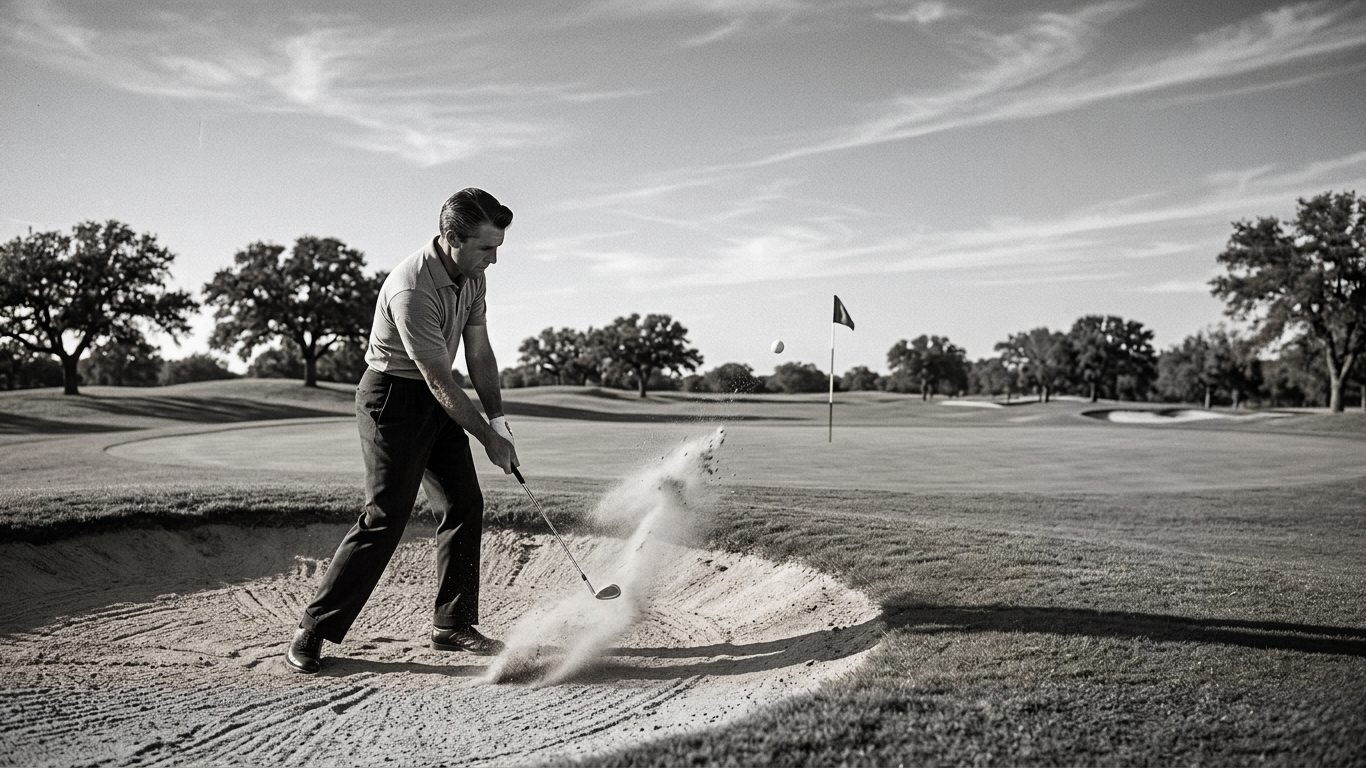
Some time in the late 1950s, Gary Player was practising bunker shots on a golf course in Texas when a spectator stopped to watch. Player holed the first shot. Then the second. Then the third. The spectator, peeling off bills to cover a bet, shook his head and said he had never seen anyone so lucky in his life.
Player's response became one of the most quoted lines in sport. The more I practise, the luckier I get.
It sounds like false modesty from a man who had just made three consecutive unlikely shots. It is actually one of the most precise descriptions of how skill develops that anyone has ever put into words. And it applies to photography more directly than it applies to golf.
What practice actually does
Most photographers think of practice as repetition. You go out and shoot a lot and gradually you get better at the technical aspects of the craft. Exposure becomes instinctive. Composition improves. You get faster at making decisions in the field. All of this is true and all of it matters.
But practice does something else that is harder to see and more important than any of it. It trains your perception. The more time you spend looking at the world through a camera the more the world reveals itself to you. Details that were invisible before become visible. Patterns emerge that you could not have noticed before you had enough experience to recognize them. The quality of light at a particular time of day that you once walked past without registering now stops you in your tracks because you have seen enough light to know when something is genuinely worth responding to.
This is what Player was describing. Not that practice made him technically better at hitting bunker shots, though it did. But that practice had trained his perception and his physical intelligence to such a degree that what looked to an observer like luck was actually the accumulated result of thousands of hours of deliberate attention. He was not lucky. He was prepared. And preparation, at a high enough level, is indistinguishable from luck to anyone who has not put in the same hours.
The decisive moment is not an accident
Cartier-Bresson's decisive moment is the most famous concept in street photography and also the most misunderstood. People hear it and think he was talking about being in the right place at the right time. About luck. About the universe delivering a perfect moment to a photographer who happened to be present.
That is not what he meant and it is not how it works.
The decisive moment is the product of preparation. Of knowing your camera so well that operating it requires no conscious thought. Of having walked enough streets to understand how people move through them, where interesting things tend to happen, how to position yourself to catch something before it fully forms. Of having looked at enough light to recognize the exact quality that will make an image sing rather than merely exist.
The photographers who consistently make great street photographs are not luckier than the ones who do not. They have practiced until their preparation is comprehensive enough to make luck largely irrelevant. They see the moment forming before it has formed. They are already in position before they consciously know why. They press the shutter at the right instant because their hands have been trained by ten thousand previous decisions to know when the right instant is.
That is not luck. That is what practice looks like from the outside.
What deliberate practice means for photographers
Not all practice is equal. Going out and shooting the same things in the same way over and over again will make you comfortable but it will not make you better. Deliberate practice means pushing against the edges of what you can currently do. Shooting in conditions that challenge you. Working with a constraint that forces you to solve a problem you have not solved before. Trying to make a photograph you do not yet know how to make.
It means studying the work of photographers who are better than you and asking specific questions about why their images work. Not admiring them generally but interrogating them specifically. Why did they stand here rather than there? Why did they wait? Why did they include this and exclude that? What did they see that someone less practiced would have walked past?
It means editing your own work honestly and asking the same questions about the images that failed. Why did this not work? What did I miss? What would I have had to know in advance to have made this better?
And it means doing all of this consistently. Not when you feel like it. Not when inspiration is present. Consistently. The way a golfer practises bunker shots not because they enjoy the bunker but because they understand that when the moment comes they will not be able to afford to think about it.
Practice and your next photographs
Here is the thing about practice that is genuinely motivating rather than merely disciplinary. The photographs you are capable of making right now are not the best photographs you will ever make. The images that feel slightly out of reach, the ones you can see in your mind but cannot yet fully execute, are not permanently beyond you. They are practice away.
The gap between the photographer you are and the photographer you want to be is not a talent gap. It is a practice gap. It closes the same way every gap of this kind closes. Not by waiting for luck but by showing up, putting in the hours, and trusting that what looks like luck to other people is simply what preparation looks like when it finally meets opportunity.
The more you practice, the luckier you get.
Gary Player was right. He just did not know he was talking about photography.
Ready to see the world differently? The Monochrome Method is a complete video course with lessons and assignments designed to help you craft compelling black and white images and build a portfolio that's unmistakably yours. Start Learning Today.
IF YOU WOULD LIKE TO IMPROVE YOUR BLACK AND WHITE PHOTOGRAPHY TRY THE LESSONS BELOW.







A Beginners Guide To Black And White Photography