
A Community That Shares Work It Doesn't Always Like and Why That Matters
We have opinions about photography. We also know they are just opinions. Here is why that distinction matters.
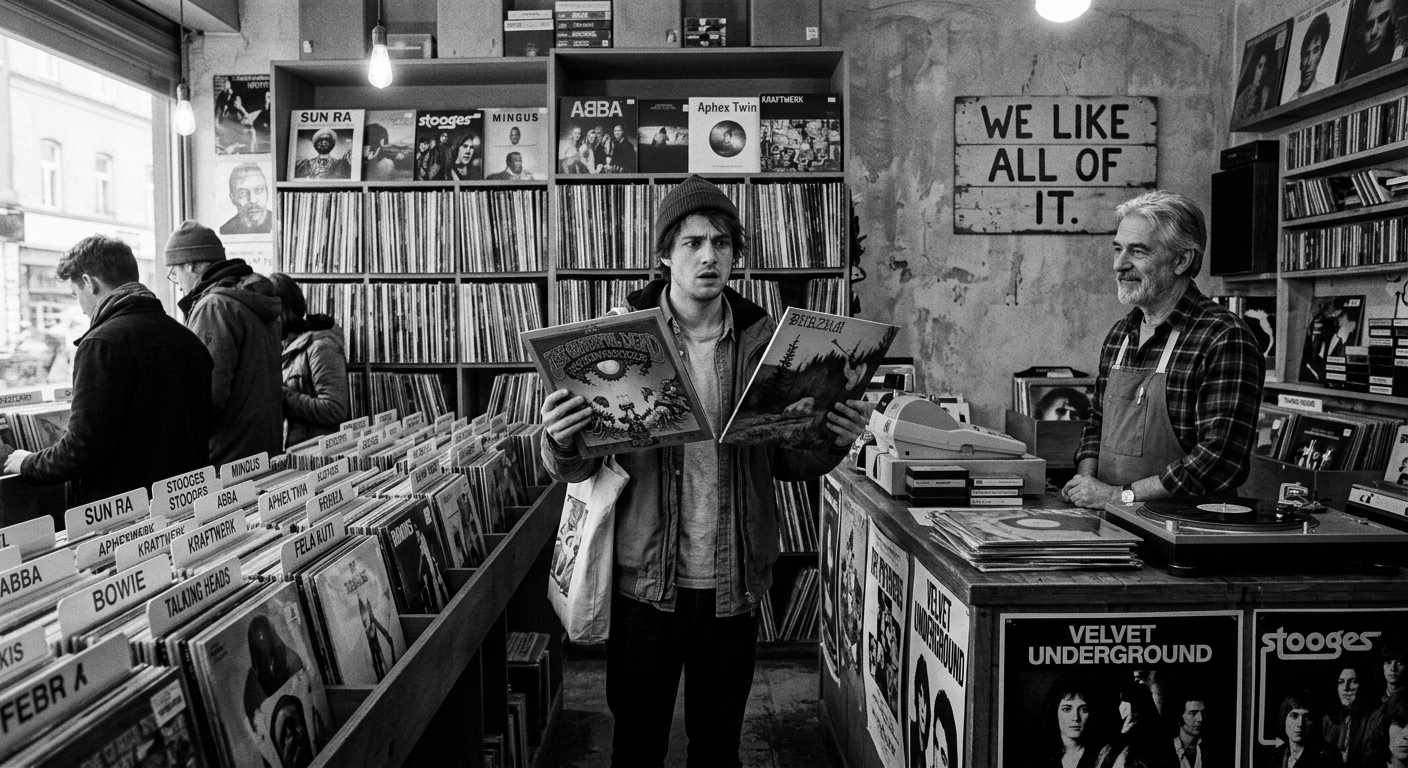
Think about the best record store you have ever been in. Not the biggest. Not the most commercial. The one run by people who genuinely loved music. The one where the selections in every section surprised you a little. Where you found things that had nothing obvious in common with each other except that someone who cared deeply about music had decided they belonged on the shelf. You trusted that store not because the people running it agreed with you about everything but because their love of music was wide enough and honest enough to include things that fell outside their own taste.
That is the kind of space the Collective is trying to be for photography.
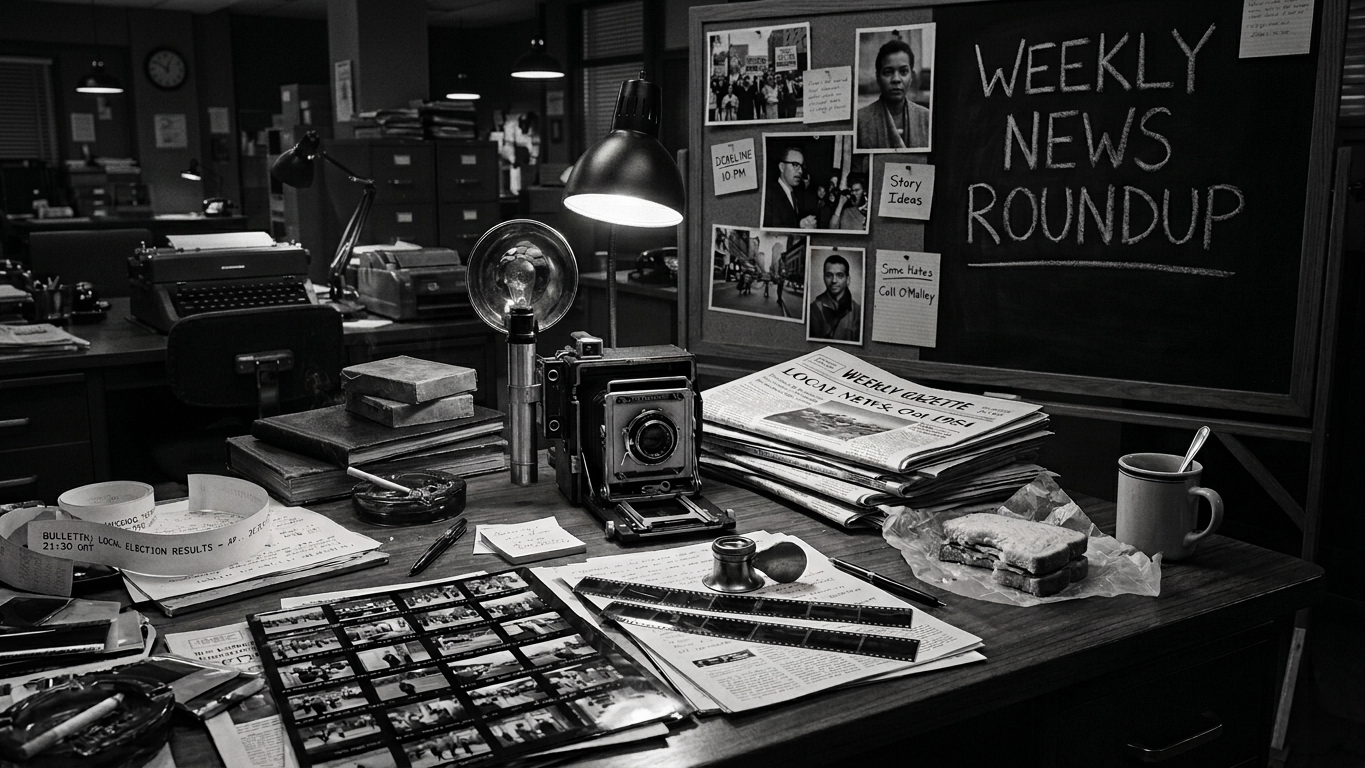
We share a lot of work here. Photographer spotlights. Photo stories. Weekly roundups. Featured images from the community. And we will tell you honestly that not all of it is to our personal taste. Some of the work we share does not match our aesthetic. Some of it uses approaches we would not choose ourselves. Some of it makes decisions we would make differently. We share it anyway and we do that deliberately.
Why we publish tips and why that does not make us judges
We write about composition and light and mid tone contrast and editorial thinking and layers and all the other things that make up the technical and creative development of a photographer. Those posts suggest that some ways of seeing and making are more developed than others. That is honest and hopefully helpful.
But there is a distinction worth being clear about. Craft can be developed and discussed and improved. Vision cannot be ranked. The technical skills that allow a photographer to execute what they see more precisely are learnable and teachable. What a photographer chooses to see, what they find worth looking at, what moves them and why, that is entirely personal and sits outside any ranking system we could apply even if we wanted to.
A technically simple image made from a genuine and personal vision is not inferior to a technically sophisticated image. They are doing different things. They are serving different needs. They are expressions of different people looking at the world in different ways. Both have value. Neither requires the other's approval.
We can help you develop your craft. We cannot tell you what your vision should be. And we wouldn’t want to.
The gear identity problem applied to aesthetics
Most photography communities develop an implicit aesthetic standard over time without ever intending to. The images that get featured, the work that gets praised, the photographers who get spotlighted, all of it sends a signal about what good photography looks like within that space. The signal is rarely stated explicitly. It does not need to be. Photographers are perceptive people and they read the room quickly.
Once that standard is established something starts to happen. The photographers whose work fits the prevailing aesthetic feel at home. The photographers whose work does not start to feel like they do not belong. They begin editing their output toward what they sense will be well received rather than what they genuinely want to make. The risk taking slows down. The experimental work stays on the hard drive. The community starts to look increasingly like itself.
We do not want to be that community. Not because we do not have taste but because we know our taste is ours and not everyone else's.
What a non judgmental community actually produces
Here is the practical argument for why this matters beyond the philosophical one. Communities that make photographers feel judged produce less interesting work over time. When the social cost of making something that does not fit is too high people stop making things that do not fit. The work becomes safer. More predictable. More oriented toward approval than toward genuine exploration.
Communities where photographers feel genuinely free to share work that does not fit any obvious category, work that is experimental or personal or technically unconventional or simply different from what everyone else is making, produce more interesting work. Not because standards have been abandoned but because the photographers in them feel free to take the risks that produce the work worth looking at.
The photographer who shares something they are uncertain about because they trust the community not to reduce it to a verdict is doing something brave. That bravery is worth protecting.
What this means for you specifically
If you have been hesitating to share your work because you are not sure it meets some standard you think the Collective has, this post is directly for you.
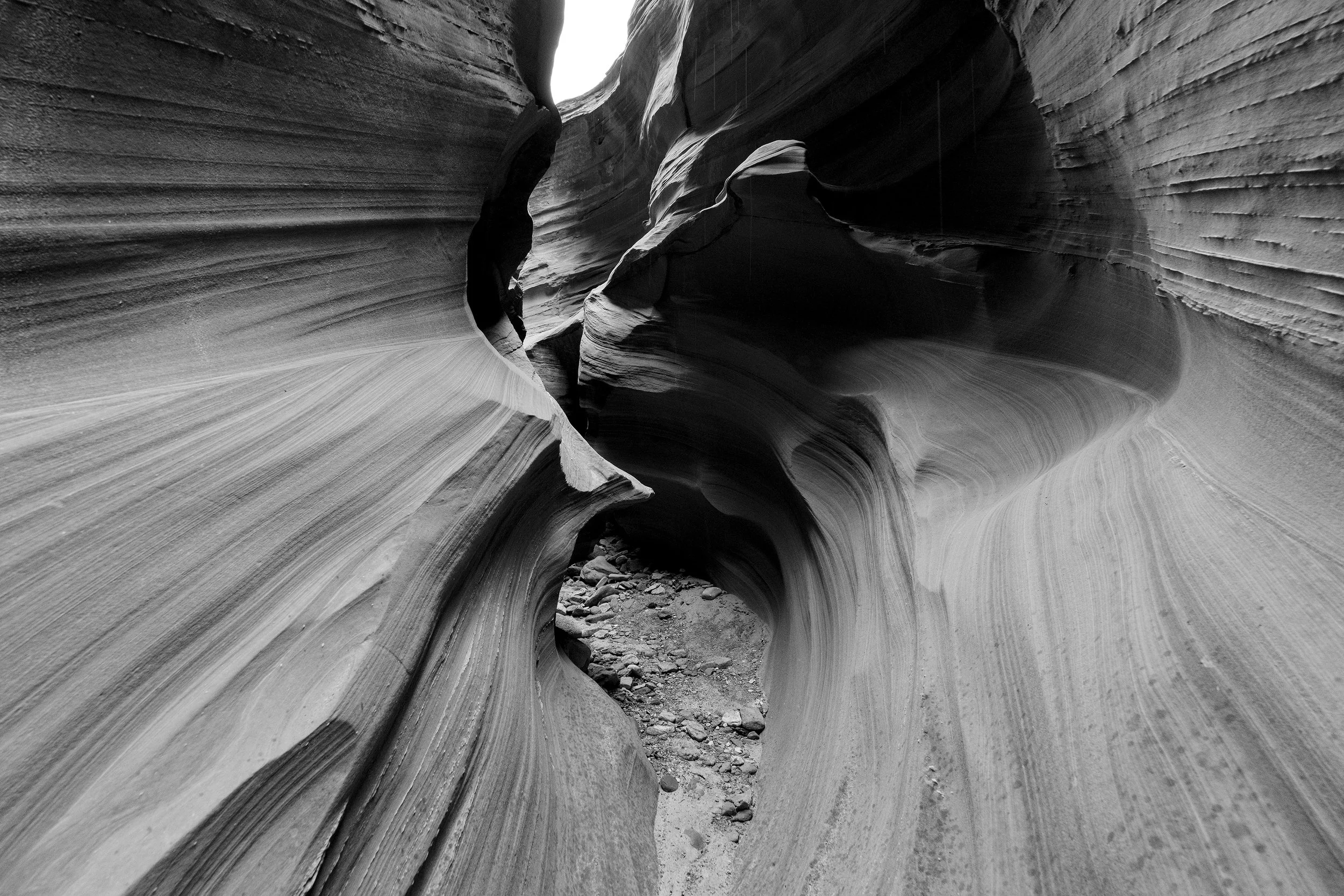
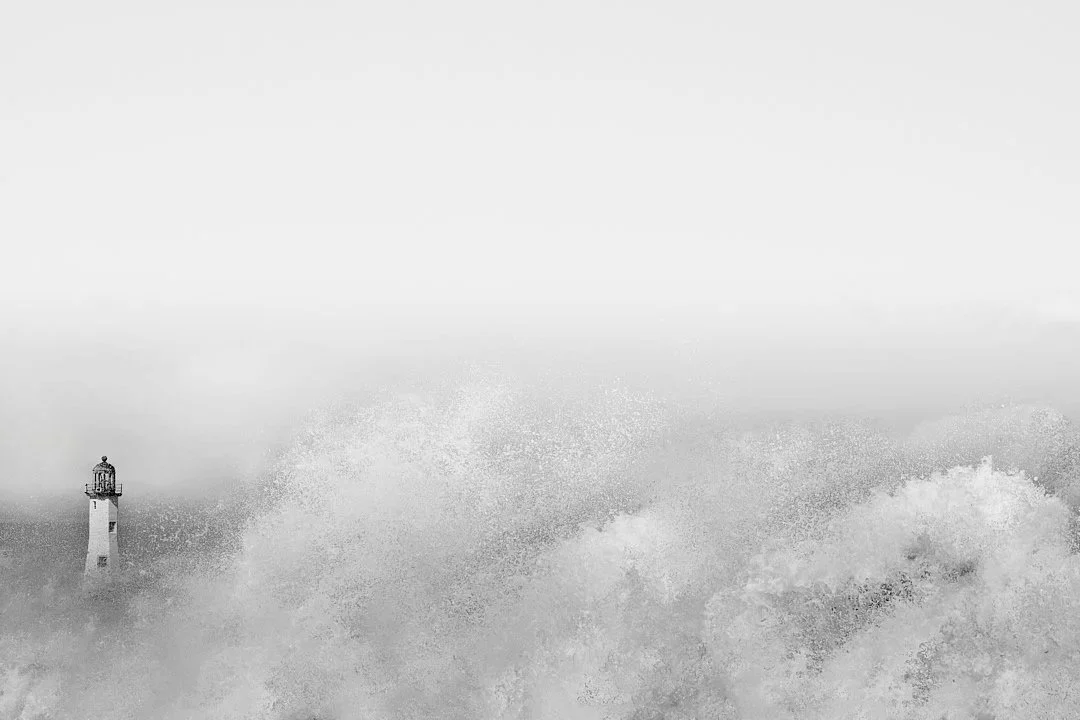
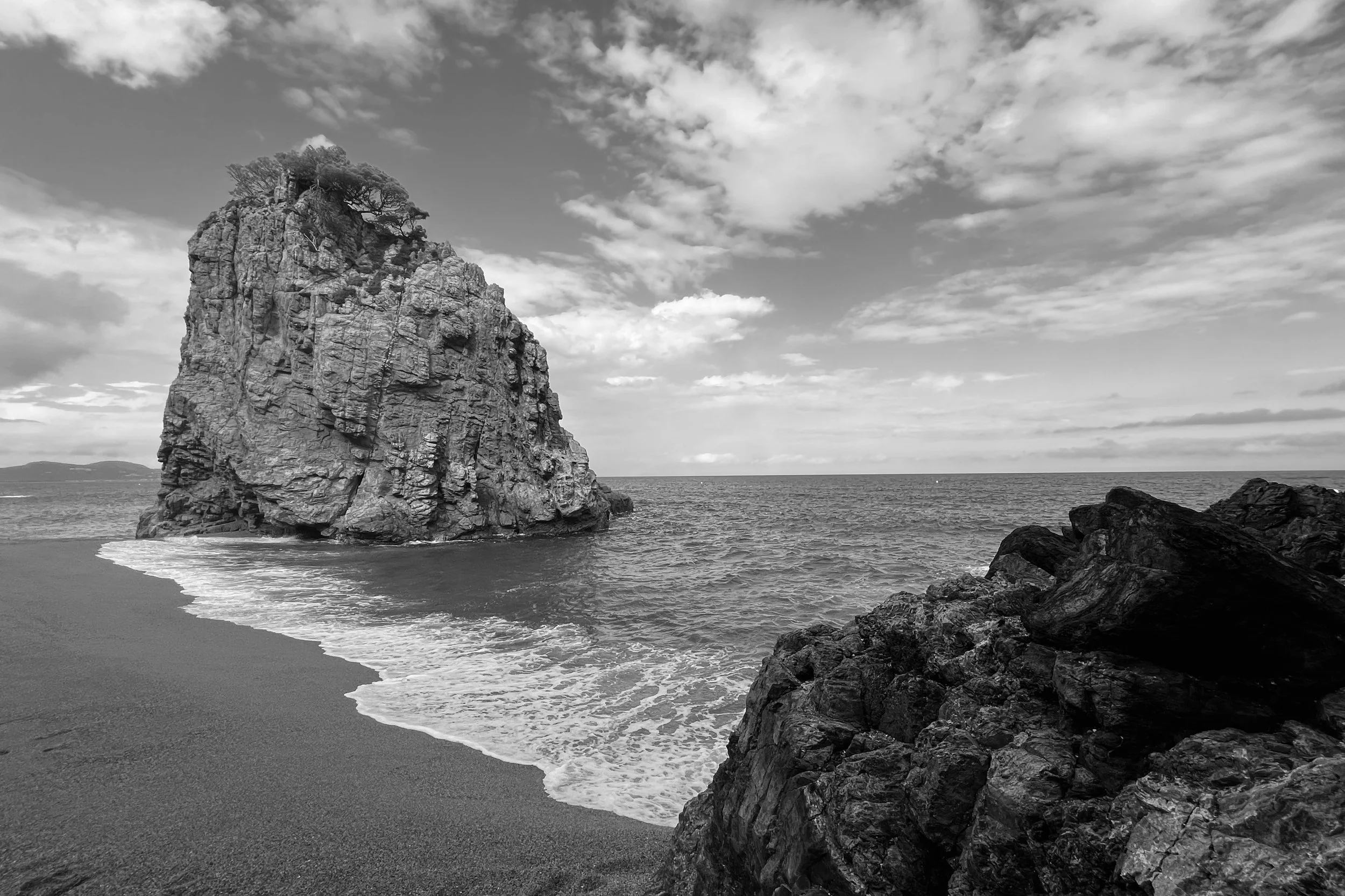
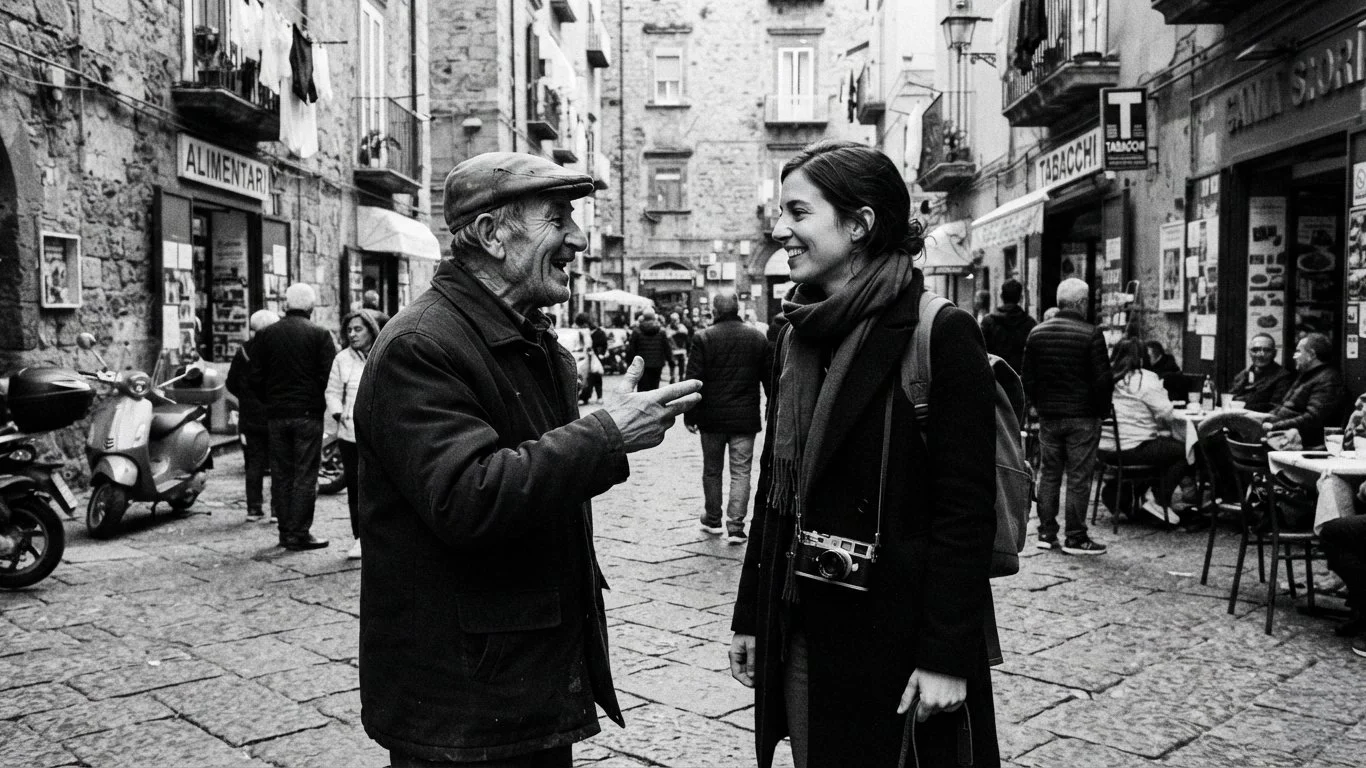
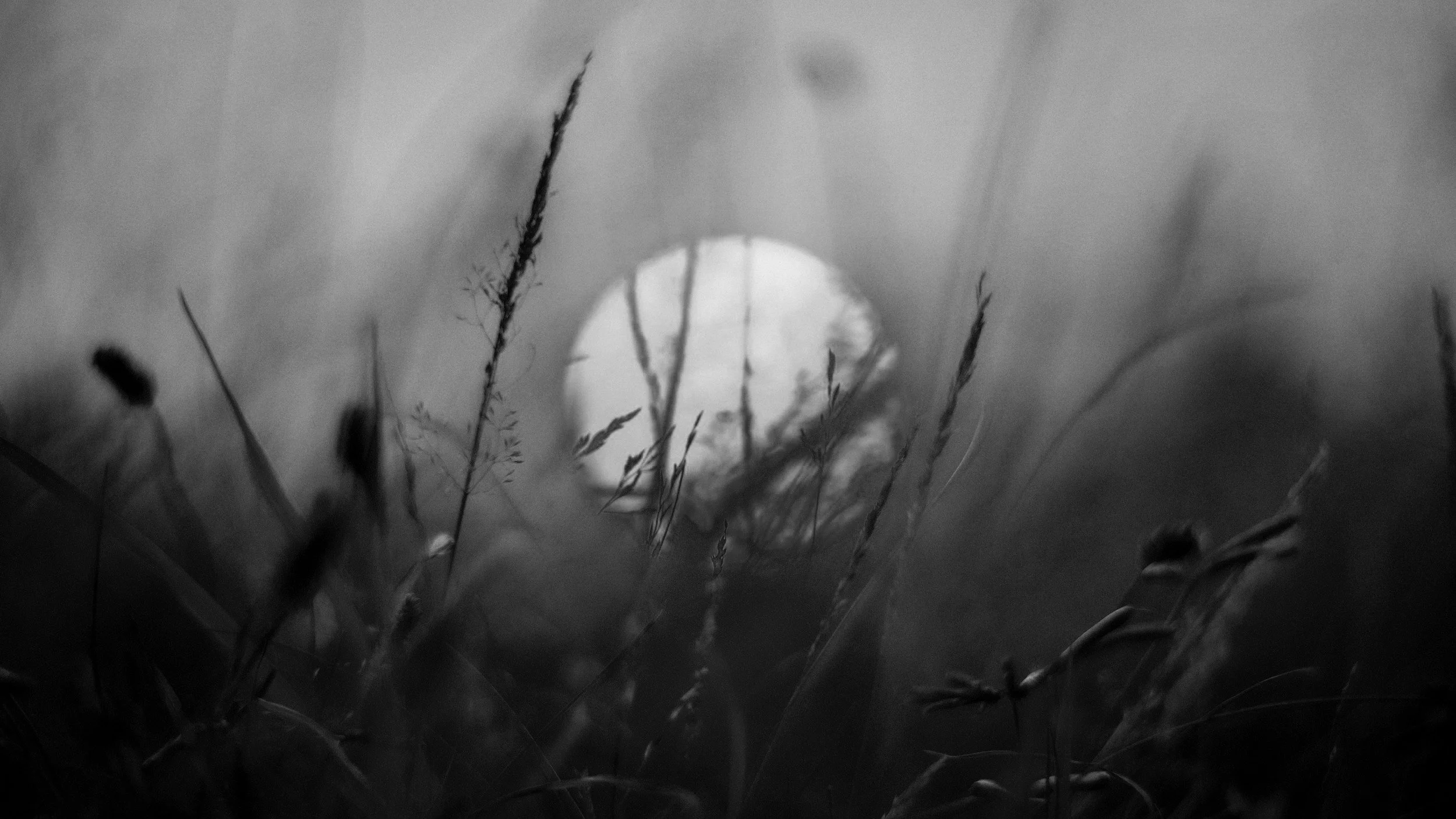
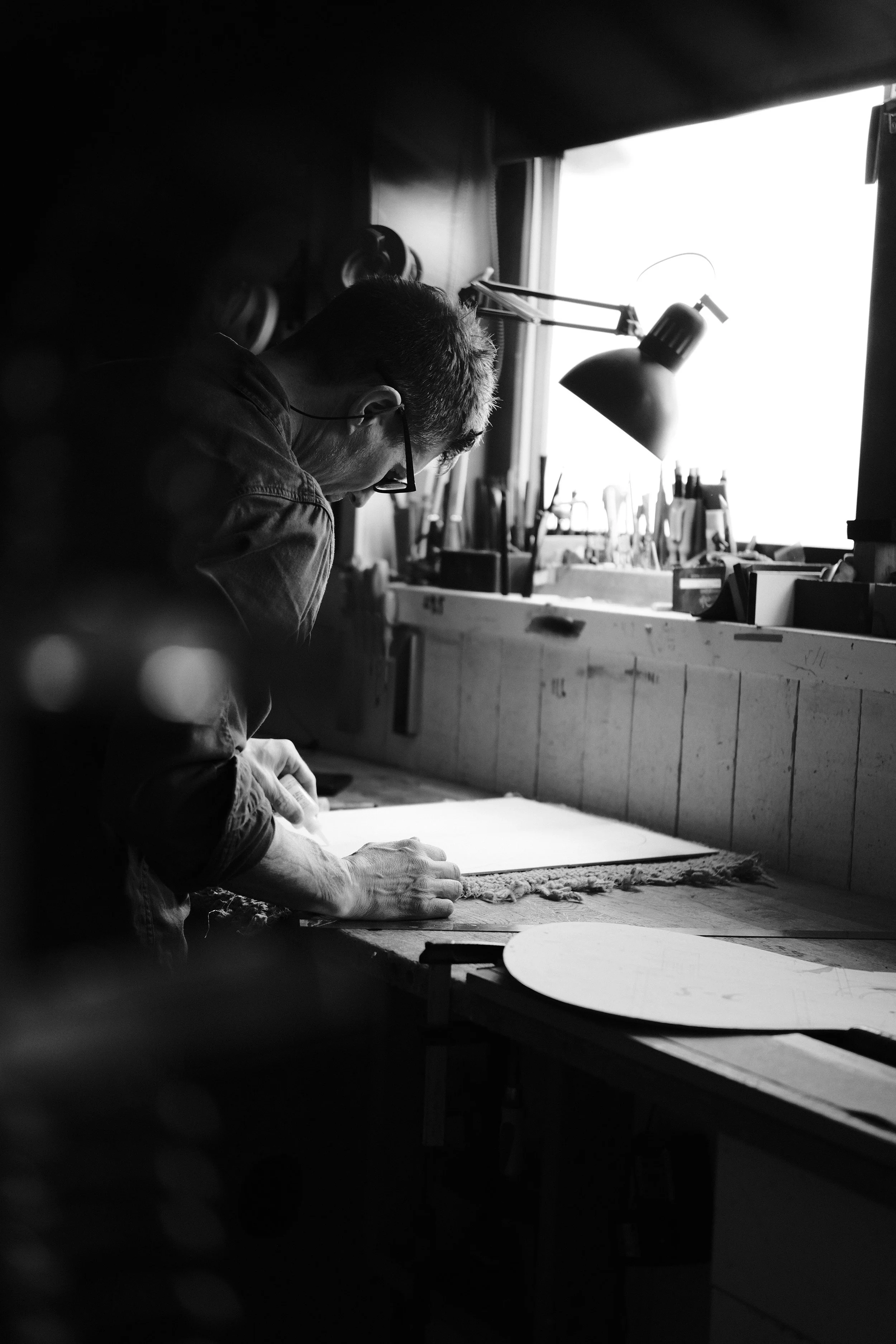
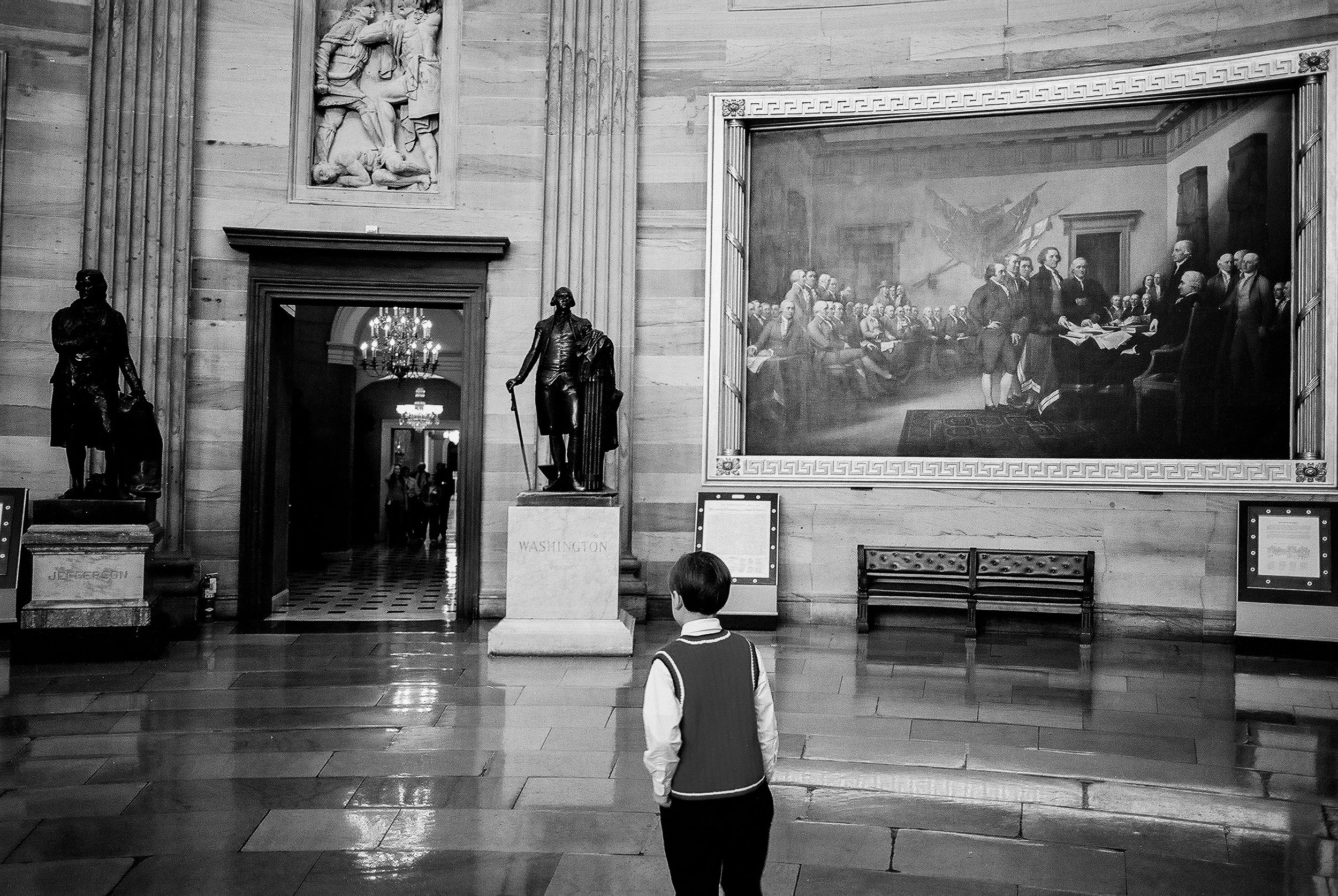
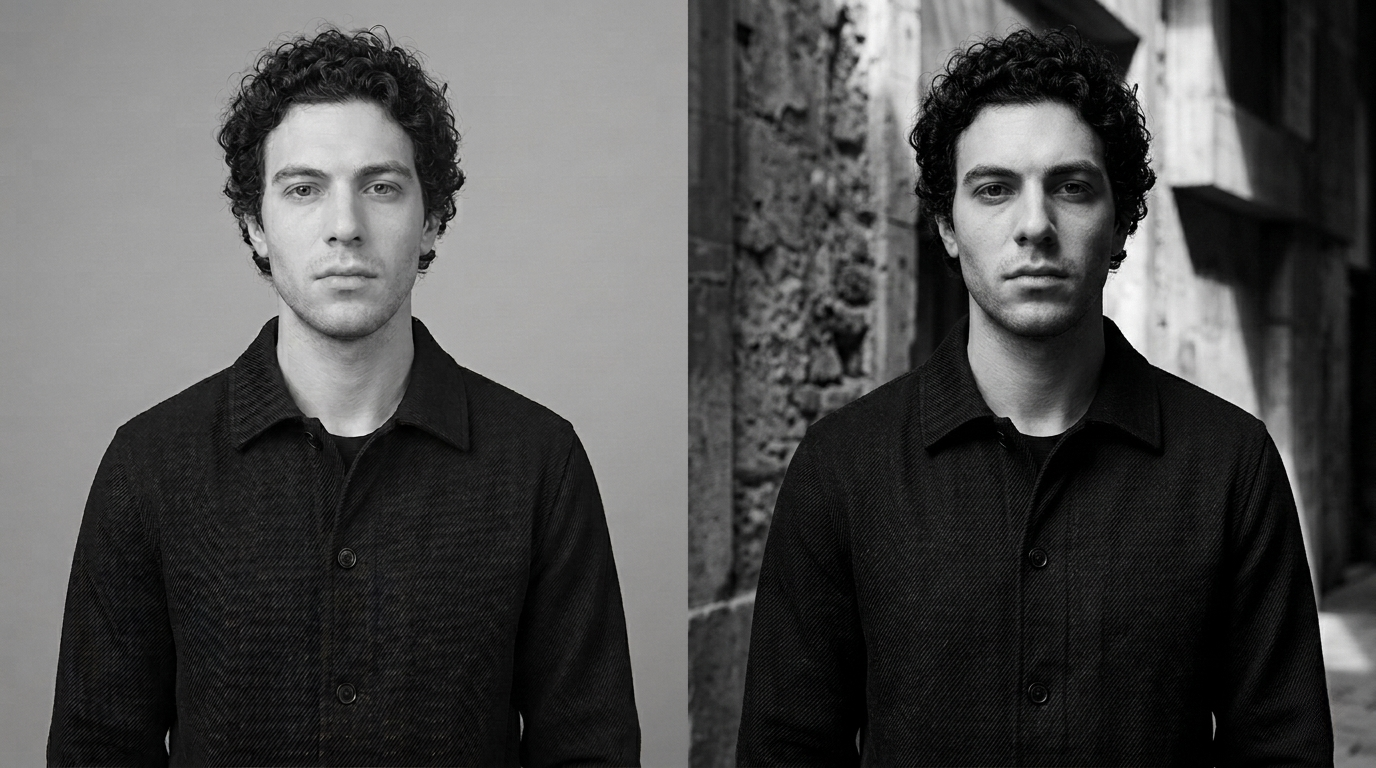
Other than monochrome we do not have a specific aesthetic. We have a deep and genuine love of black and white photography in all its forms and expressions. Gritty street photography and quiet contemplative landscapes. Tight documentary portraits and abstract architectural studies. Long exposure experiments and sharp decisive moments. Work made on film and work made on the latest digital sensor. All of it belongs here if it was made with genuine intent by someone who cares about what they are making.
Your vision is not wrong because it is different from ours. It is yours. That is not a consolation. That is the whole point.
Ready to see the world differently? The Monochrome Method is a complete video course with lessons and assignments designed to help you craft compelling black and white images and build a portfolio that's unmistakably yours. Start Learning Today.
IF YOU WOULD LIKE TO IMPROVE YOUR BLACK AND WHITE PHOTOGRAPHY TRY THE LESSONS BELOW.





A Beginners Guide To Black And White Photography