
A Photo Story: Built on Ashes
A town growing. A history buried beneath it. A photographer who found himself in both.
Oxford, Mississippi is a small college town with a complicated history and an appetite for reinvention. Over the past decade it has been growing fast, tearing down the old and building over it, revising itself in ways that are obvious to anyone paying attention. Dason Pettit was paying attention.
What began as a series of photowalks through a changing community became something much longer and much more personal. Built on Ashes is the result of years of looking, returning, editing, and looking again. It is a project about a place. It is also a project about memory, revision, and what it means to recognize yourself in the world around you.
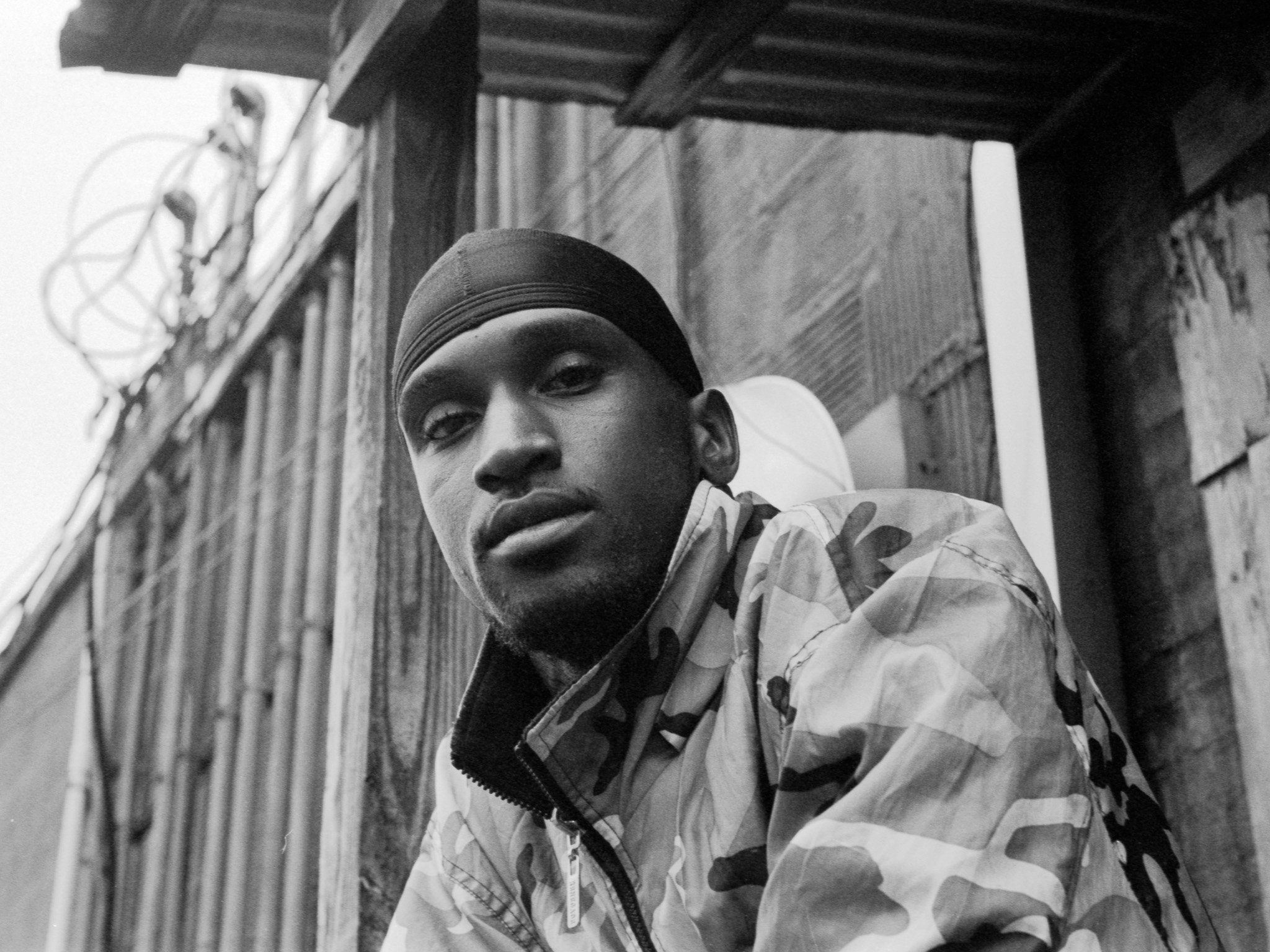
A Town in the Middle of Becoming Something Else
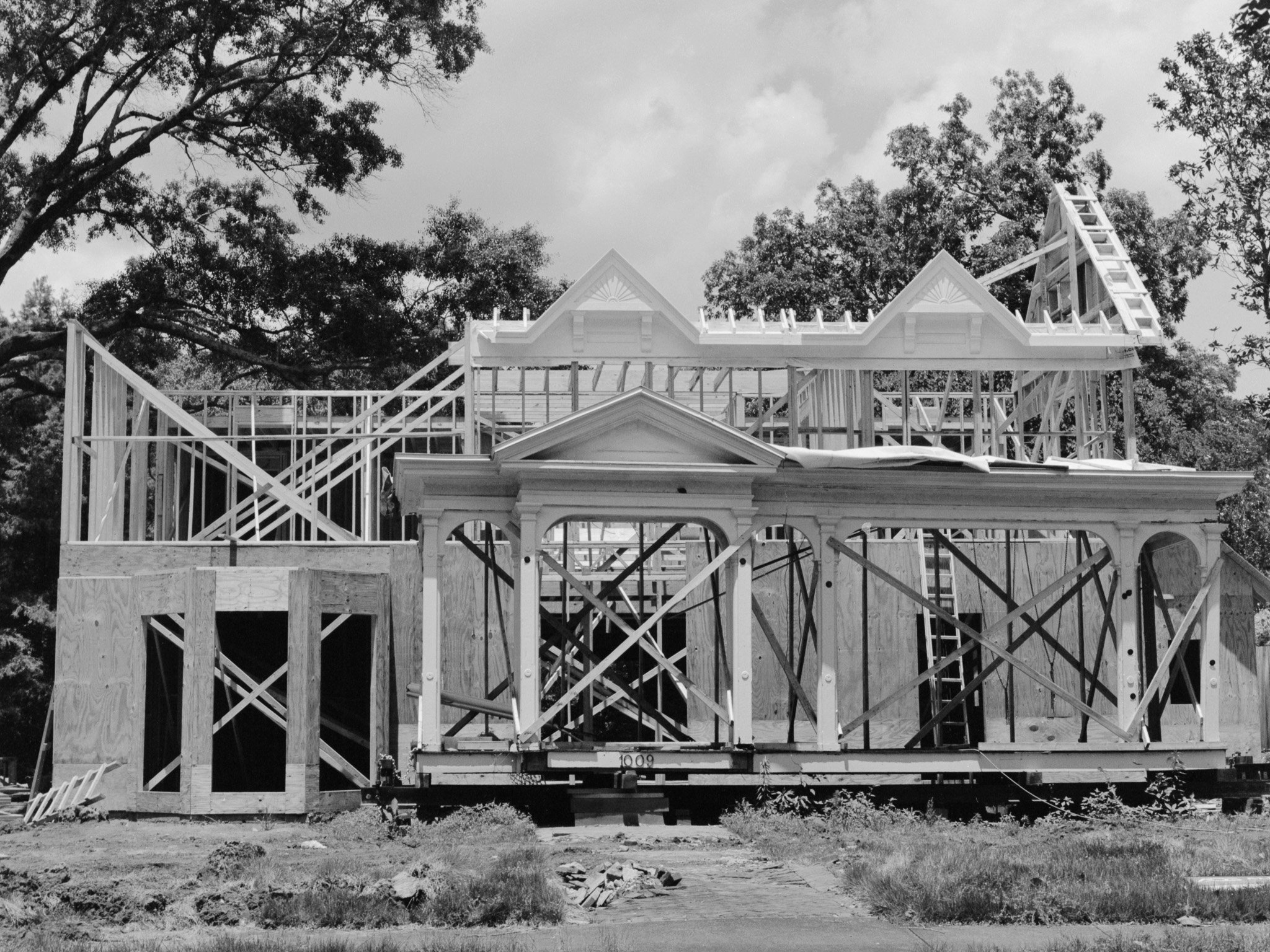
Pettit describes the beginning of the project simply. He was walking. He was noticing. The visual changes in Oxford were hard to miss, buildings coming down, new ones going up, the texture of the town shifting under the pressure of growth. He started photographing the deconstruction and revision. And then, over time, something else came into focus.
"I realized that I was also chronicling the revisions that people go through during their lives," he says. "By the end of the project, I realized that I was drawn to the subjects that I was photographing because I recognized pieces of myself in them."
A Story Built on a Story
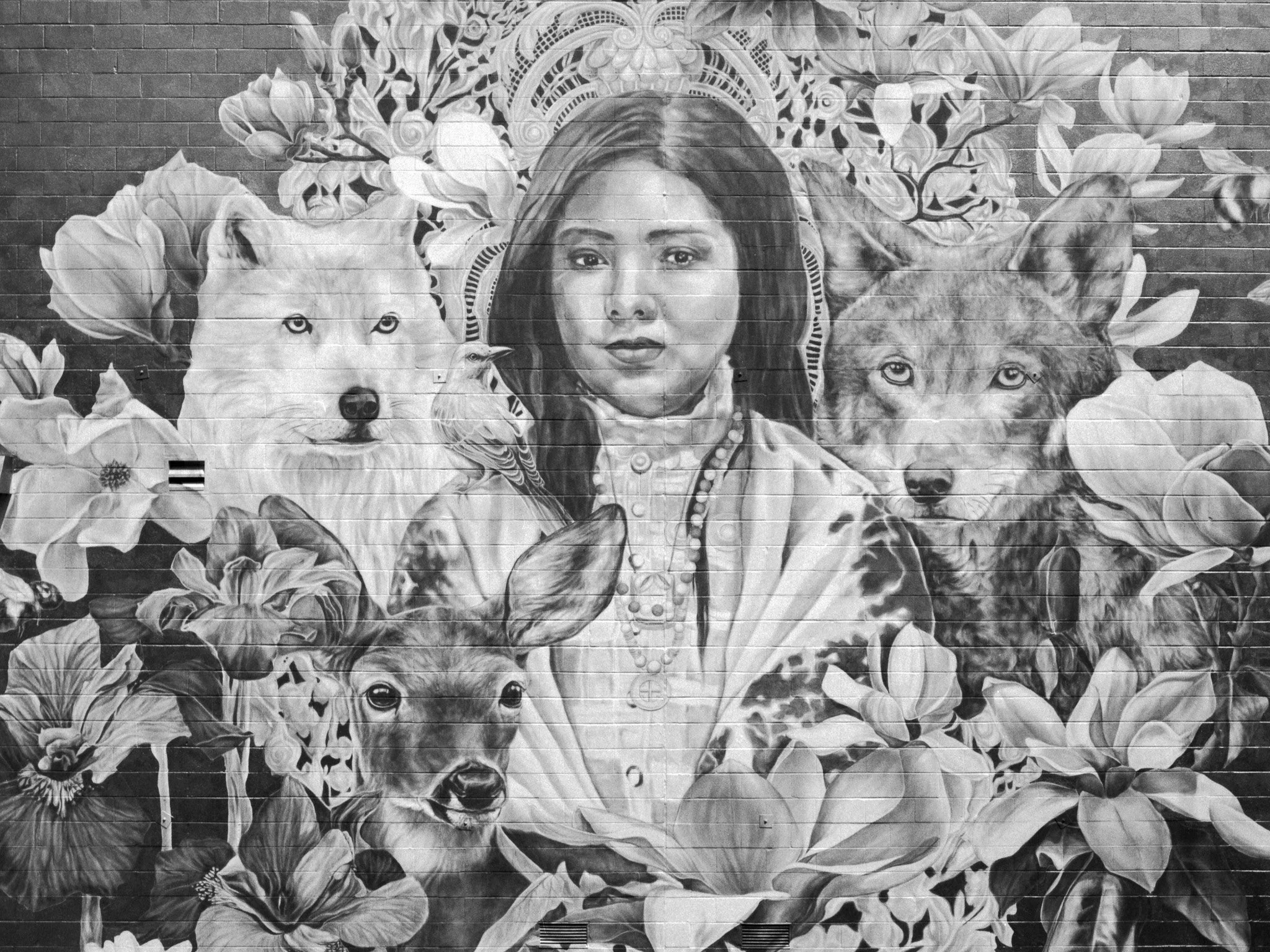
The title comes from a single image in the series. Princess Hoka was a Native American woman credited with selling the land that Oxford now sits on, the founding act of the town's formation. Historians believe she never actually visited Oxford at all. The story evolved over time, as stories do, until what remained was more myth than fact. Pettit was drawn to that gap between what is real and what is perceived, between the story a place tells about itself and the truth buried beneath it.
"Stories mutate over time," he says. "This concept is something I explore in my photographic work. The notion of what is real and what is perception."
The series works on two levels simultaneously. On the surface it is a documentary record of a community in transition, businesses adapting, people going about their lives, the physical landscape of Oxford shifting around them. Beneath that surface it is something more subjective, a photographer using a place as a mirror, finding in its history and its growth a reflection of his own.

The Personal History Underneath
Oxford is close to where Pettit grew up, in the Mississippi Delta. The roots of the place connected to his own roots in ways that were not always comfortable. "Much of which was traumatic," he says, plainly. "I think I tend to carry some of that trauma with me and over time I saw that what I was drawn to as a photographer had to do with what I had experienced in my past. Place became a mirror for reconciling my own recollections."
This is what separates Built on Ashes from straightforward documentary work. Pettit is working in what he describes as the post-documentary sphere, observing the world like a documentarian but interpreting it through his own subjective lens. The photographs are grounded in specific places and real people, but they are also deeply personal, shaped by memory and feeling as much as by fact.
Why Black and White
The choice to shoot in black and white was deliberate and considered. "I wanted the images to transcend the use of color and live in a type of timeless space," Pettit says. "Monochrome is, for me, a way to be more specific in my visual communication with the viewer. I am able to strip a scene down to its bare bones, its essence."
He goes further. Removing color changed not just how he processed the images but how he approached the act of photographing them. "If I understand that color is not important, I make photographs in a different way. It allows for a different type of versatility and necessity. Color can do incredible things, but when you photograph without it, you really must make the most of those essential components. Light, composition, decisive moment."
The Photographs That Were Hard to Get
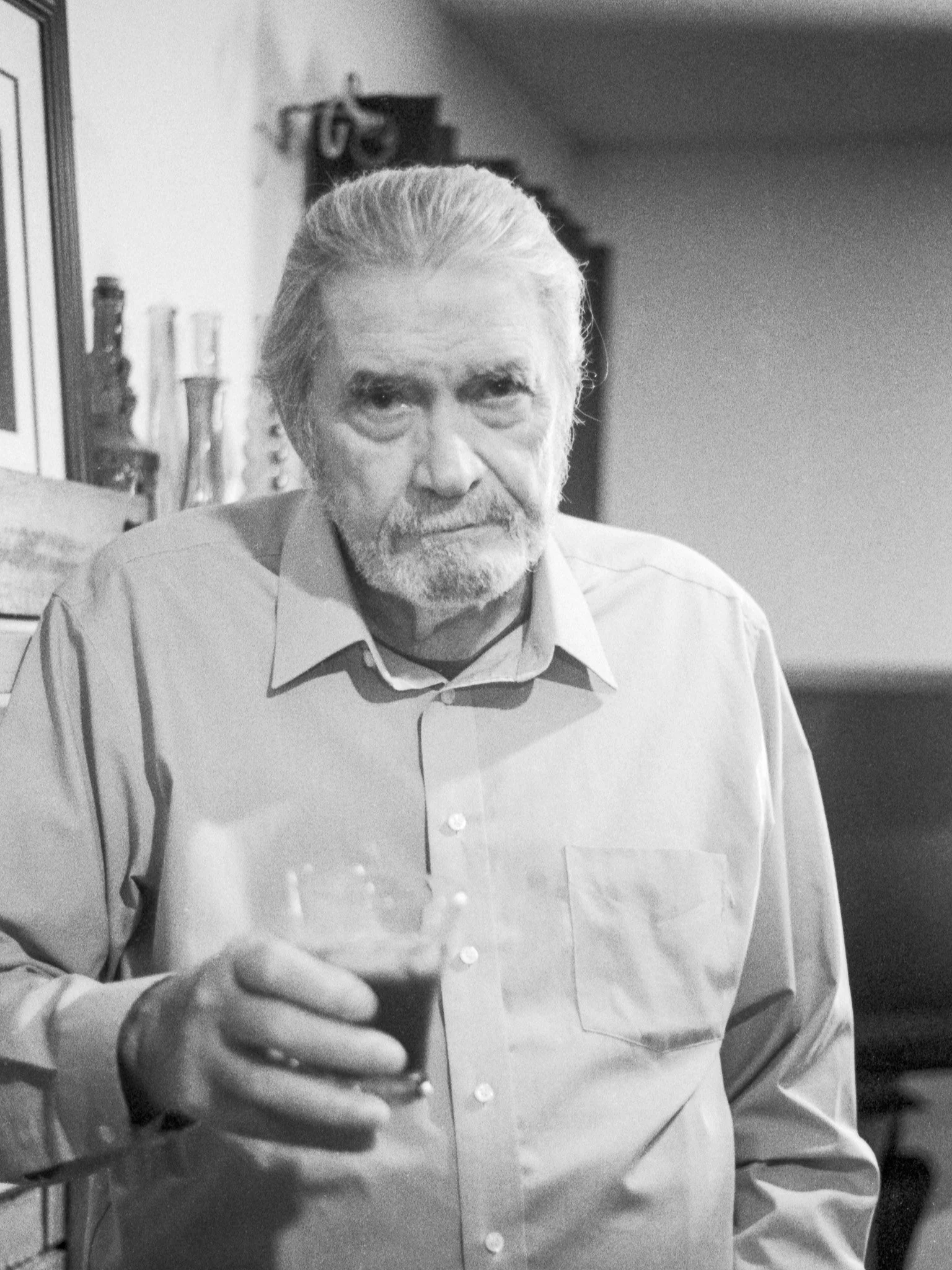
Not every photograph in the series came easily. One image in particular, Aged Wine, a portrait of the actor Johnny McPhail, required reaching out, arranging a meeting, and entering someone's home with a camera. Pettit describes this as one of the more challenging situations a photographer can face.
"I have to evaluate so much so quickly and take those photos over a relatively short period of time," he says. "There are other photos that were challenging because I had to spend time with people and get to know them before I felt like I could ask for their photograph."
That patience is visible throughout the work. The image titles alone tell you something about how Pettit thinks. The Fugue of Memory. Skeletons in the Closet. What the Old Oak Saw. The Weight. You'll Never Know my Name. These are not neutral descriptions. They are interpretations, evidence of a photographer who is always asking what a photograph means rather than simply what it shows.
Finding the Ending
The project is nearly finished. Pettit talks about the difficulty of finding an ending to long form work, and the importance of being willing to re-examine what you have made over time.
"I found that I revisited and re-sequenced the work quite a bit over the course of making it," he says. "This let me explore new conceptual and thematic pathways that might not have initially occurred to me. It is difficult to find an ending to a work, but you can sense it when it is coming and this one is nearly there."
Built on Ashes is the kind of project that reminds you what photography is capable of when a photographer commits to a subject long enough to find out what they are really looking for. It started as a record of a town. It became something that could only have been made by this particular person, carrying this particular history, looking at this particular place with eyes shaped by everything that came before.
That is not a small thing.
You can check out more of Dasons work on foto @dason or on his website www.dasonpettit.com
Dason Pettit is a photographer based in Mississippi. His work occupies the space between documentary and fine art, observing the world with a documentarian's eye while interpreting what he sees through his own subjective lens. Built on Ashes is one of several long term projects he has developed over the past decade. You can see more of his work at dasonpettit.com.
Ready to see the world differently? The Monochrome Method is a complete video course with lessons and assignments designed to help you craft compelling black and white images and build a portfolio that's unmistakably yours. Start Learning Today.
IF YOU WOULD LIKE TO IMPROVE YOUR BLACK AND WHITE PHOTOGRAPHY TRY THE LESSONS BELOW.









A Beginners Guide To Black And White Photography