
The Most Interesting Photographs Are Made by The Most Interested Photographers
Dale Carnegie said it about people. It turns out it applies just as well to photographs.
In 1936 Dale Carnegie published How to Win Friends and Influence People, a book that has sold more copies than almost any other non-fiction title ever written. One of its central ideas has been quoted and paraphrased ever since. The original line was simple. To be interesting, be interested.
Carnegie was talking about conversations and relationships. The people we find most compelling, he argued, are rarely the ones who talk the most about themselves. They are the ones who ask the best questions. Who listen. Who are genuinely curious about the person in front of them. That quality of interest, he suggested, is what makes someone truly interesting to be around.
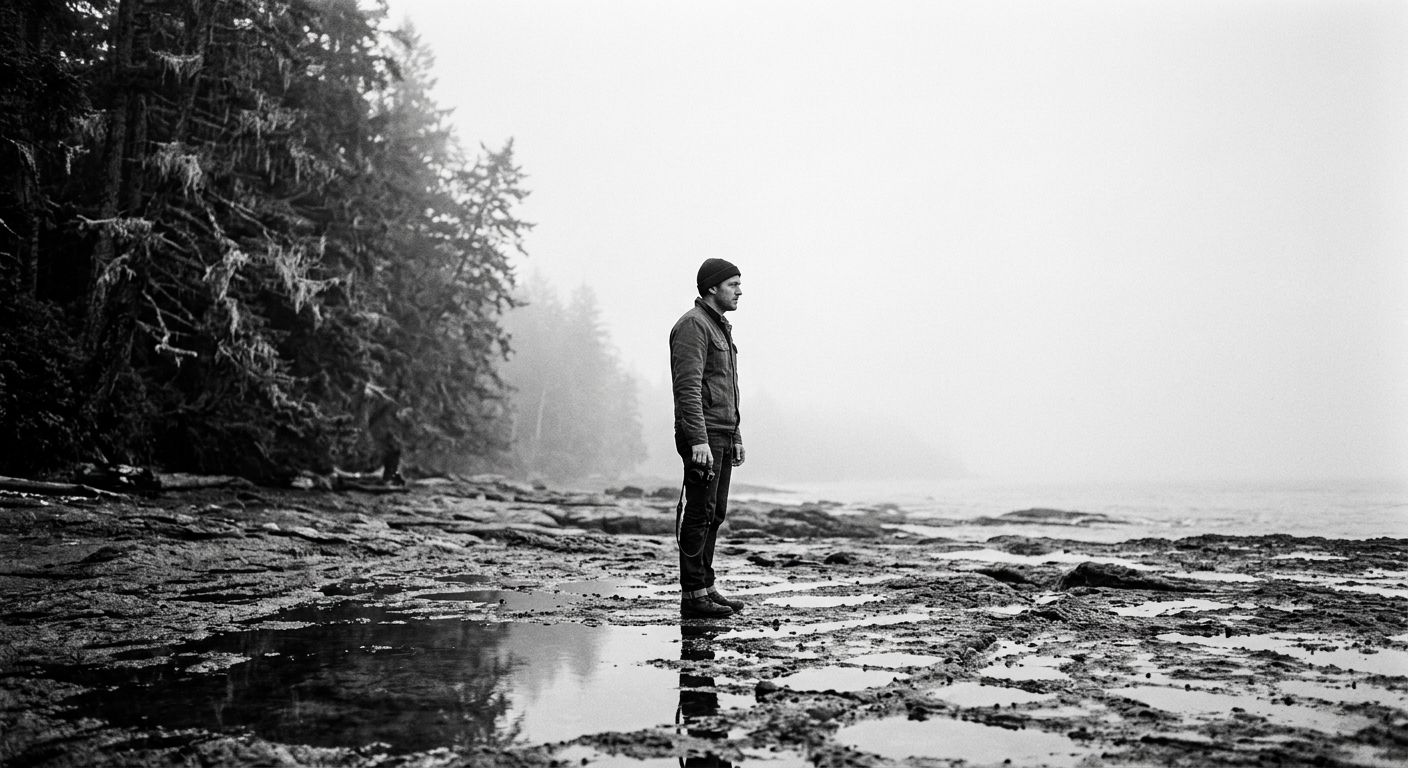
Photography works the same way
Think about the photographs that have stayed with you. The ones that made you stop scrolling or lean closer to the page. The ones you remember long after you have forgotten the circumstances under which you saw them. Almost none of them are interesting because of technical virtuosity. They are interesting because you can feel, somewhere in the image, that the person who made it was genuinely curious about what they were looking at. That they cared about the subject. That they were paying attention in a way that went beyond pointing a camera and pressing a button.
“Curiosity is the engine of great photography and we do not talk about it nearly enough”
We spend enormous amounts of time discussing equipment, technique, composition rules, editing workflows, and camera settings. All of those things matter. But none of them produce interesting photographs on their own. What produces interesting photographs is a photographer who is genuinely interested in the world. In people. In light. In the way things look at a particular moment in a particular place. In the story that might be hiding inside an ordinary scene if you look at it long enough.
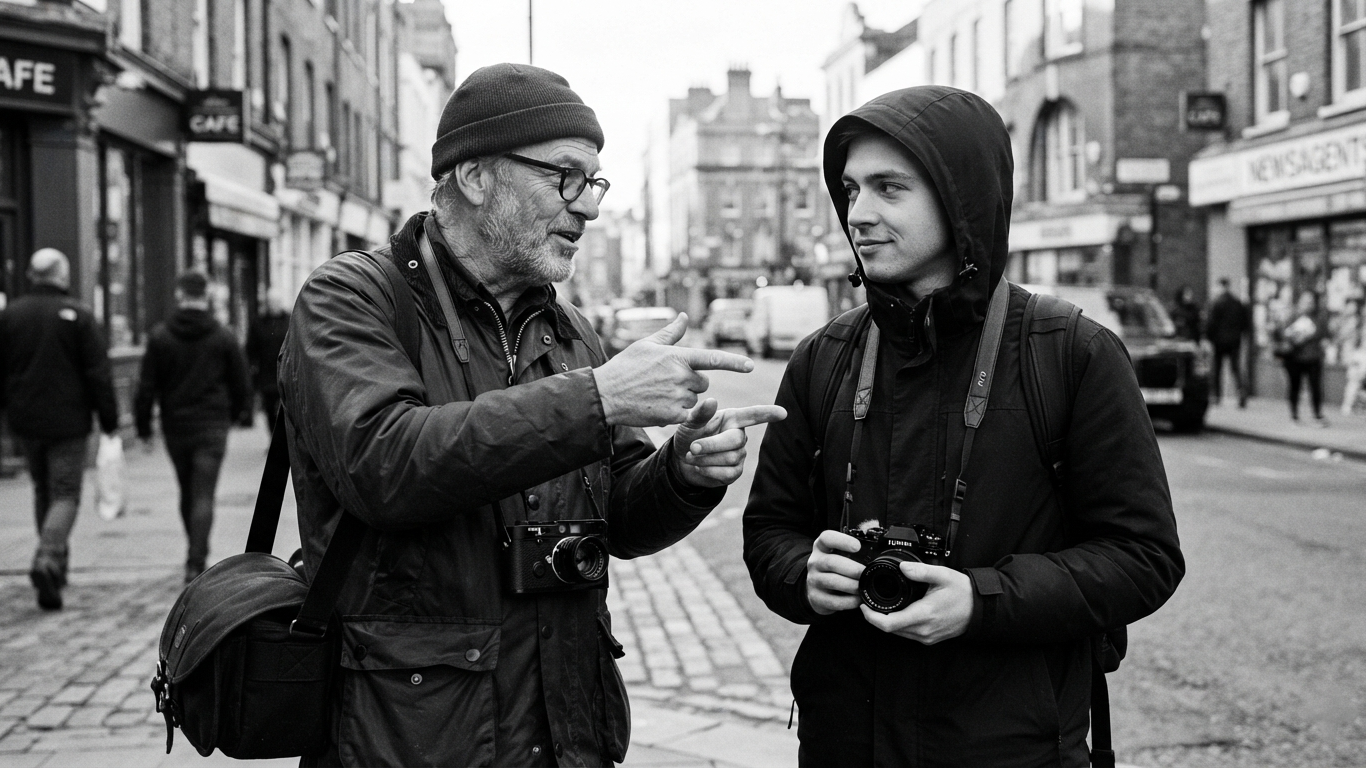
The photographers who make the most compelling work are almost always people with wide ranging curiosity. They read. They look at art. They walk slowly. They notice things that other people walk past. They ask questions. They return to the same places repeatedly because they suspect there is something there they have not yet seen. That quality of attention does not develop through camera practice alone. It develops through a general orientation toward the world that values looking and noticing and wondering over assuming and moving on.
This has a practical implication worth sitting with. If your photographs feel flat or generic, the answer is probably not a new lens or a different editing style. The answer is almost certainly that you need to become more interested. Not in photography as a technique, but in the subjects you are choosing to photograph. In the places you are going. In the people you are spending time with. In the ideas that are shaping the world around you.
The Curios Photographer Sees Things That Others Miss
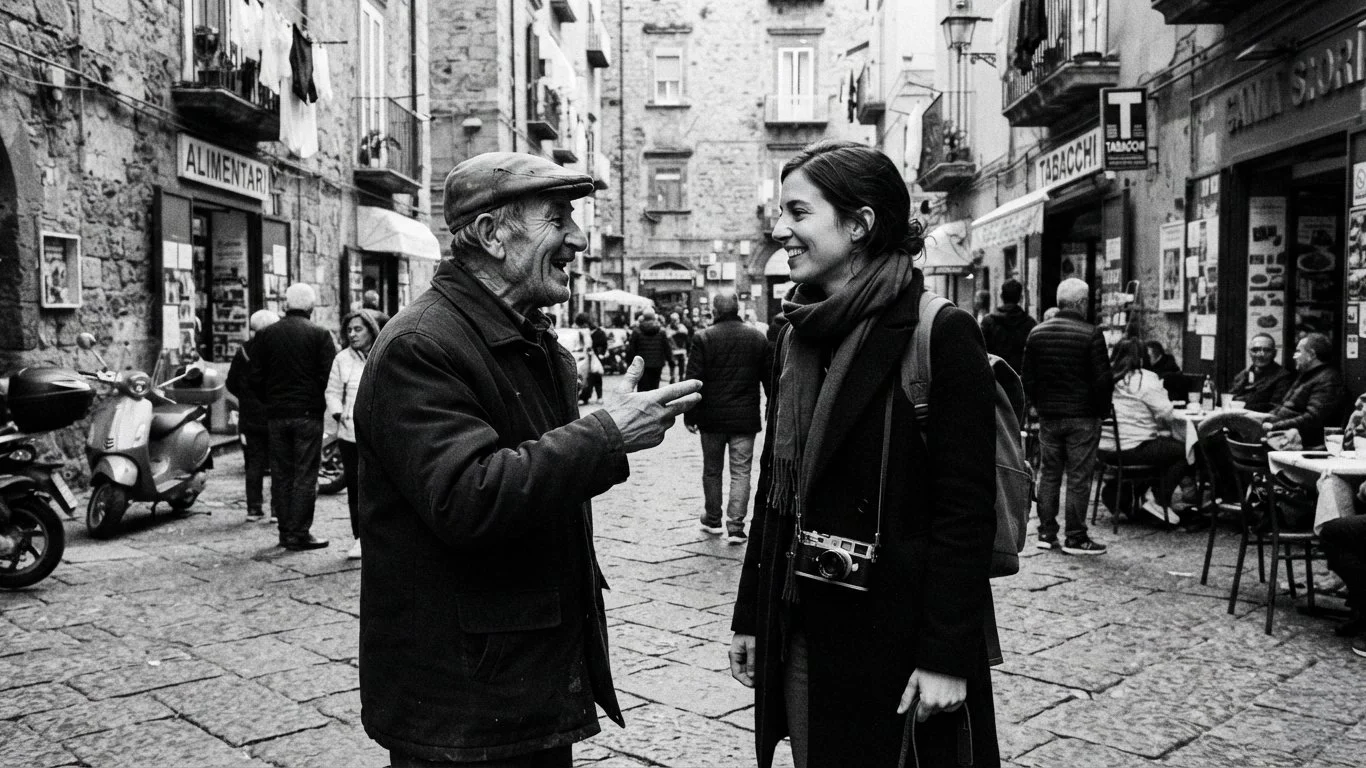
The photographer who is deeply curious about architecture sees things in a building that no one else notices. The photographer who is genuinely interested in the people on a street reads body language and light and timing in ways that produce images no casual observer could make. The photographer who cares about history, or nature, or social change, or the small quiet moments of everyday life brings that care to every frame. And the viewer feels it.
You cannot fake this. You can imitate the style of a photographer you admire but you cannot imitate their curiosity. That has to be genuine. Which means the most important work you can do as a photographer has very little to do with photography at all. It is about developing and protecting your interest in the world. Reading widely. Going places you have not been. Talking to people whose lives are different from your own. Paying attention to things that do not seem immediately photogenic and asking why they caught your eye anyway.
Carnegie's insight was that the most interesting people are the ones who are most interested in others. The most interesting photographs are made by the people who are most interested in everything.
Go be curious.
Ready to see the world differently? The Monochrome Method is a complete video course with lessons and assignments designed to help you craft compelling black and white images and build a portfolio that's unmistakably yours. Start Learning Today.
IF YOU WOULD LIKE TO IMPROVE YOUR BLACK AND WHITE PHOTOGRAPHY TRY THE LESSONS BELOW.





A Beginners Guide To Black And White Photography