
Does It Matter How Often You Shoot?
Why Consistent Practice is the Secret to Mastering Monochrome Photography
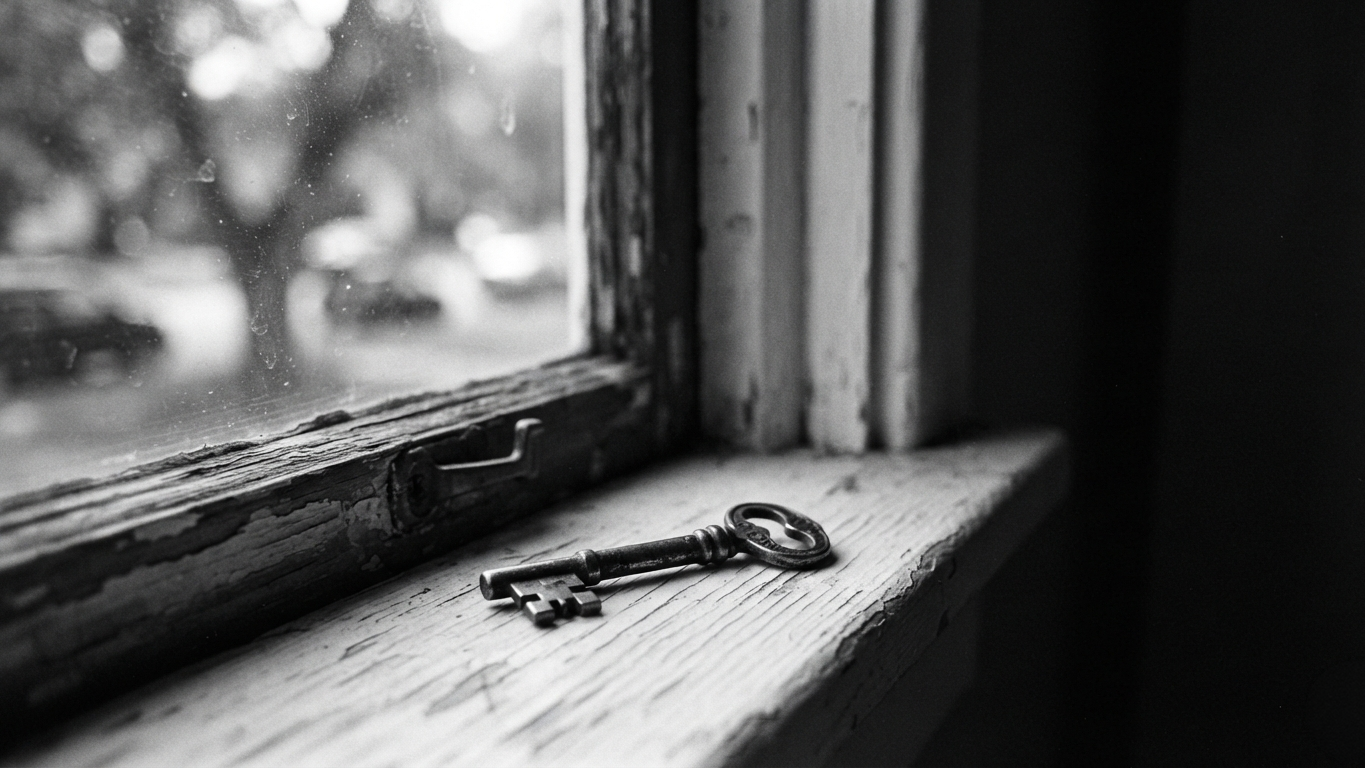
Have you ever noticed that strange feeling when you pick up your camera after it has been sitting on a shelf for a month? It feels like the buttons moved slightly or the menu system decided to speak a different language while you were away. That is the rust setting in. It happens to everyone. We like to think that photography is like riding a bike but the truth is closer to playing an instrument. If you do not play for a few weeks your fingers lose that natural flow and your eyes lose their edge.
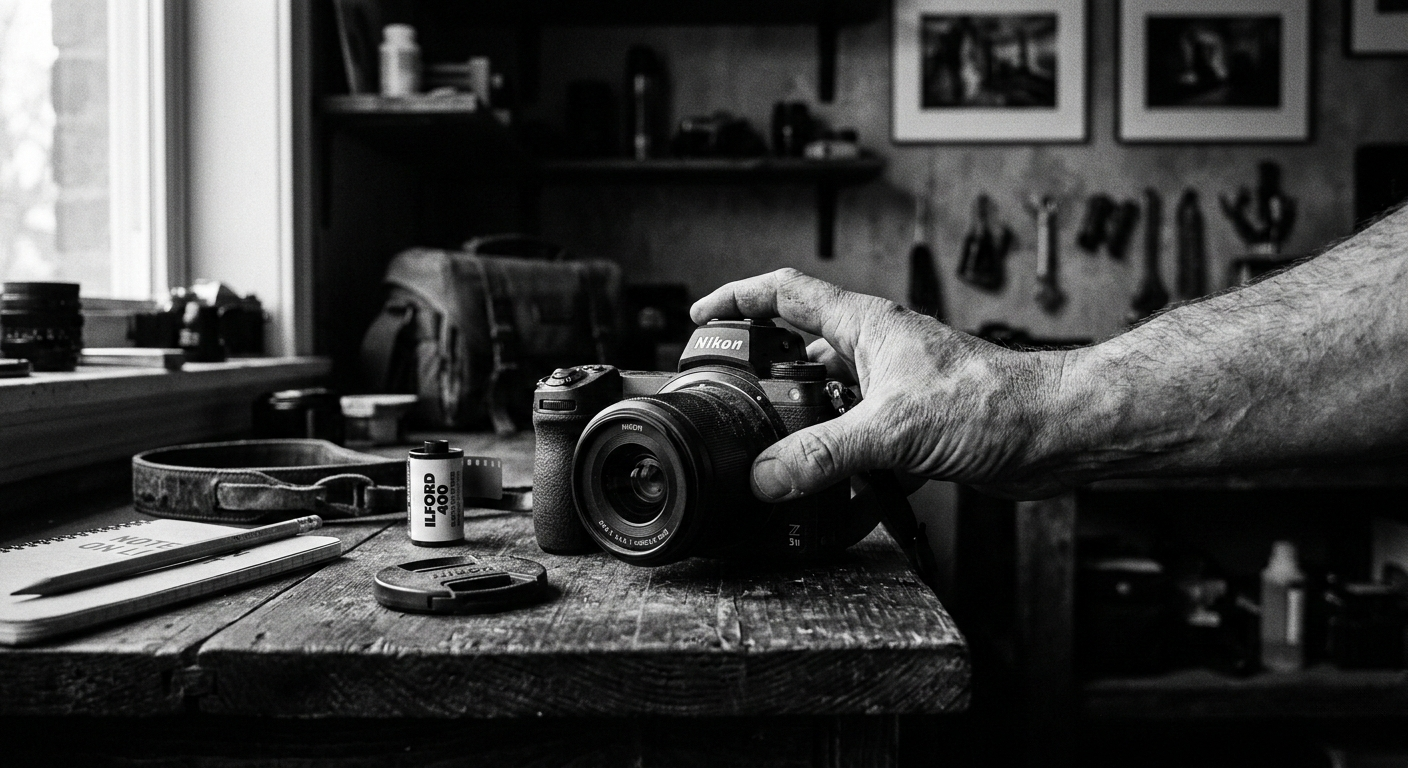
The rhythm of the daily frame
When you shoot every single day you start to develop a kind of sixth sense for light. You stop looking at the back of the screen to check if you got the exposure right because you already know. You feel the light hitting the side of a building and your hand just knows where to set the dial without looking. This is not magic. It is just the result of keeping the connection between your eyes and your hands warm. You are building a library of tones in your mind. The more often you add to that library the easier it becomes to pull out a reference when a split second moment happens in front of you.
Regularity turns the technical stuff into background noise. When the camera becomes an extension of your arm you are finally free to focus on the story. If you are shooting once a week or once a month you are spending all your mental energy on the settings. By the time you find the right f stop the moment has already walked away.
Why the quiet shelf puts you back at square one
Walking away for a long stretch does not just pause your progress. It actually pulls you backward. You might think you are just taking a break but you are really letting your visual instincts get dull. When you finally get back out there you spend the first hour just trying to remember how to see. You miss the subtle details like the way a certain texture looks in flat light or how a shadow creates a line that leads the eye. You end up back at square one because you have to relearn the basics before you can get back to the art.
The danger of the long break is that it creates friction. That friction makes you hesitate. In monochrome photography where the light changes in a heartbeat that tiny hesitation is the difference between a great shot and a missed one. You are not just fighting the light anymore. You are fighting your own lack of practice.
Keeping the connection alive
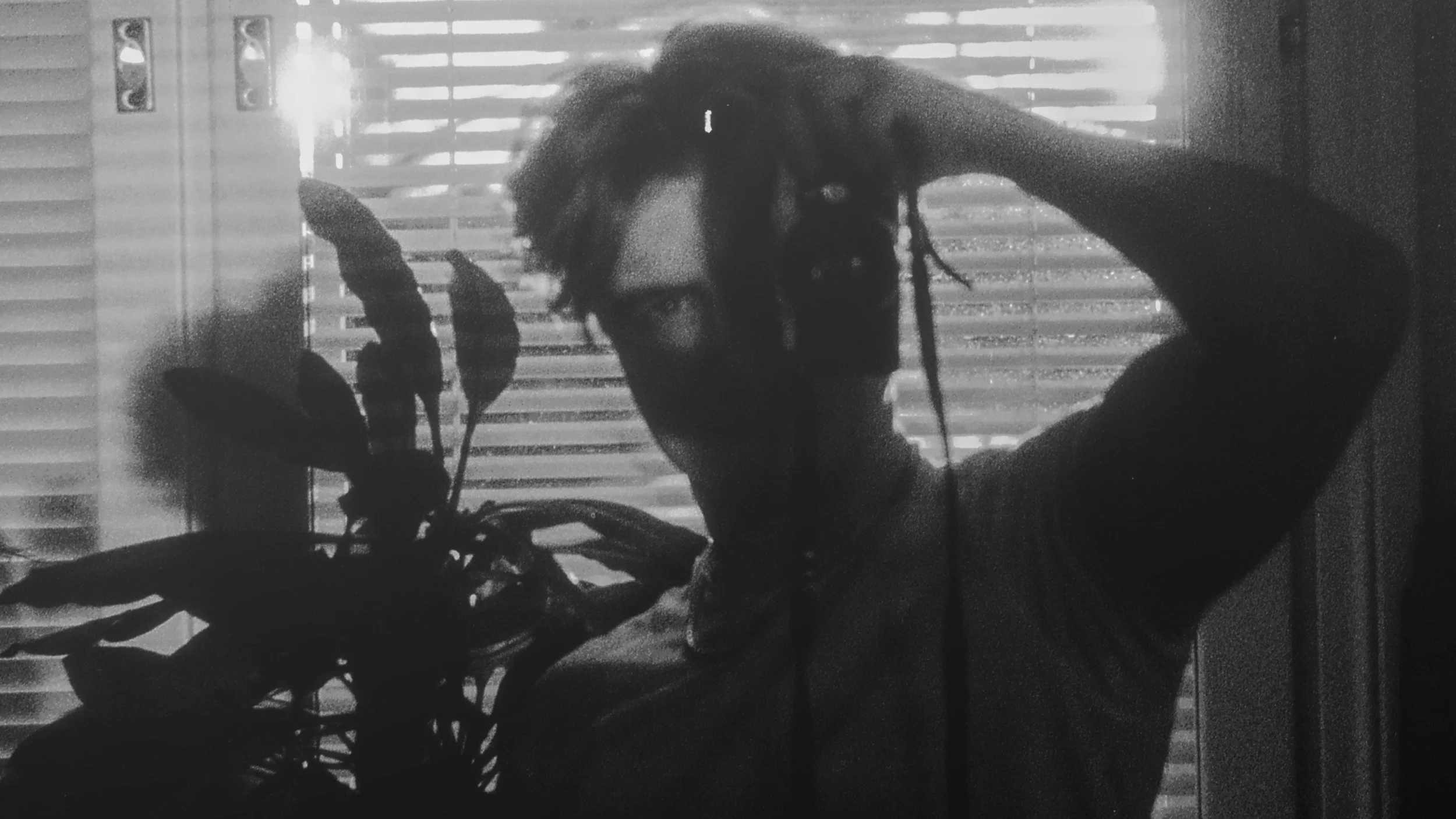
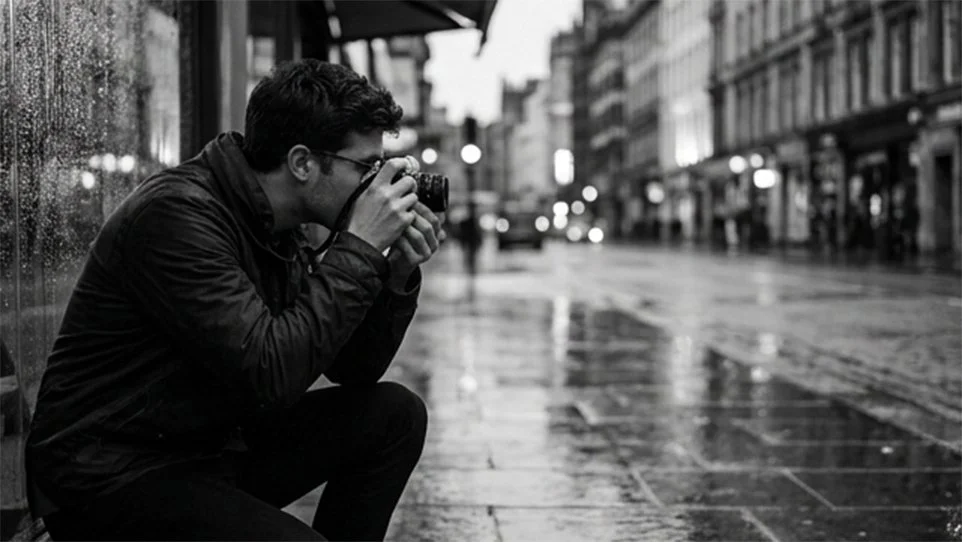
You do not need to go on a massive trip or find a perfect subject to keep the momentum going. Just keep the camera near you. Shoot the light coming through the blinds while you drink your coffee in the morning. Photograph the way the rain looks on the window or the shadows on the floor. It is about the act of looking more than the final image itself. If you keep the habit alive you will find that the world starts looking like a series of potential frames even when your camera is still in your bag.
Ready to see the world differently? The Monochrome Method is a complete video course with lessons and assignments designed to help you craft compelling black and white images and build a portfolio that's unmistakably yours. Start Learning Today.
IF YOU WOULD LIKE TO IMPROVE YOUR BLACK AND WHITE PHOTOGRAPHY TRY THE LESSONS BELOW.







A Beginners Guide To Black And White Photography