
You Are Already an Artist, Own It!
The word most photographers refuse to use about themselves. And why that needs to change.
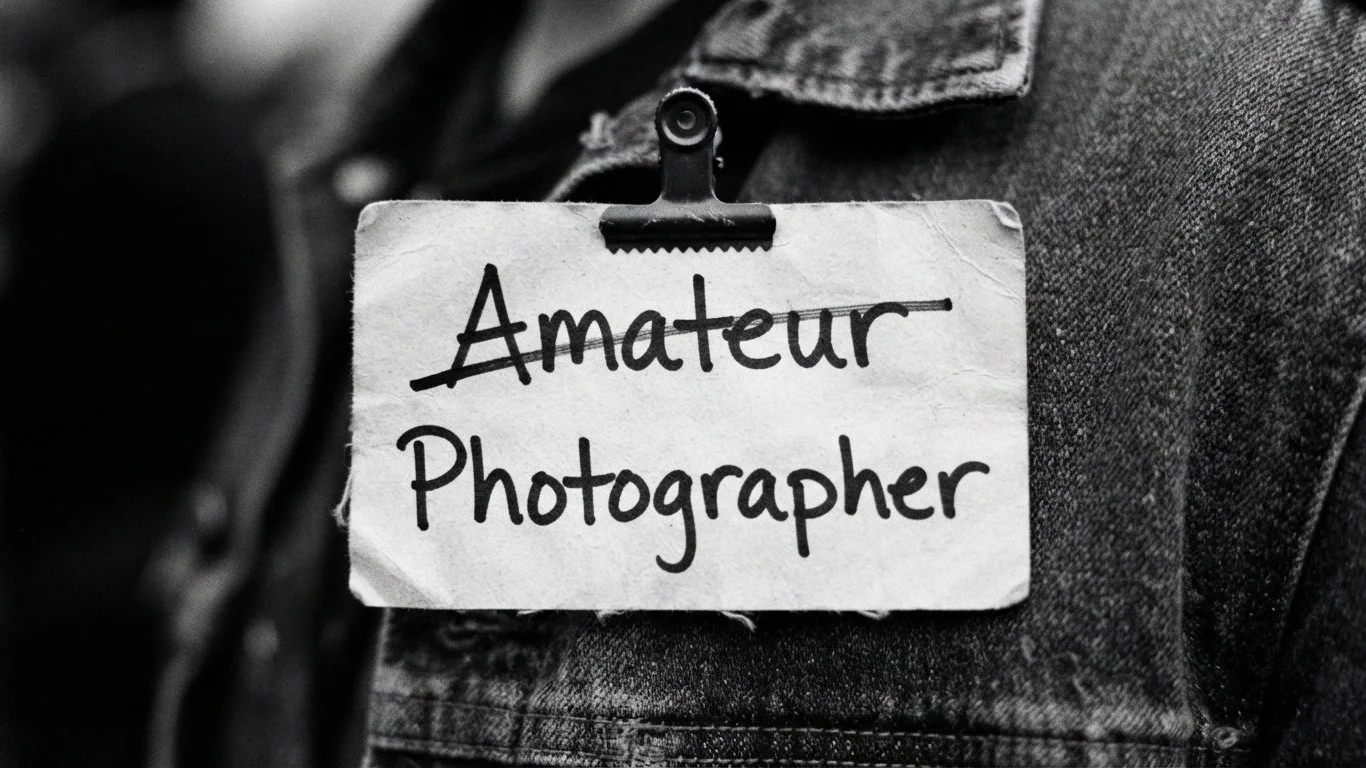
Ask a room full of photographers whether they are artists and watch what happens. A few will nod. Most will hesitate. Some will laugh it off entirely. The same people who spend hours thinking about light, who lose sleep over a single frame, who feel something shift inside them when they make an image that works, will tell you they are just someone with a camera.
They are wrong!
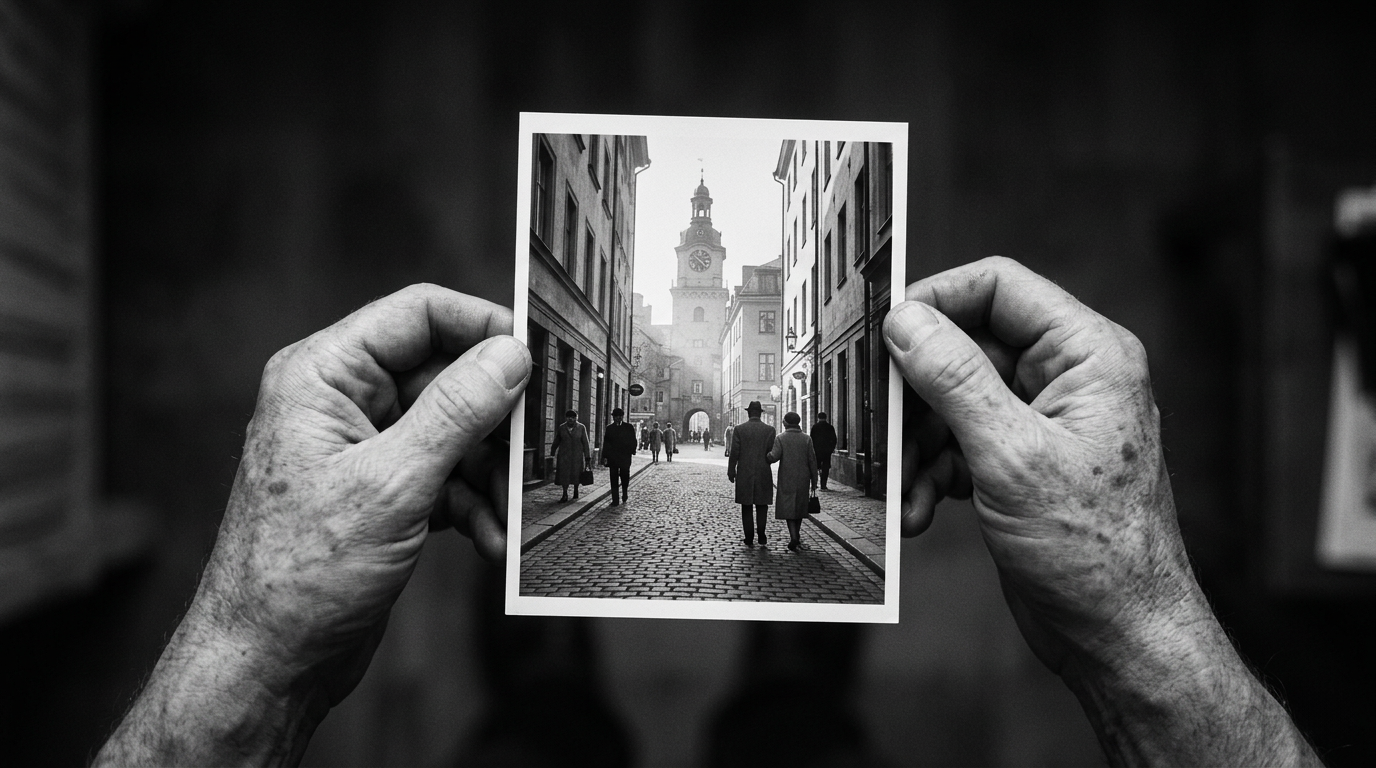
The reluctance to use the word artist is one of the most common and most damaging things we do to ourselves as photographers. We treat it as a title that has to be earned, a status conferred by someone else, a threshold we have not yet crossed. We point to the photographers we admire and say that is what an artist looks like. And then we look at our own work and find a reason why the word does not quite apply.
This is not humility. It is a habit of diminishment and it is worth examining.
Think about what you actually do when you go out to shoot. You look at the world and decide what matters. You choose a frame. You respond to light. You decide what to include and what to leave out. You bring your own history, your own sensibility, your own way of seeing to every single image you make. Two photographers standing in the same place at the same moment will make entirely different photographs. That difference is not technical. It is personal. It is the product of who you are.
That is what artists do
The confusion comes partly from how we define the word. We tend to think of an artist as someone who has achieved something, who has been recognized, who has crossed some invisible line into legitimacy. But that is not what the word means. An artist is someone who makes things with intention and vision. Someone whose work reflects a genuine engagement with the world rather than a mechanical recording of it. By that definition most of the people reading this are already artists, whether they have sold a print, exhibited their work, or ever once used the word to describe themselves.
There is also the comparison problem. We live in a world where we see the best work of the best photographers every day. Instagram, photography magazines, award competitions, gallery websites. The work we encounter is curated and exceptional and it sets an unconscious standard against which we measure everything we do. Our outtakes versus their best shots. Our doubts versus their finished work. It is not a fair comparison and it never was.
Henri Cartier-Bresson spent decades making photographs before the images that defined his legacy. Vivian Maier made over 150,000 photographs and showed almost none of them in her lifetime. Diane Arbus struggled with self-doubt throughout her career. The archive of any great photographer contains far more uncertainty than the retrospectives suggest. The difference between them and the photographer who never quite believes in their own work is not talent. It is the decision to keep going anyway.
Confidence in your work does not arrive before the work. It arrives through the work. The more you shoot, the more you edit, the more you sit with your images and ask what they are really about, the clearer your own vision becomes. And the clearer your vision becomes, the less you need anyone else to tell you whether what you made has value.
We spend a lot of time in this community talking about technique. Light, composition, exposure, equipment. All of it matters. But none of it matters as much as the belief that what you see is worth photographing. That your perspective on the world is valid. That the photographs you make could not have been made by anyone else, because no one else has lived your life, seen what you have seen, or learned to look the way you have learned to look.
That is not a small thing, That is everything
So the next time someone asks what you do and you are about to say you just take pictures, stop. You make photographs. You look at the world and find something in it that deserves to be seen. You work with light and shadow and time and you try to make something that lasts longer than the moment it came from.
That is art. You are an artist. You were one before you picked up a camera and you will be one long after you put it down.
Own the word!
Ready to see the world differently? The Monochrome Method is a complete video course with lessons and assignments designed to help you craft compelling black and white images and build a portfolio that's unmistakably yours. Start Learning Today.
IF YOU WOULD LIKE TO IMPROVE YOUR BLACK AND WHITE PHOTOGRAPHY TRY THE LESSONS BELOW.




A Beginners Guide To Black And White Photography