-
A PHOTO STORY: ALMOST BROKEN
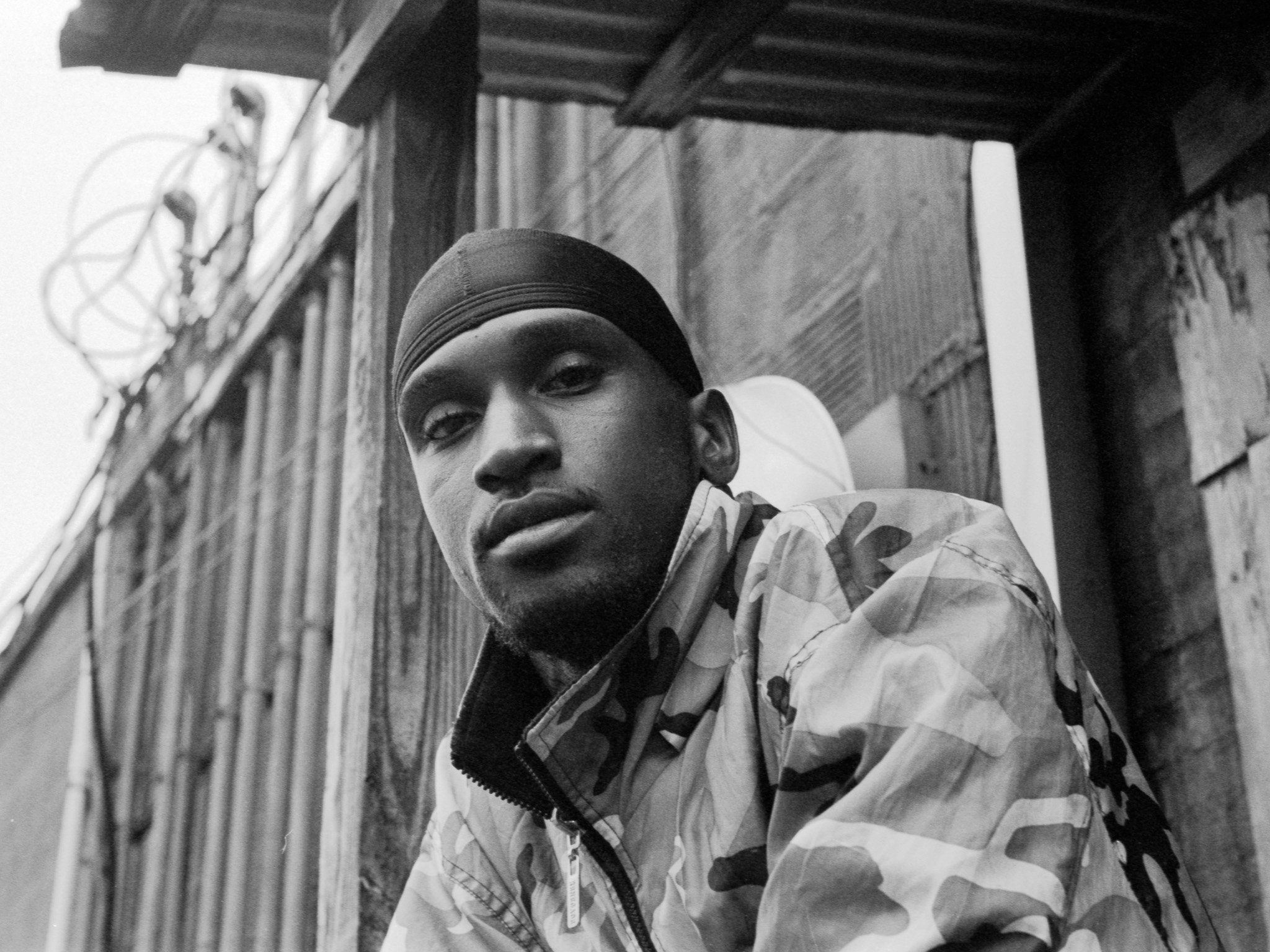
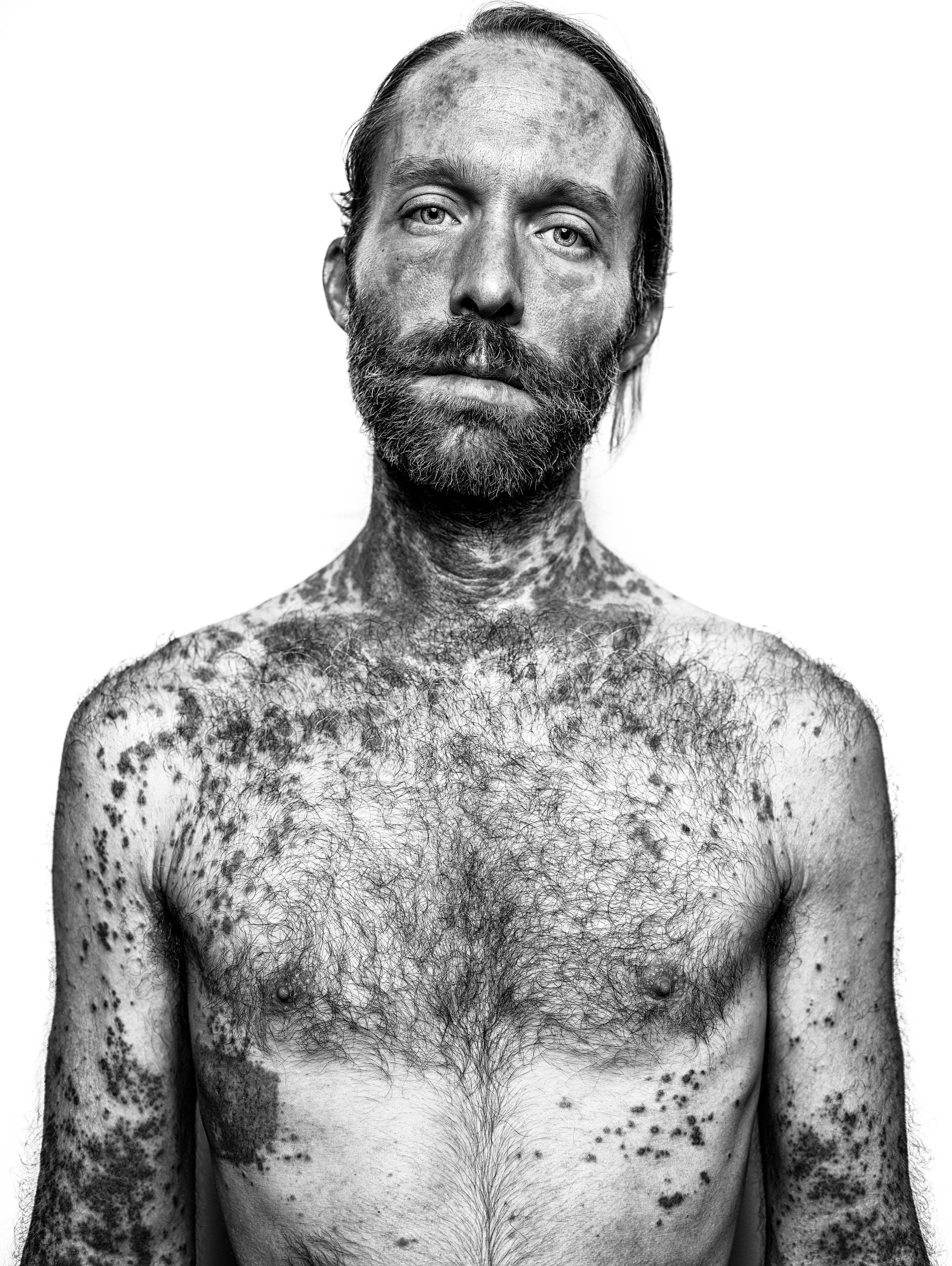
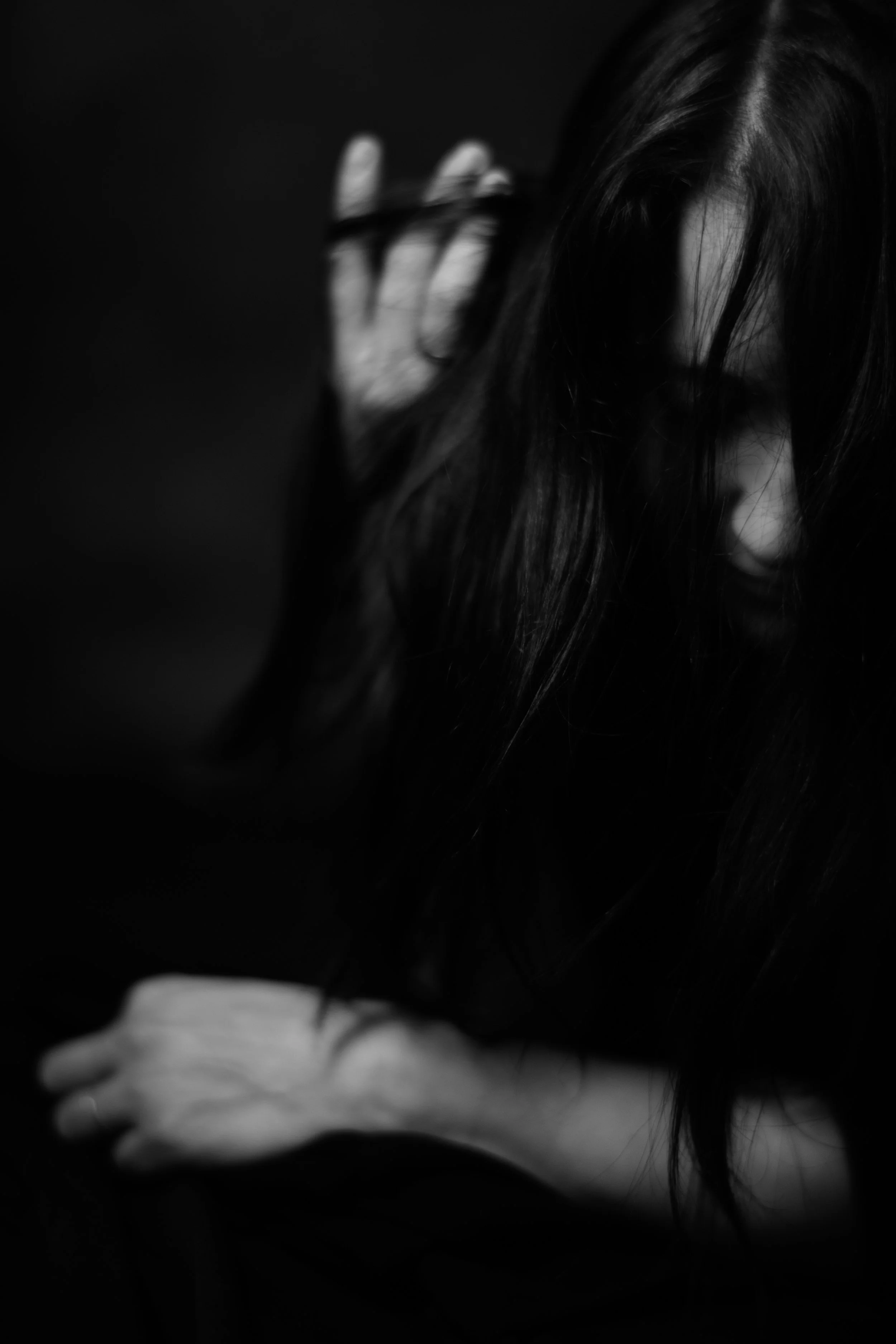
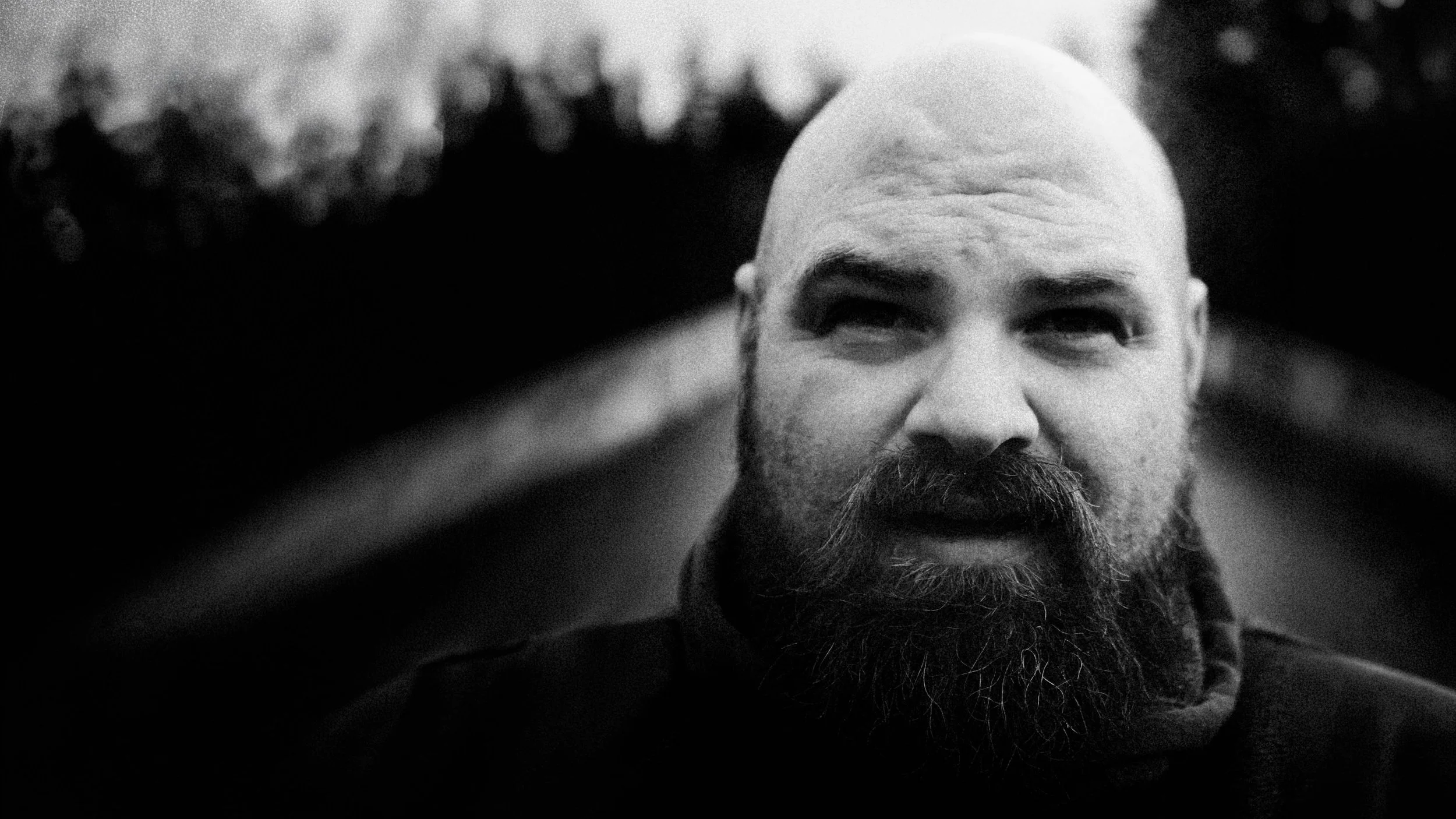
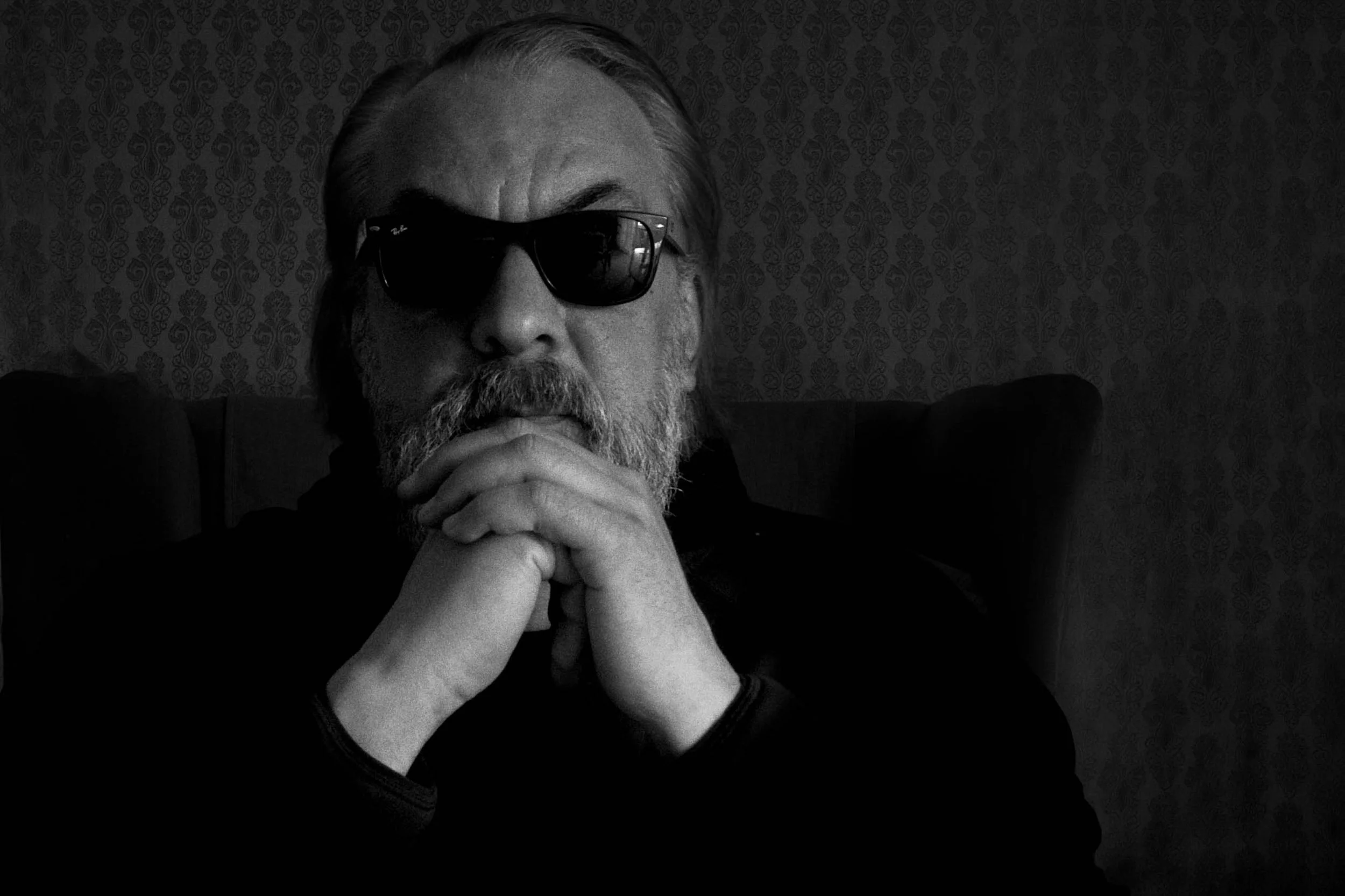
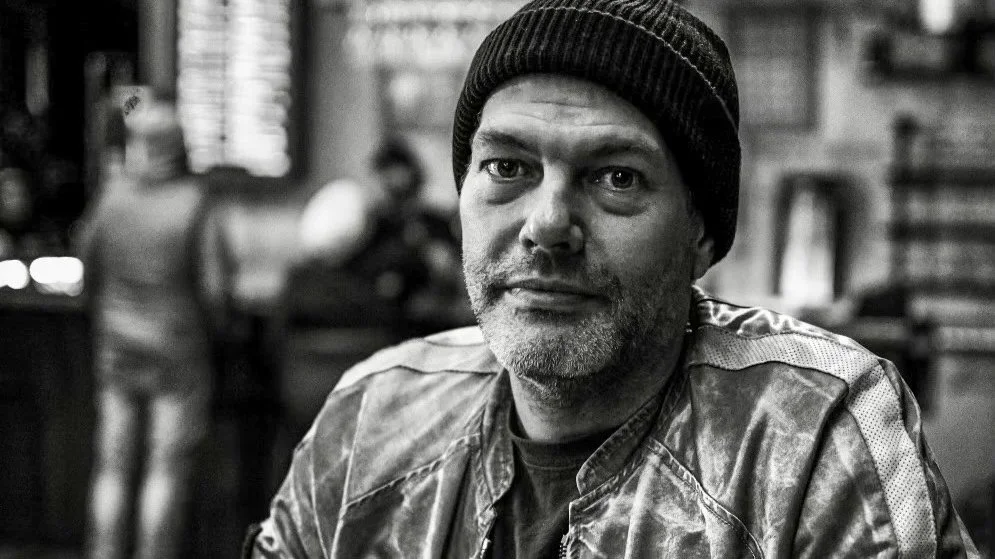
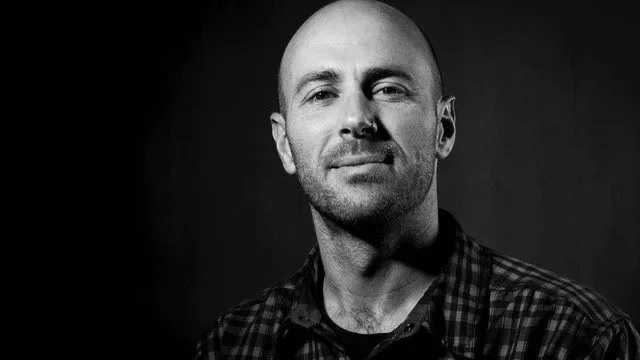
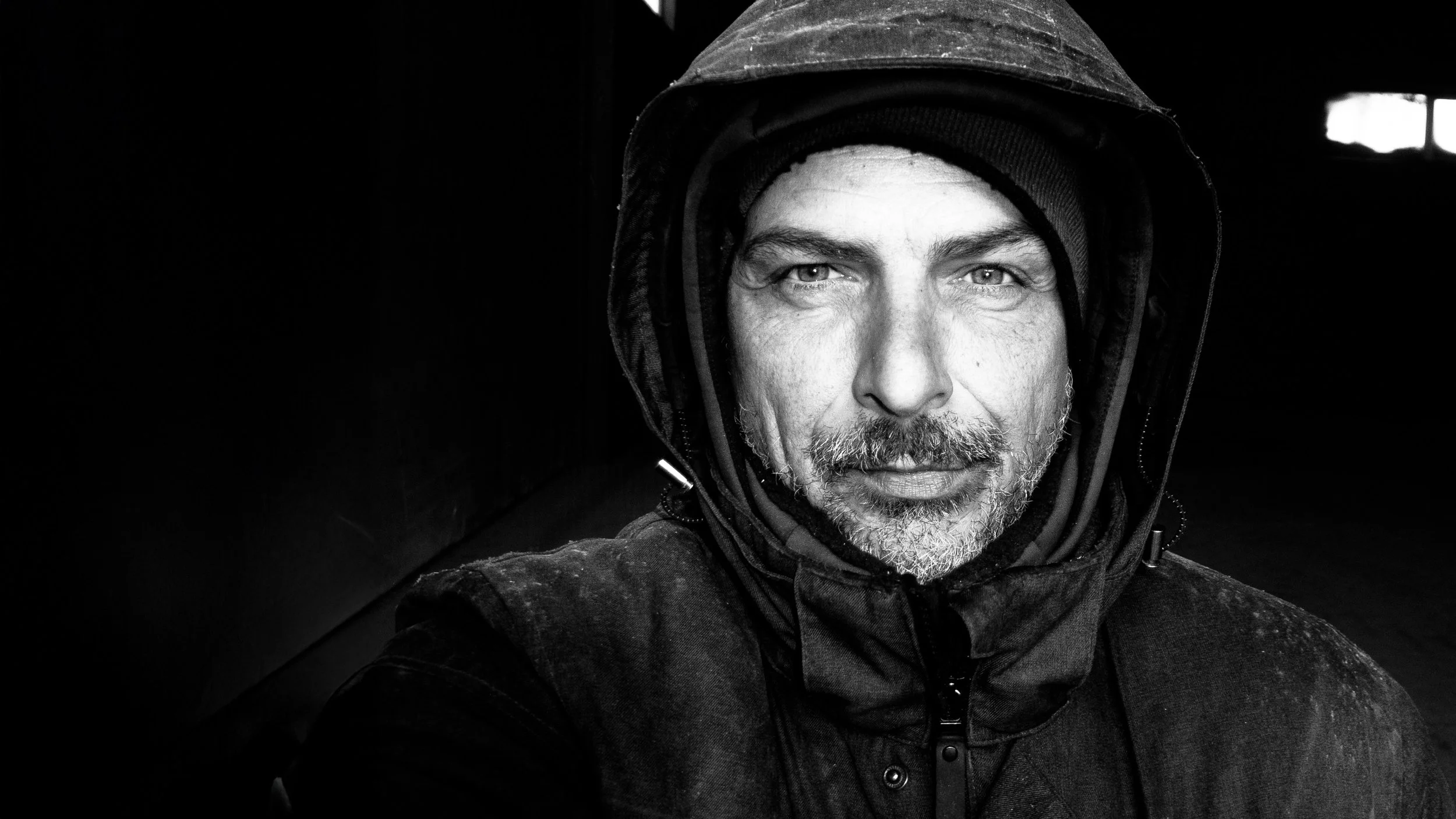
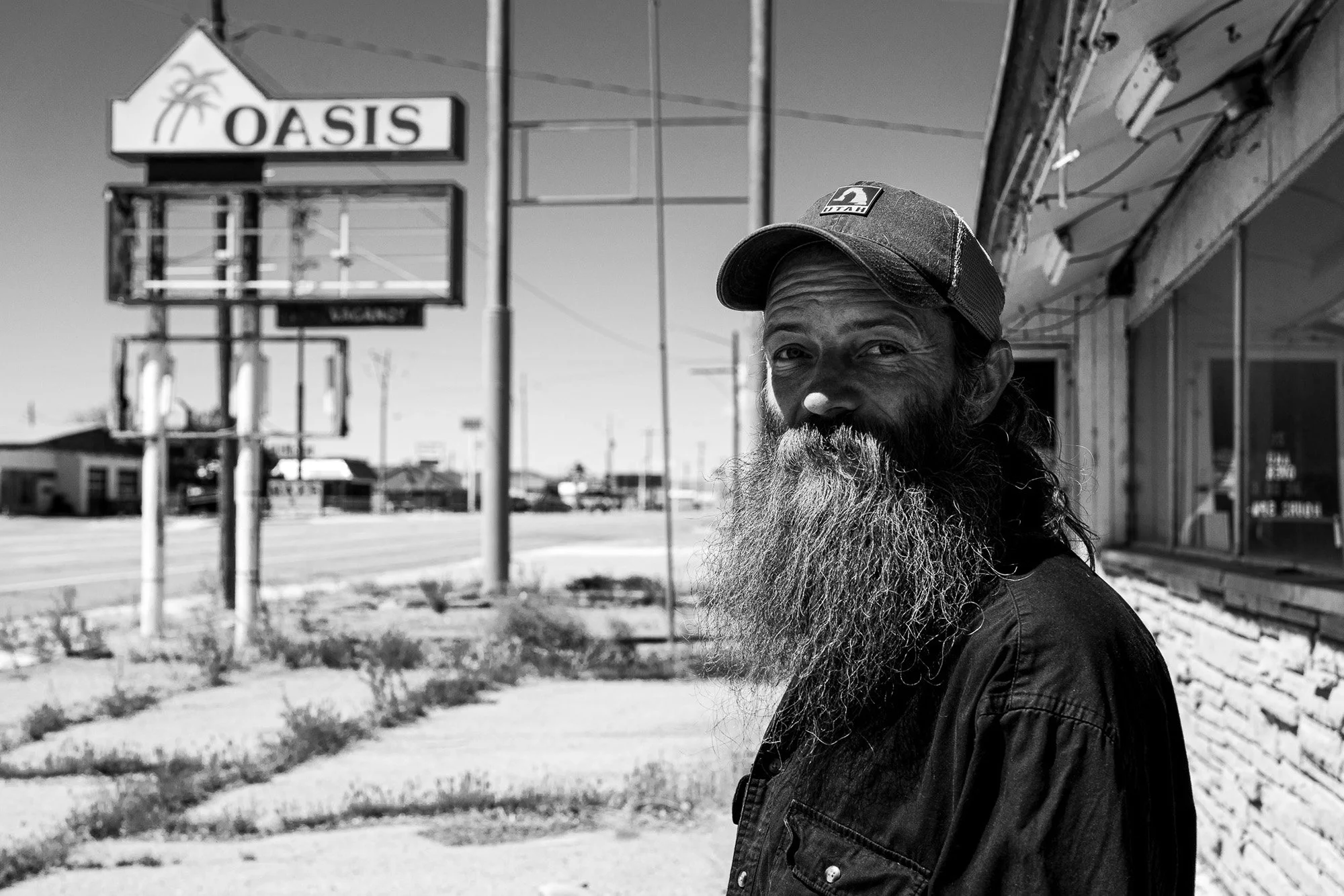
Jami Azad is a filmmaker based between Los Angeles and Karachi who photographs as therapy. Almost Broken is the work that came from years of looking for the same thing in two countries on opposite sides of the world. The face that has not yet given up. And the one that has.
Photographs by Jami Azad
-
BEHIND THE SHOT WITH TAMAS KERESKENYI
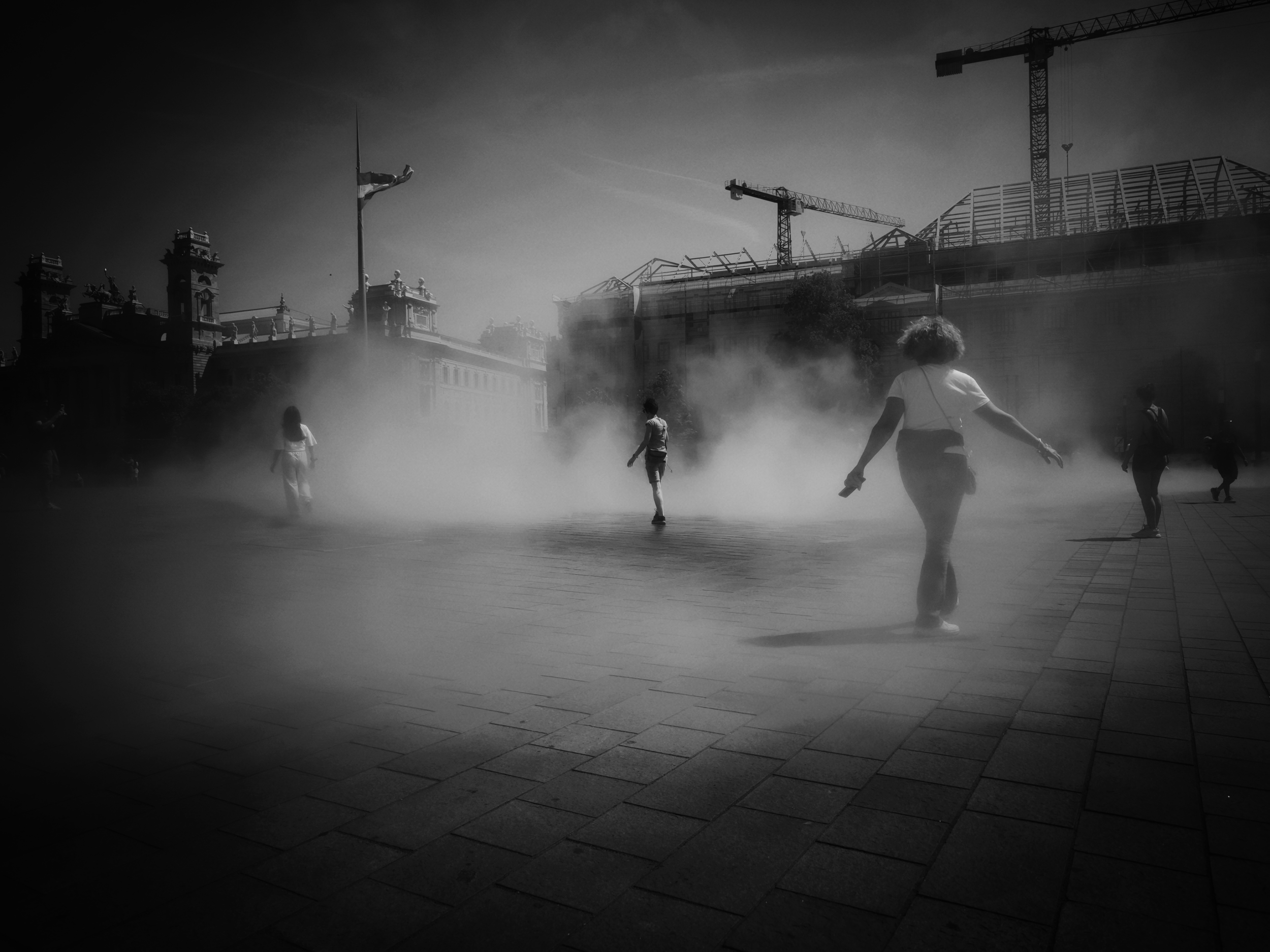
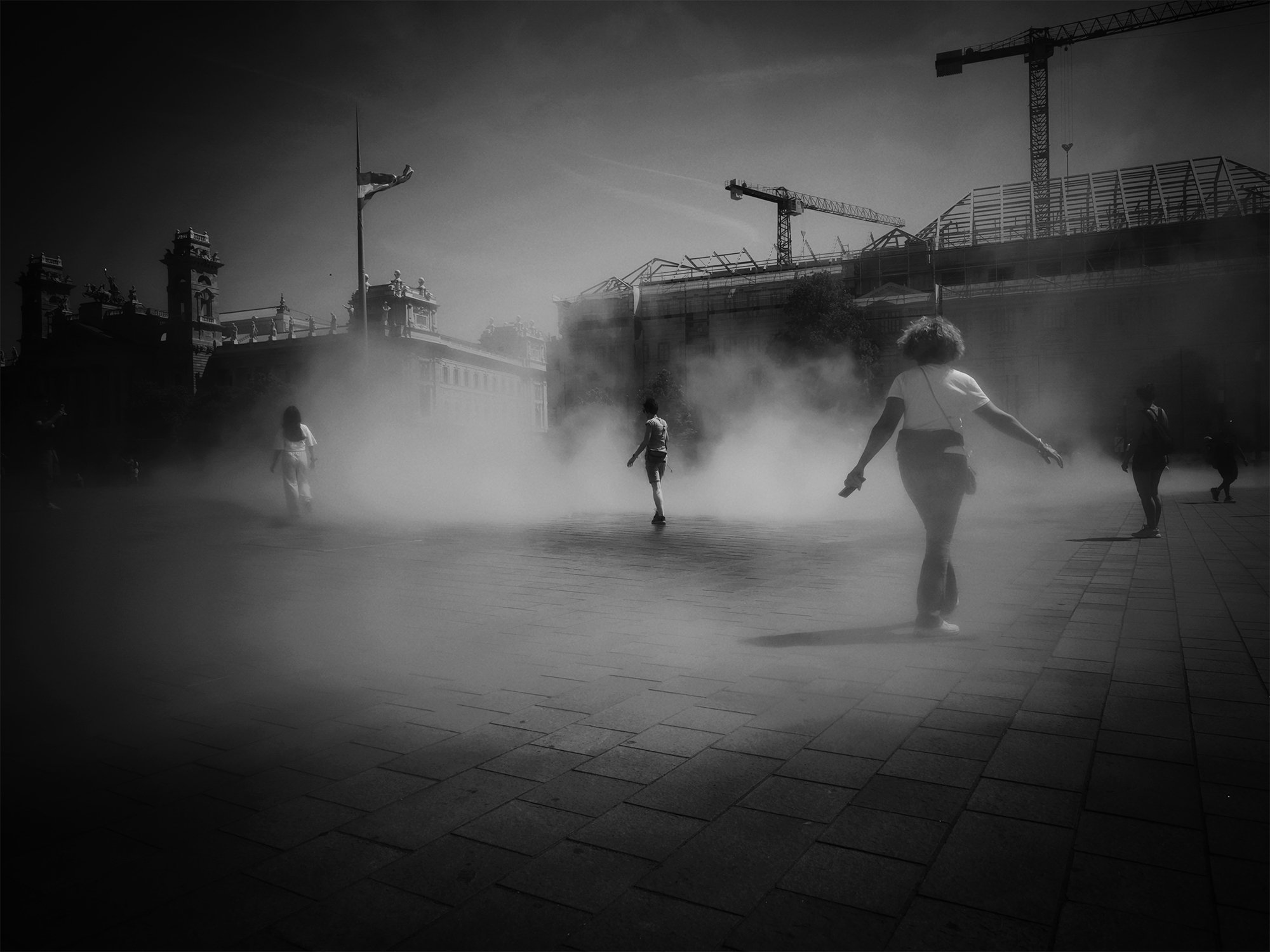
For nearly twenty years Tamas Kereskenyi could not walk through this square without feeling the weight of it. Anger. Helplessness. The suffocating atmosphere of a political reality that had frozen the place into a symbol of absolute power. Then history changed. He came back for the first time not as a protestor but as a citizen rediscovering his city. And that is when the mist rose from the pavement.
Photograph by Tamas Kereskenyi
-
A PHOTO STORY: DERAILED
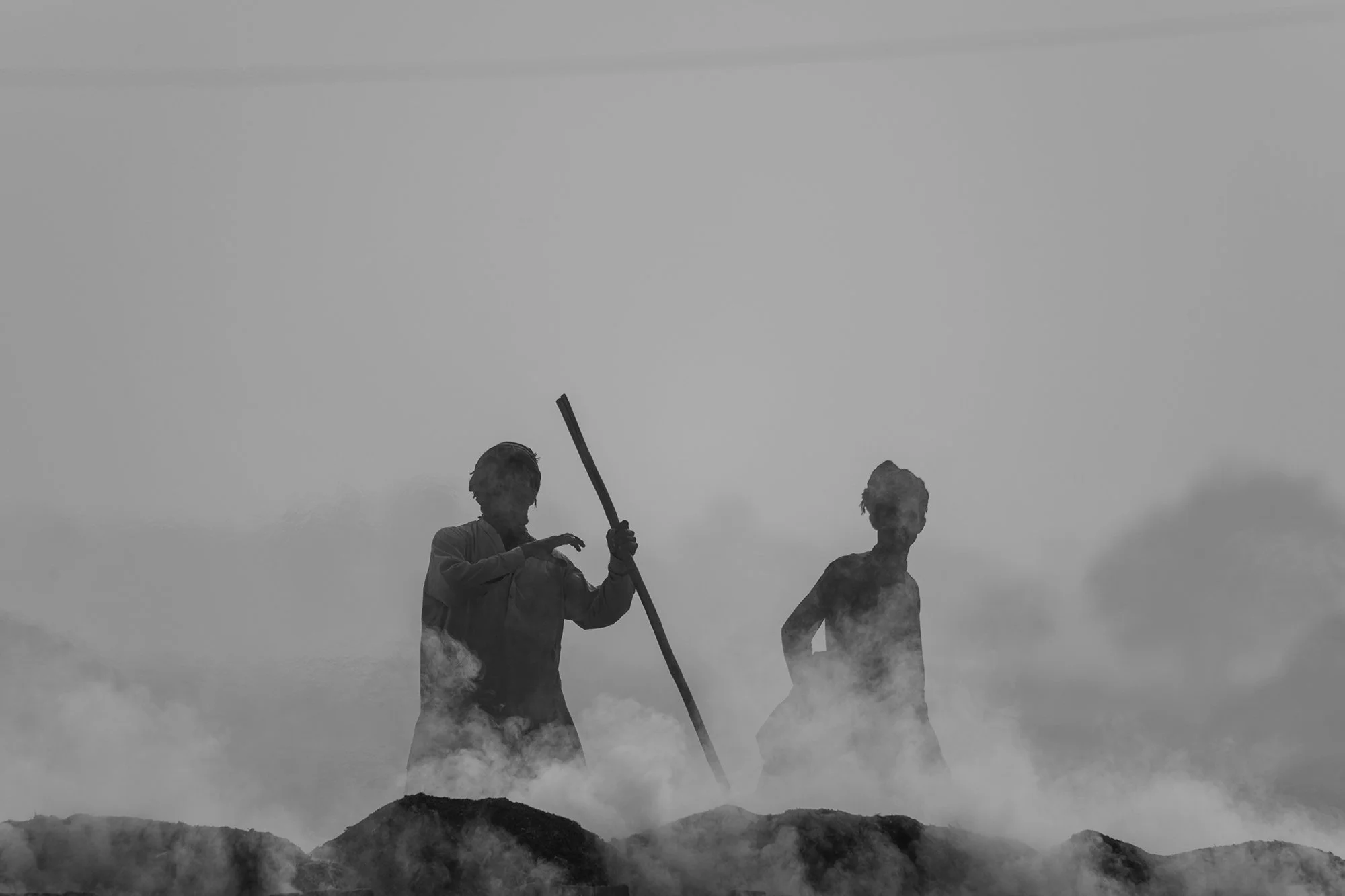
In July 2022 Dustin Mullin stopped in Green River Utah to buy groceries. The grocery store was immaculate. Fully stocked. Carefully maintained. In a town where businesses had been closing for decades someone still cared deeply enough to keep the shelves full. That detail stayed with him for four years. When he came back with a camera he had one question. What keeps people here when everything else seems to have moved on.
Photographs by Dustin Mullin
-
A PHOTO STORY: CUBA 25 YEARS AGO
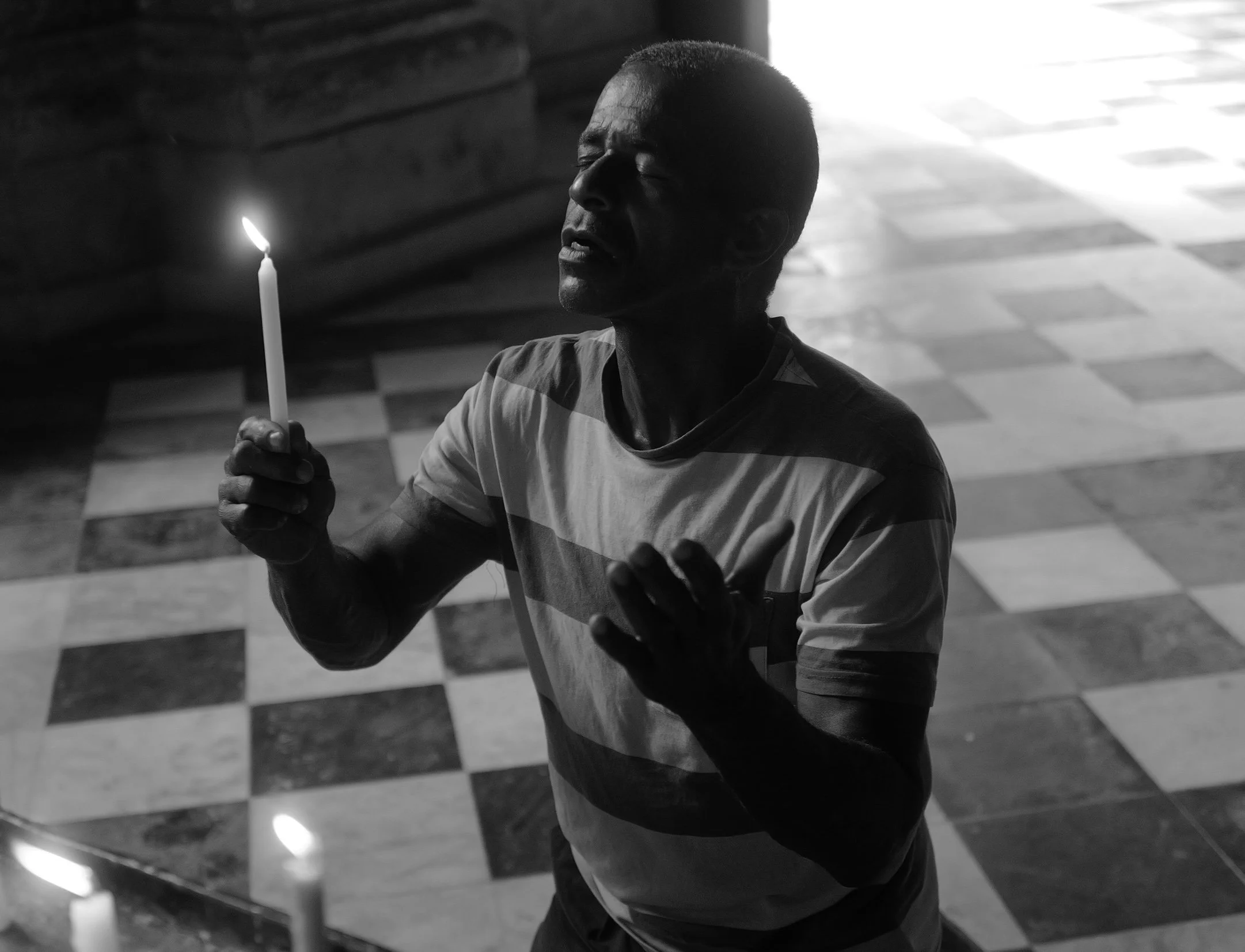
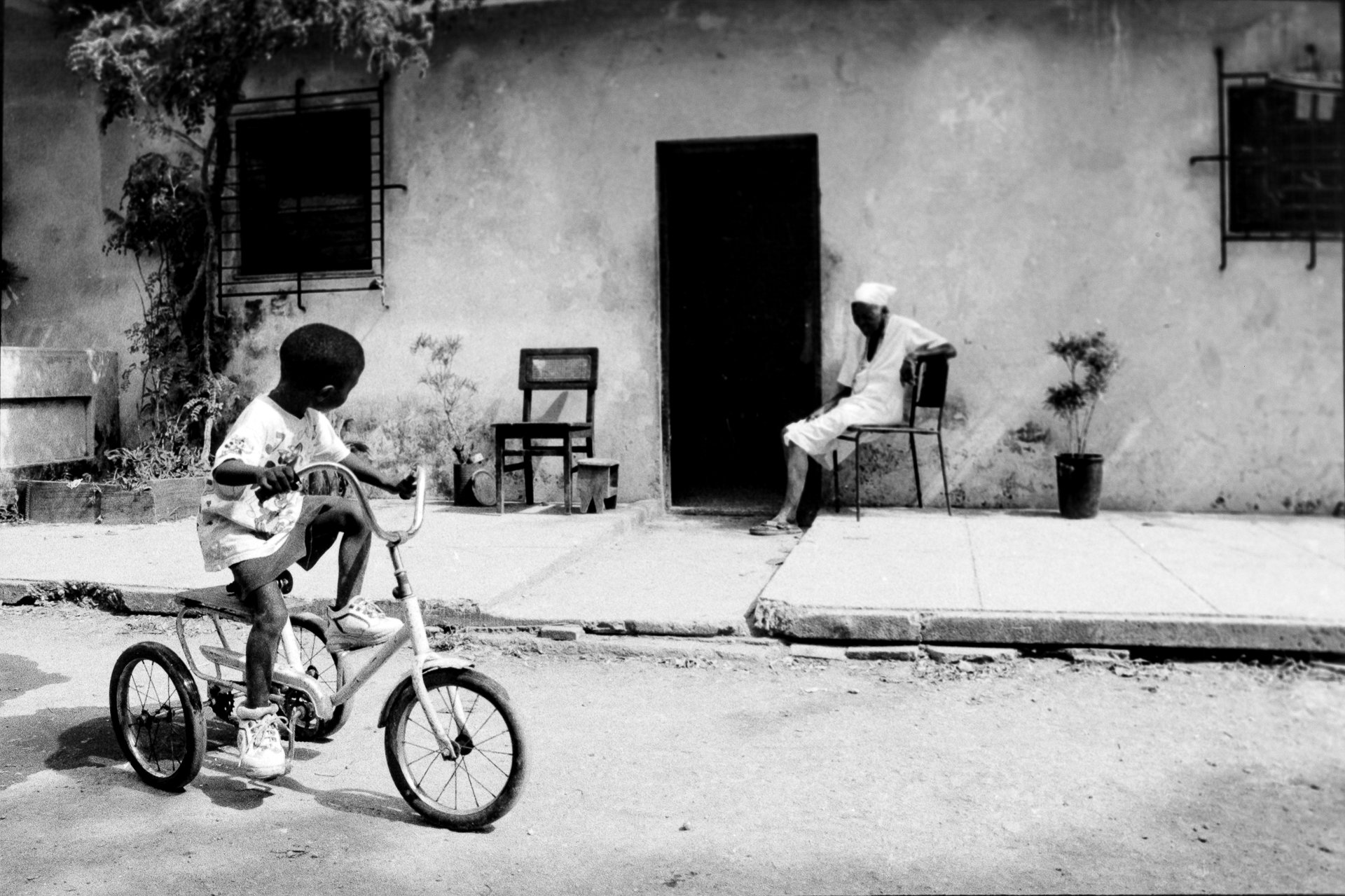
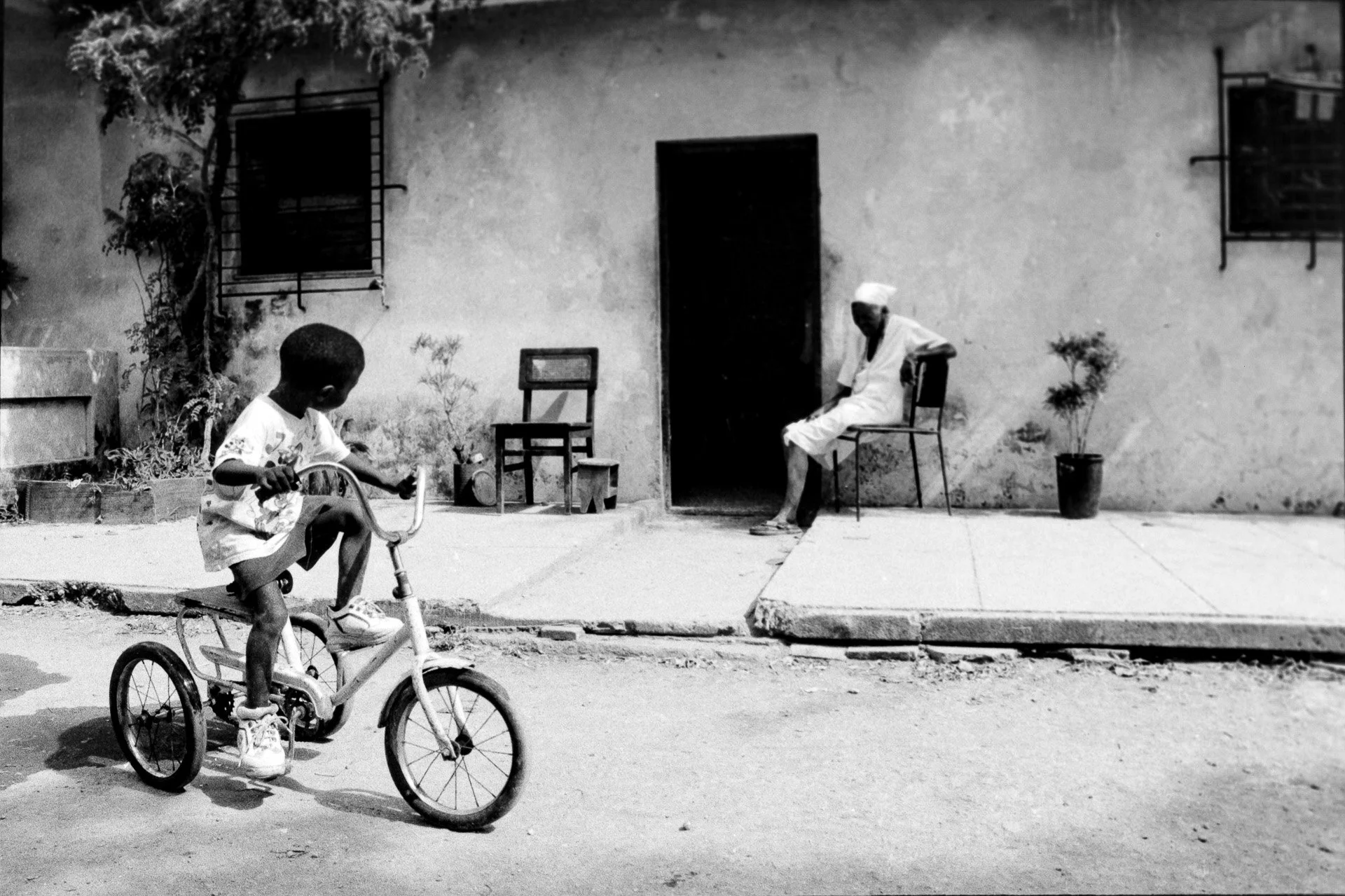
Twenty five years ago, Eduardo Cerda Sanchez boarded a plane to Cuba. He was not going as a photographer with a project. He was going as a student, with a camera, three months, and no agenda. Cuba, it turns out, does not need a photographer with a project. It just needs one willing to show up.
Photographs by Eduardo Cerda Sanchez
The #1 Community for black and white photography
WHERE PHOTOGRAPHERS WHO SHOOT IN BLACK AND WHITE COME TO LEARN, SHARE AND GROW
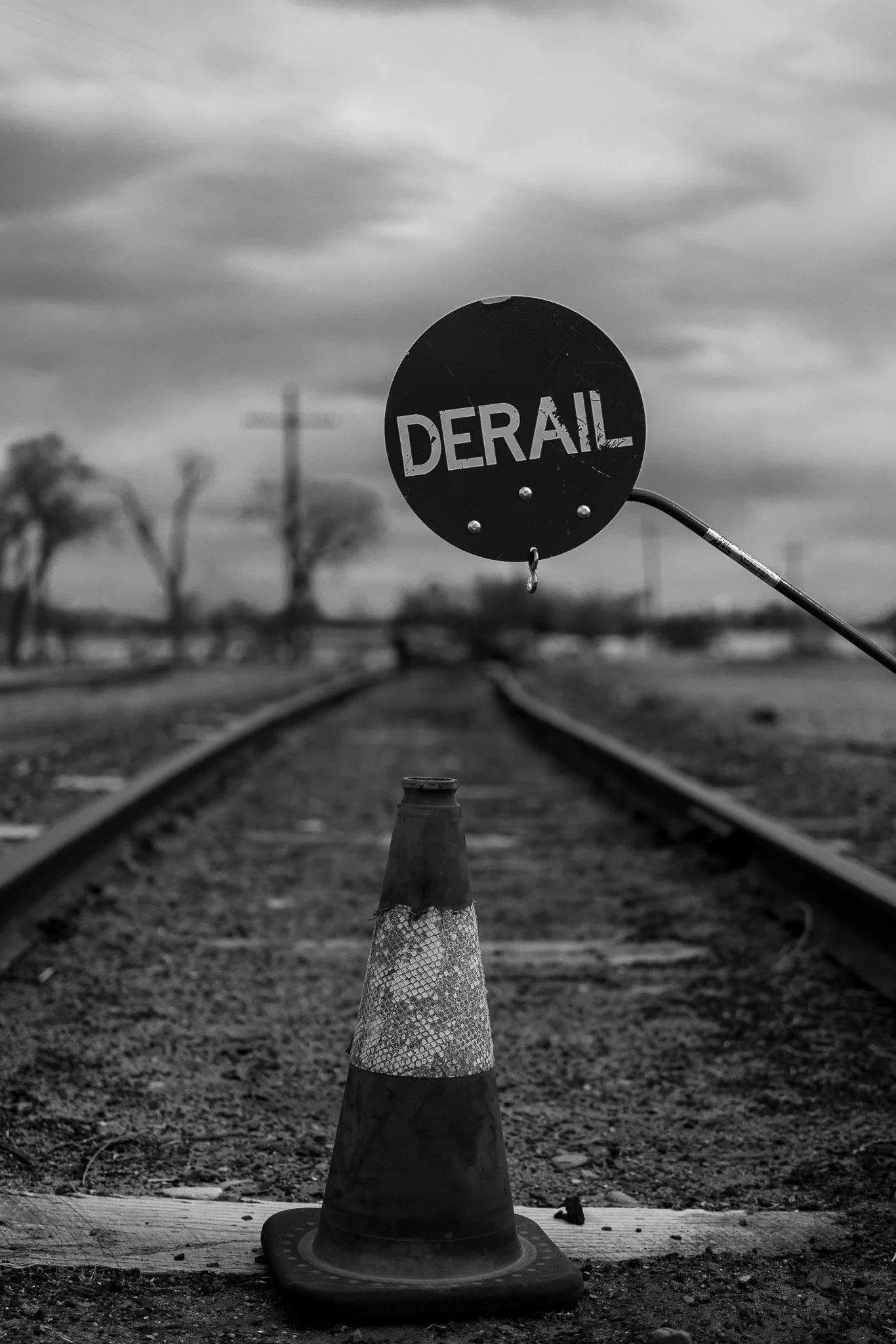
In July 2022 Dustin Mullin stopped in Green River Utah to buy groceries. The grocery store was immaculate. Fully stocked. Carefully maintained. In a town where businesses had been closing for decades someone still cared deeply enough to keep the shelves full. That detail stayed with him for four years. When he came back with a camera he had one question. What keeps people here when everything else seems to have moved on.
Remon Diaz is a deaf photographer based in Miami who has spent years developing a visual grammar he calls The Decisive Metaphor. His latest analog project, The Uneventful City, is a study of the structural solitude that exists inside urban life when you strip away the noise. Literally and figuratively.
Every working photographer has a hard drive full of images that did not fit the brief. Ben Lumley decided to do something about it. Photos While I'm Working is the series he built from a decade of moments nobody commissioned and nobody asked for. It might be his most honest work.
David Clark retired three years ago and bought his first serious camera. Since then he has been making up for lost time. A week in Havana on a portrait workshop led by legendary photographer Peter Turnley changed how he thinks about photographing people. Here is the story.
For the past several months Joe Moro has been returning two or three times a week to the same corner in Melbourne. The same stretch of footpath. The same light. The same cast of strangers who are slowly becoming familiar. This is what it looks like when a photographer decides to go deep instead of wide.
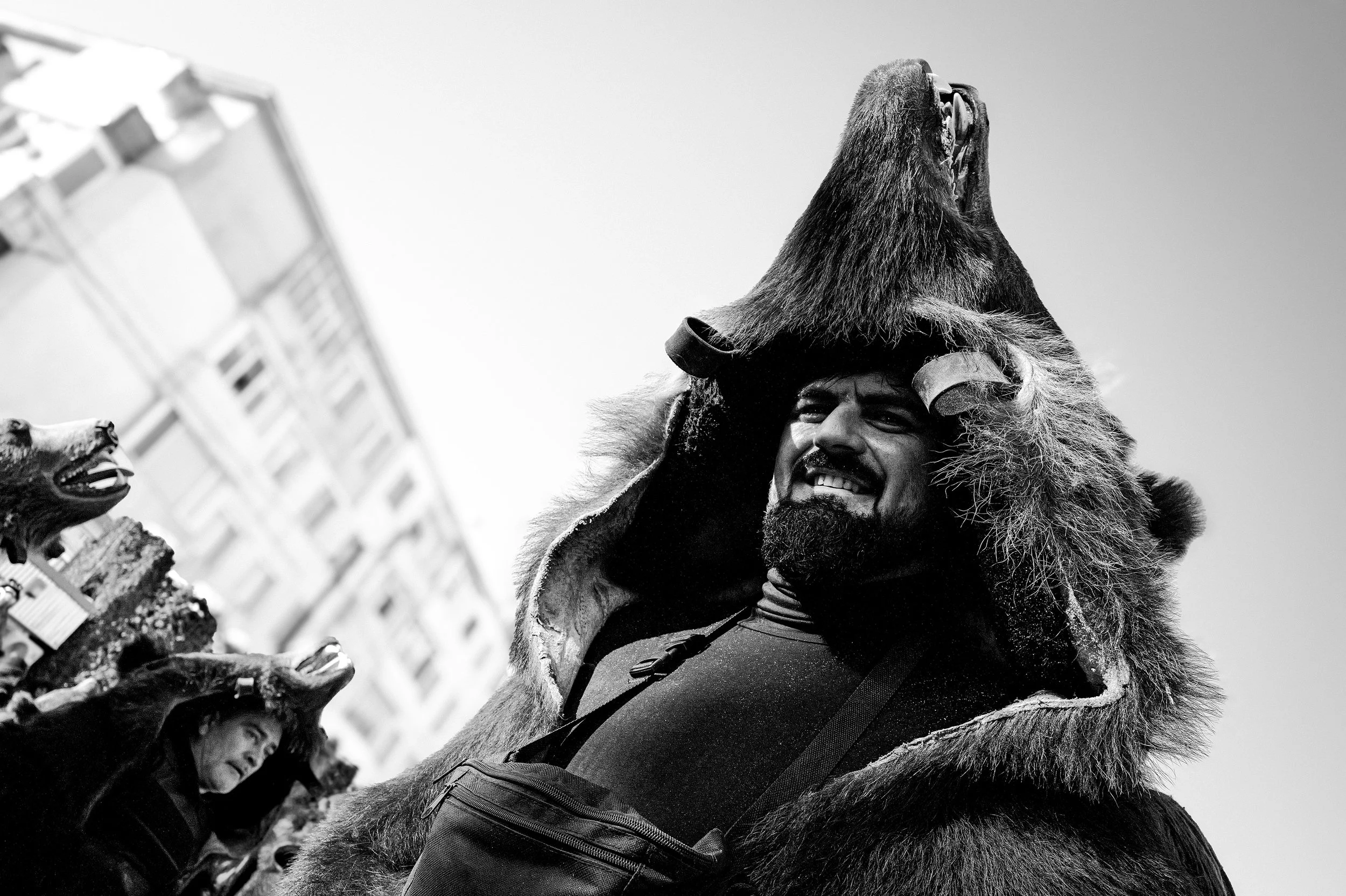
Every December in the Moldavian region of Romania, men wrap themselves in real bear skins and march through the streets to the sound of drums. Armin traveled from Germany to document it. He did not expect to find himself there too.
Oxford, Mississippi is a town in the middle of remaking itself. Dason Pettit has spent years watching it happen, and somewhere along the way realized the project was also about him.
Twenty five years ago, Eduardo Cerda Sanchez boarded a plane to Cuba. He was not going as a photographer with a project. He was going as a student, with a camera, three months, and no agenda. Cuba, it turns out, does not need a photographer with a project. It just needs one willing to show up.
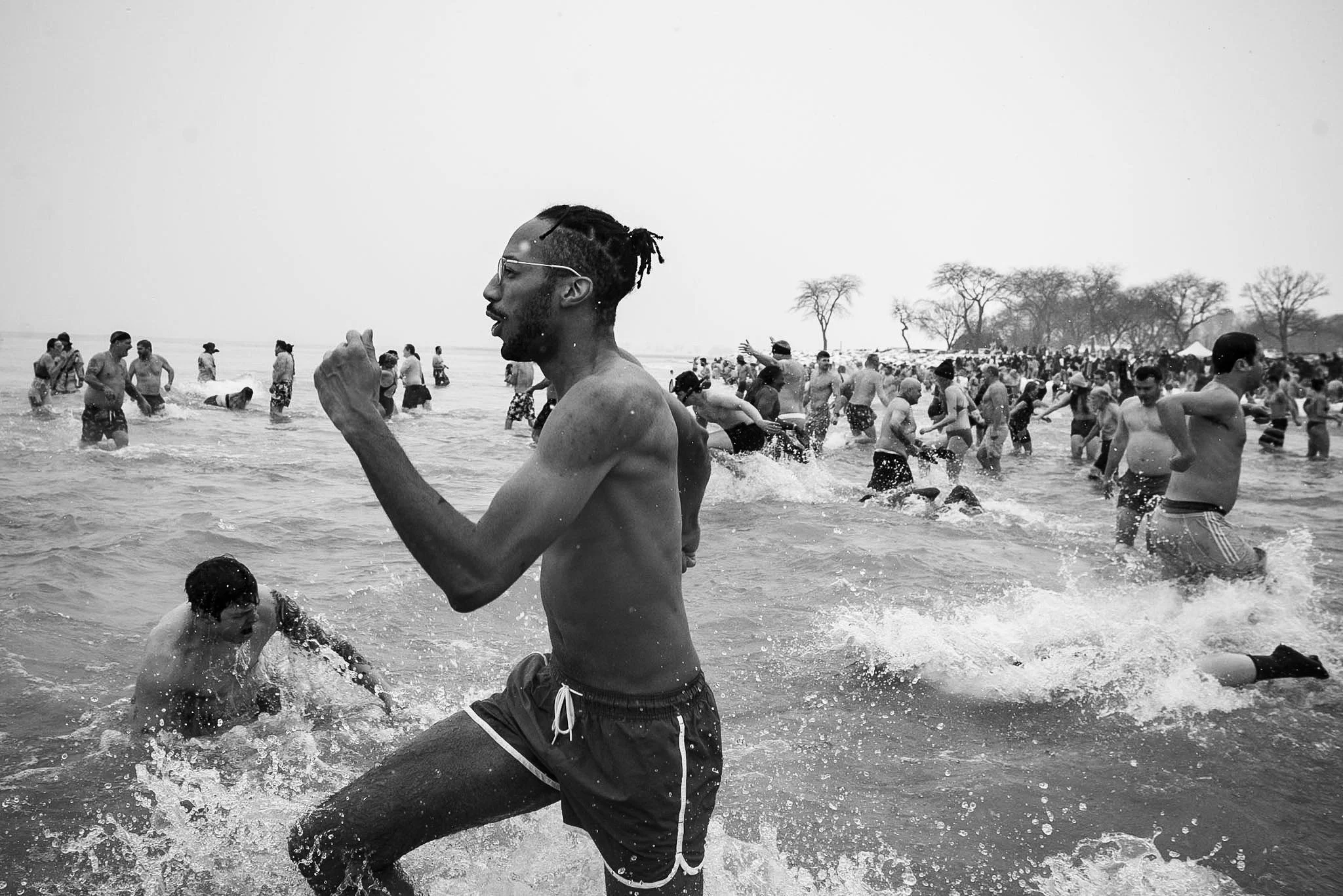
For over a century, Milwaukeeans have started their new year the hard way. André Saint Louis has spent the last four years documenting the chaos, the cold, and the characters who keep coming back.
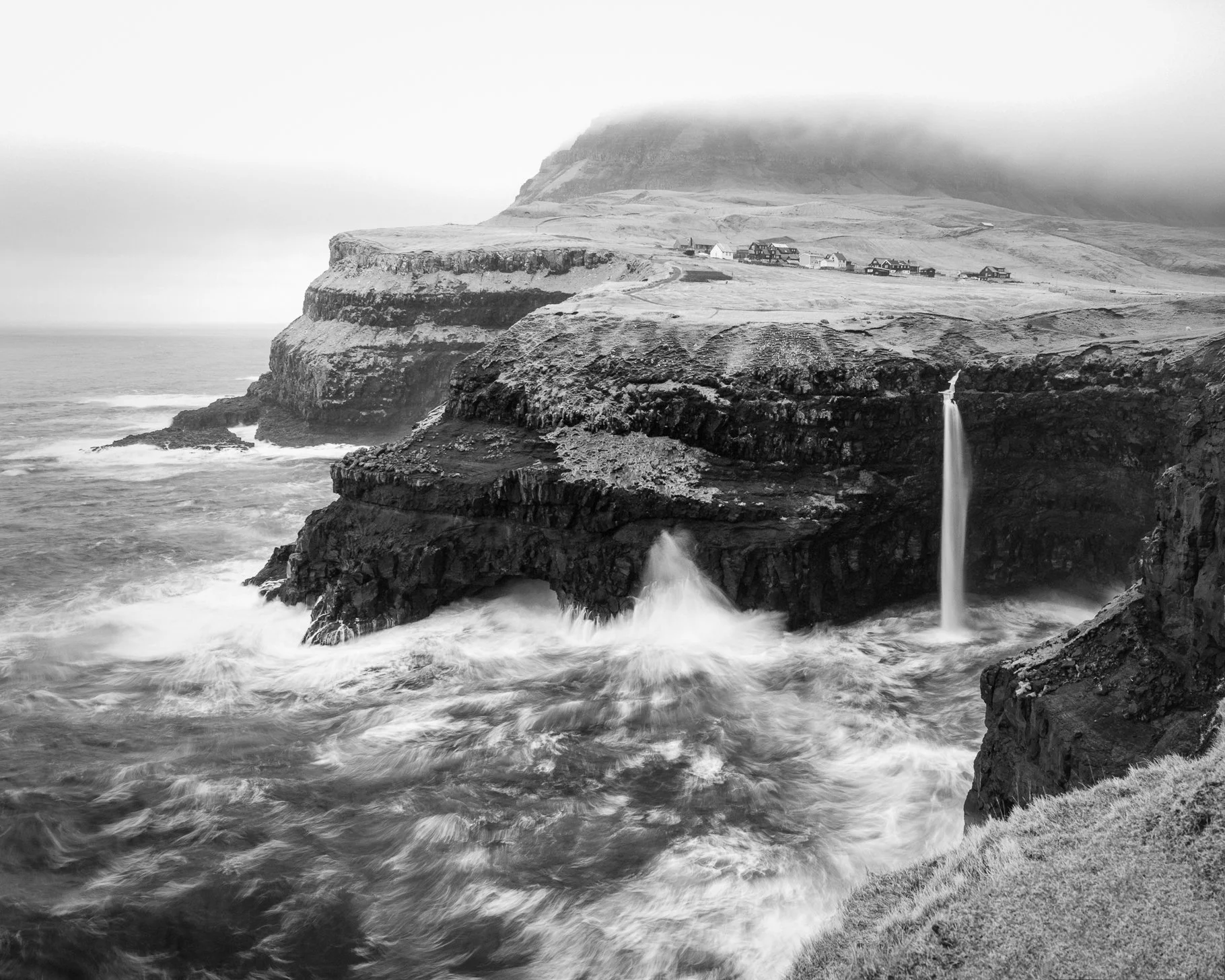
There is a particular kind of photograph that does not reveal itself immediately. You make it, file it away, move on. Years pass. Then one day you return to it and something has changed, not in the image, but in you. Flora van Wageningen returned to her Faroe Islands photographs seven years after making them. In black and white, they told a different story.
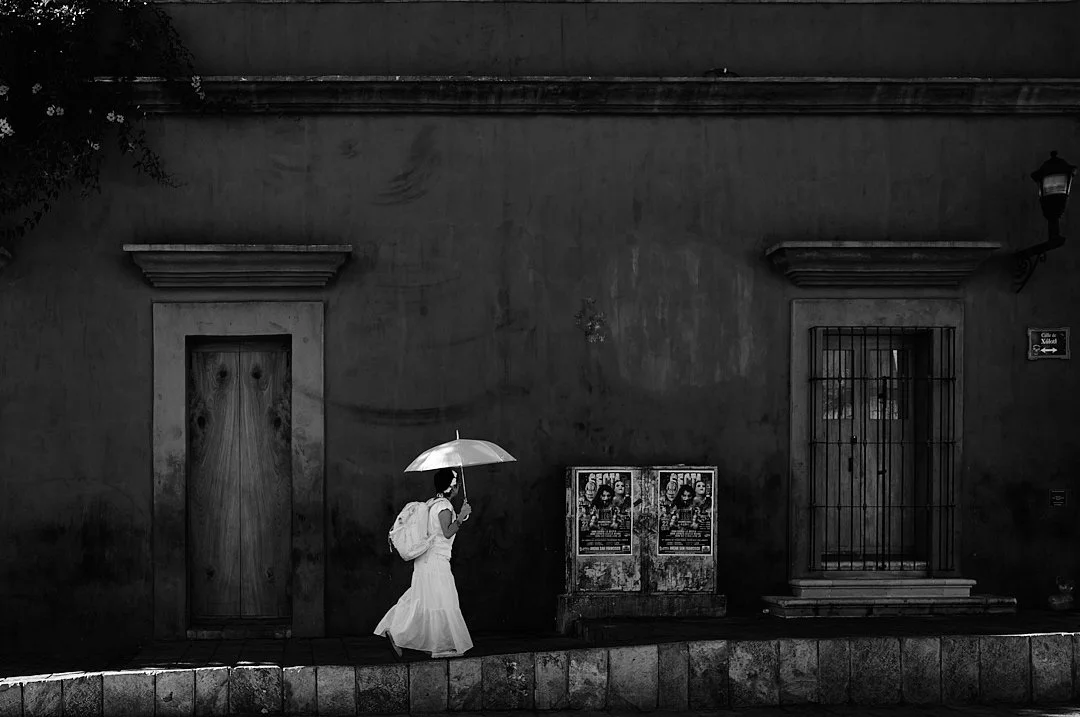
Ten days. Ten images. One singular pursuit of light. This series explores the quiet drama of Mexico’s streets and the power of finding the "main character" within the shadows.
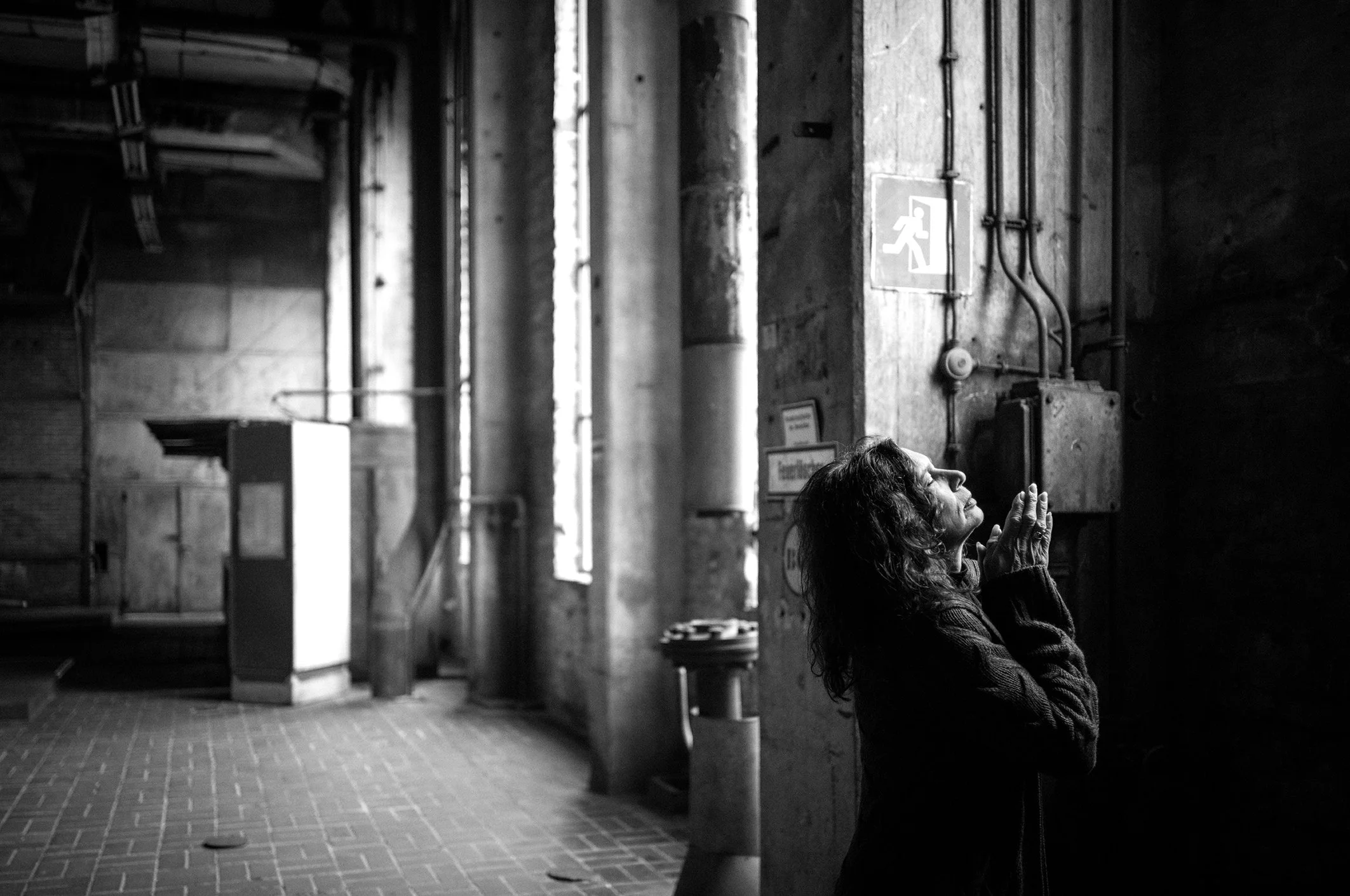
In a frozen power station on the Baltic Sea, Bernhard Brause and his partner Brigitte capture a timeless story of light, shadow, and industrial isolation.
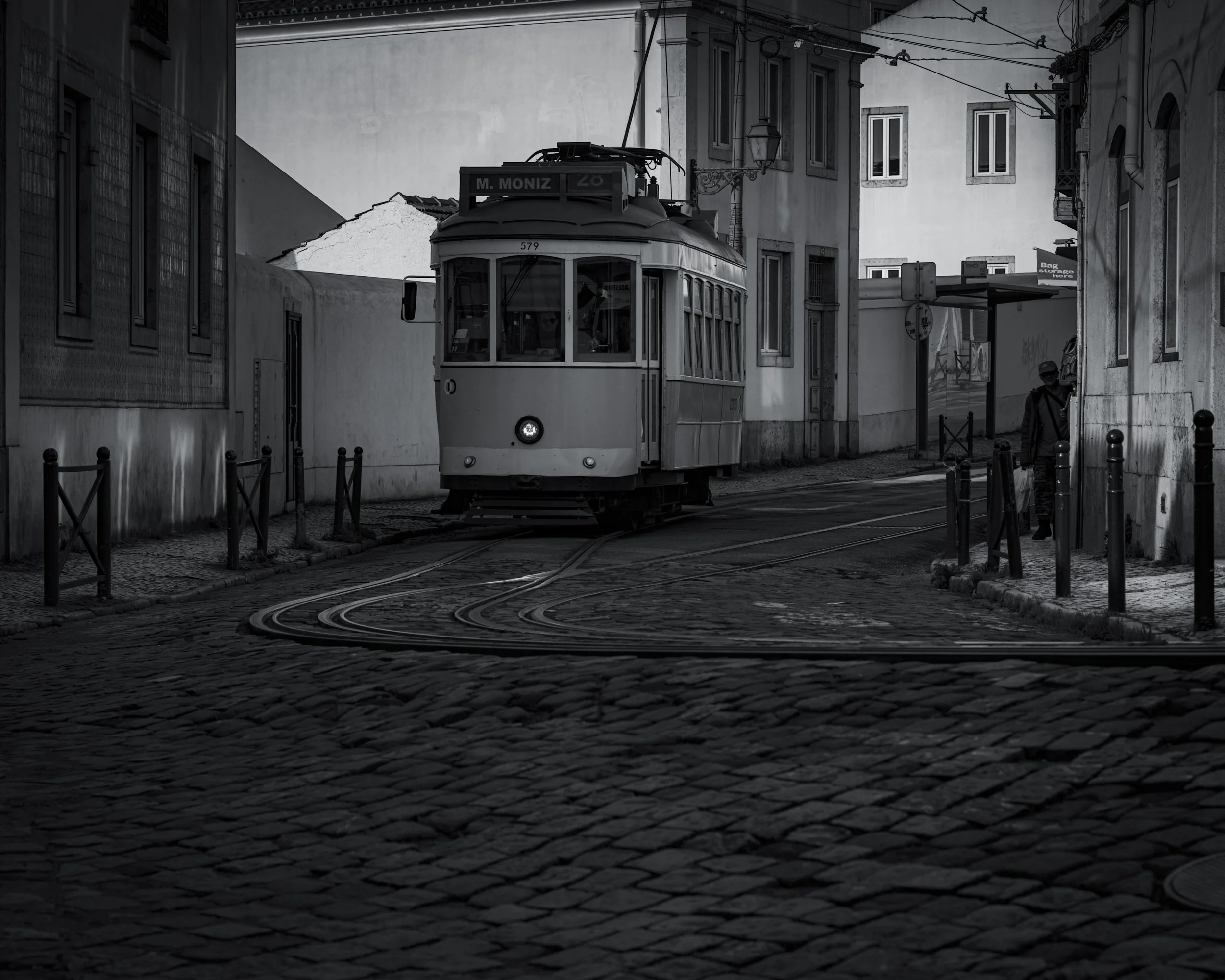
From the tech hubs of Porto to the historic cobblestones of Lisbon, Pedro Belo’s journey is one of "wandering and waiting." In this photo story he explores why he strips away the "distraction of color" to capture the pure, unscripted essence of Lisbon’s most iconic neighborhoods.
In a dim kitchen in Costa Rica, photographer Peter Westra captured a portrait that balances darkness and redemption. His subject a writer from Devon confined indoors by illness meets the viewer’s gaze with quiet defiance. Inspired by Richard Avedon’s Beekeeper, the image transforms pain into presence, shadow into grace. It’s a testament to endurance and the healing power of light.
In the heart of Africa, work is more than a means of survival it’s an act of identity. Through environmental portraiture, Portraits of Survival captures the quiet strength of those who transform necessity into purpose.
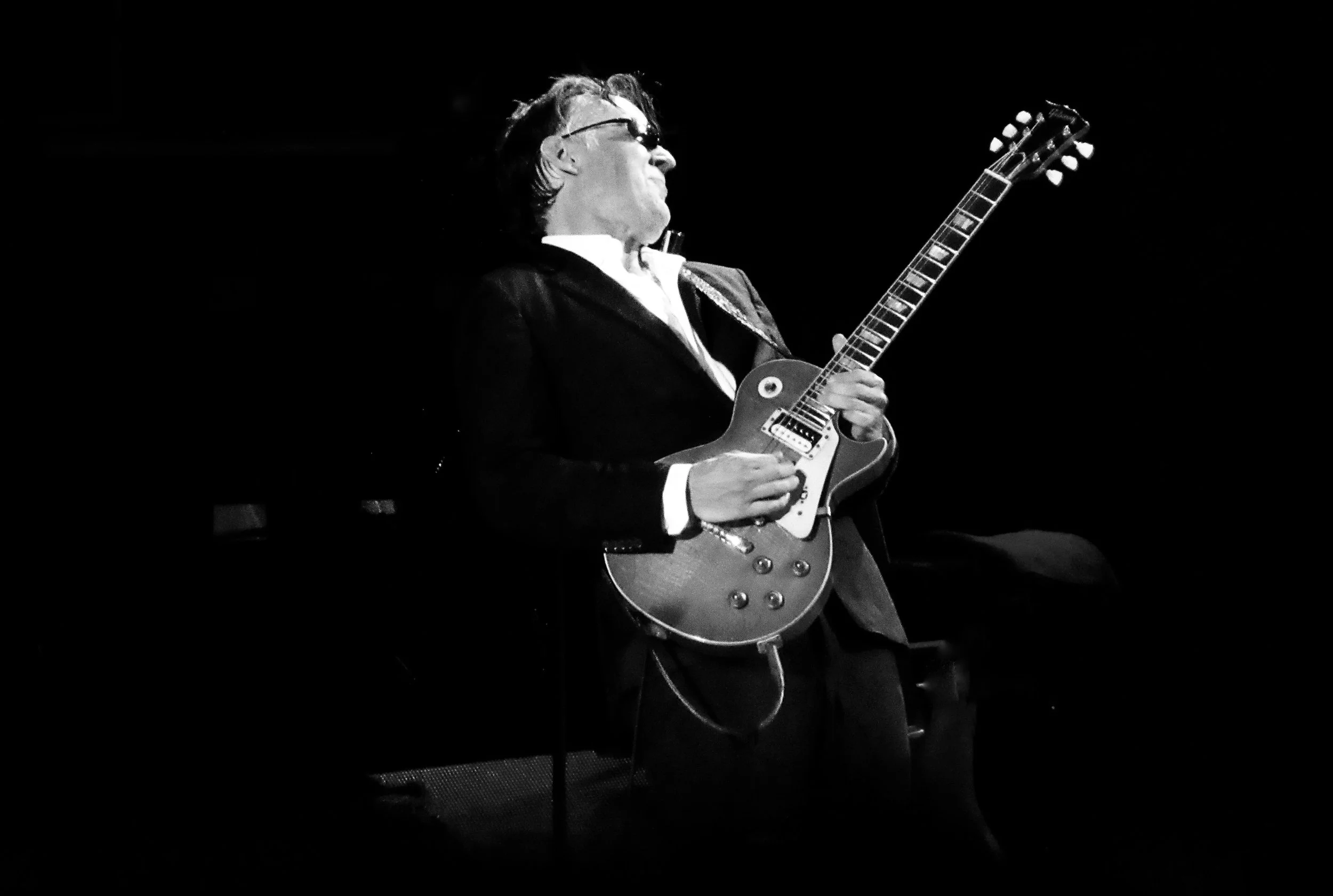
Neil Silk's wife gave him tickets to see Joe Bonamassa at the Royal Albert Hall for Christmas 2023. No professional gear was allowed so he brought a £50 Canon compact he had picked up secondhand. Security laughed. His phone would have been worse. Back at the hotel that night scrolling through blurry unusable frames his heart began to sink. Then one image appeared on the screen.
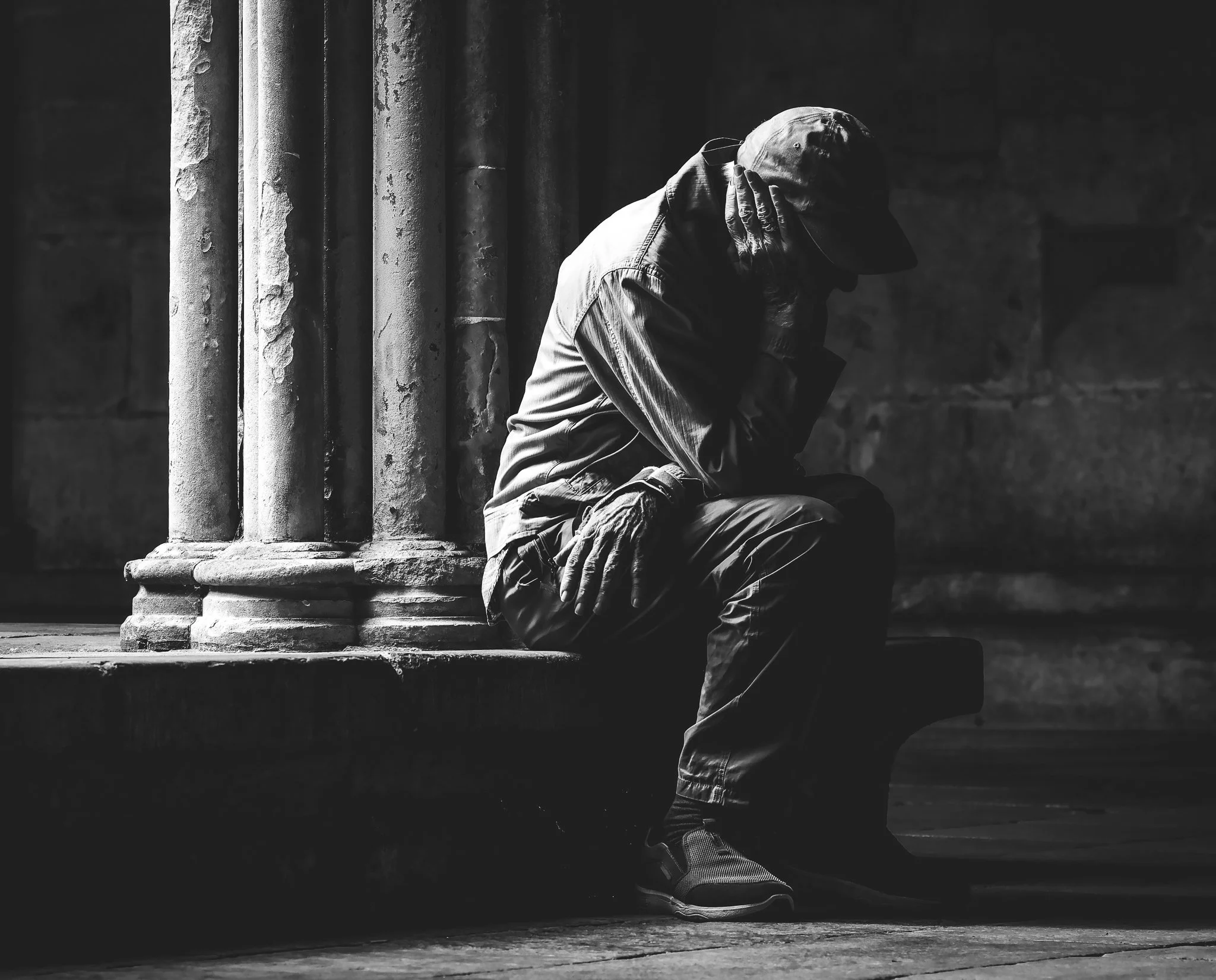
Phil Anker always takes in Salisbury Cathedral on his photo walks because of what the light does in the cloisters at different times of day. One afternoon a man sat on a corner wall with beautiful light falling on him and Phil sat down on the low wall opposite, opened his flip screen, and waited. Tourists kept walking through the frame. The man kept his position. Then the moment arrived. Shortly after he stood up and it was gone.
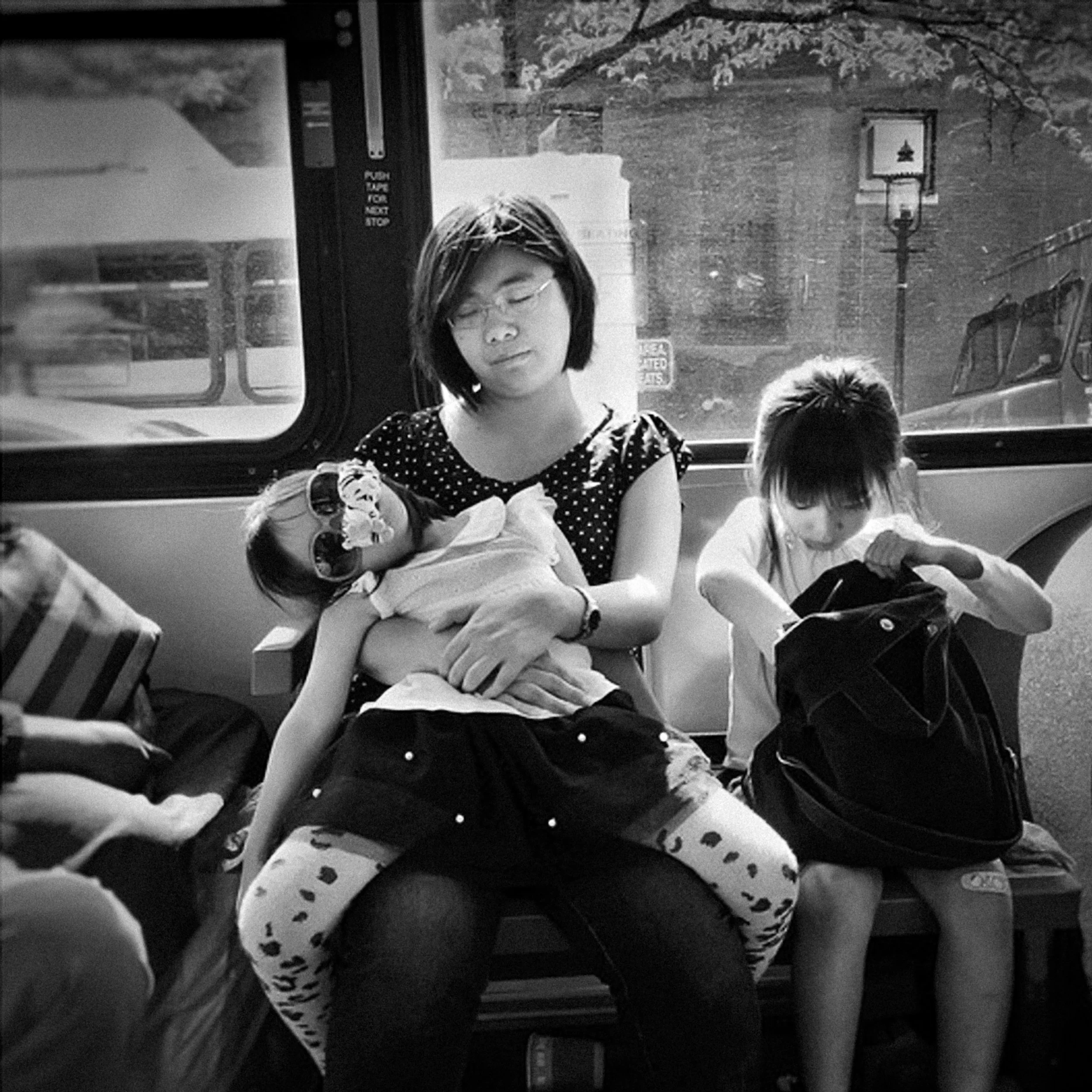
Shane Guidaboni was riding the 66 bus through Brookline in 2015 when he noticed a mother asleep across the aisle, one daughter out cold on her lap, the other wide awake and quietly going through her purse. He had no camera. He had an iPhone 6s and about thirty seconds of soft afternoon light coming through the bus windows. Ten years later the image still feels emotionally complete to him.
It started with a used photography book and an invitation for coffee. By the end of the conversation Claudia had shared something she rarely told anyone. A few days later she was standing in a studio. What happened between them that day is what true portrait photography looks like when it is done with honesty, patience, and complete respect for the person in front of the lens.
For nearly twenty years Tamas Kereskenyi could not walk through this square without feeling the weight of it. Anger. Helplessness. The suffocating atmosphere of a political reality that had frozen the place into a symbol of absolute power. Then history changed. He came back for the first time not as a protestor but as a citizen rediscovering his city. And that is when the mist rose from the pavement.
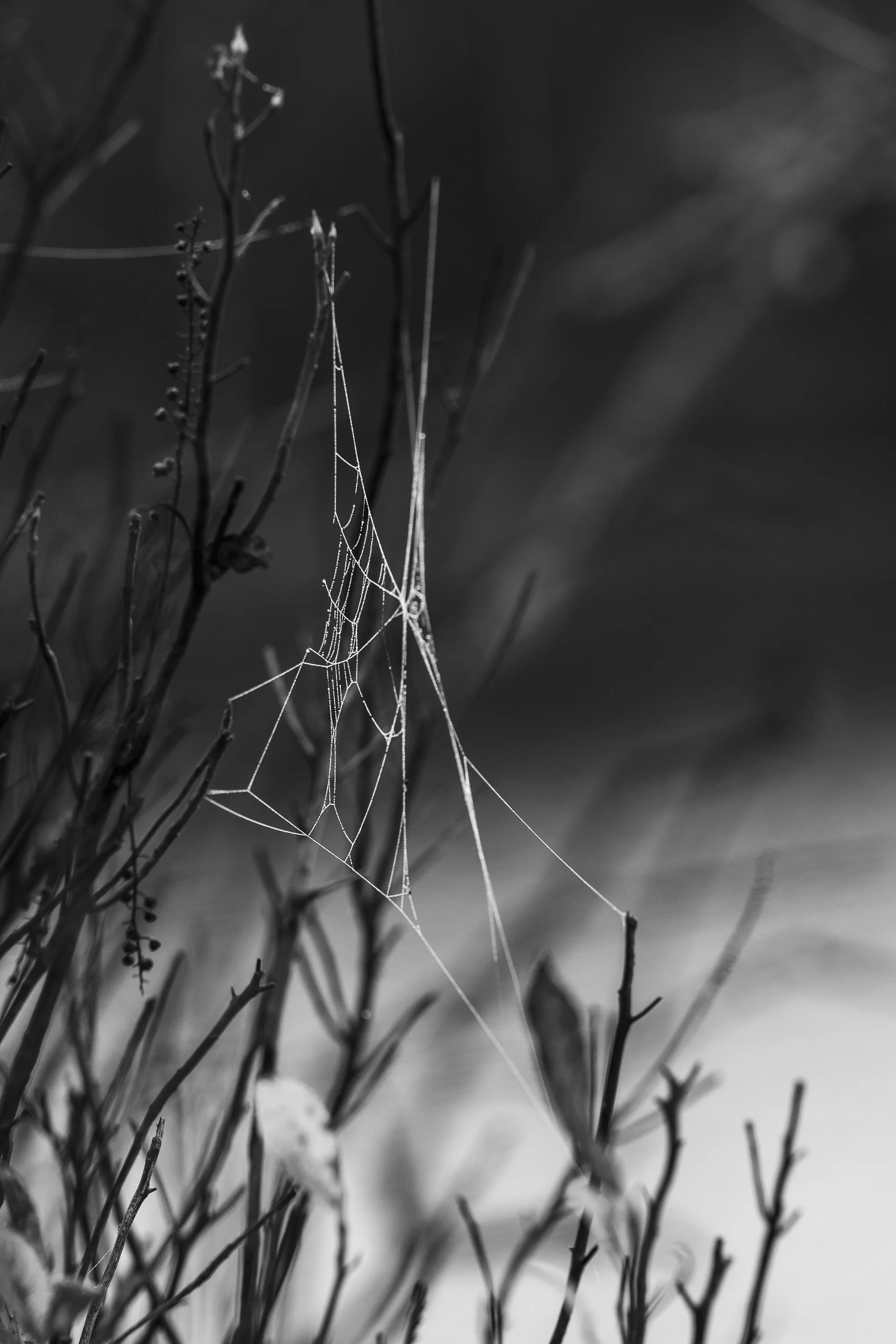
Peggy Becker walked into a salt marsh on Martha's Vineyard one early morning carrying her camera and a heavy heart. She was thinking about rising seas and a warming world. Then she found a spider's web in the last of the light and everything shifted.
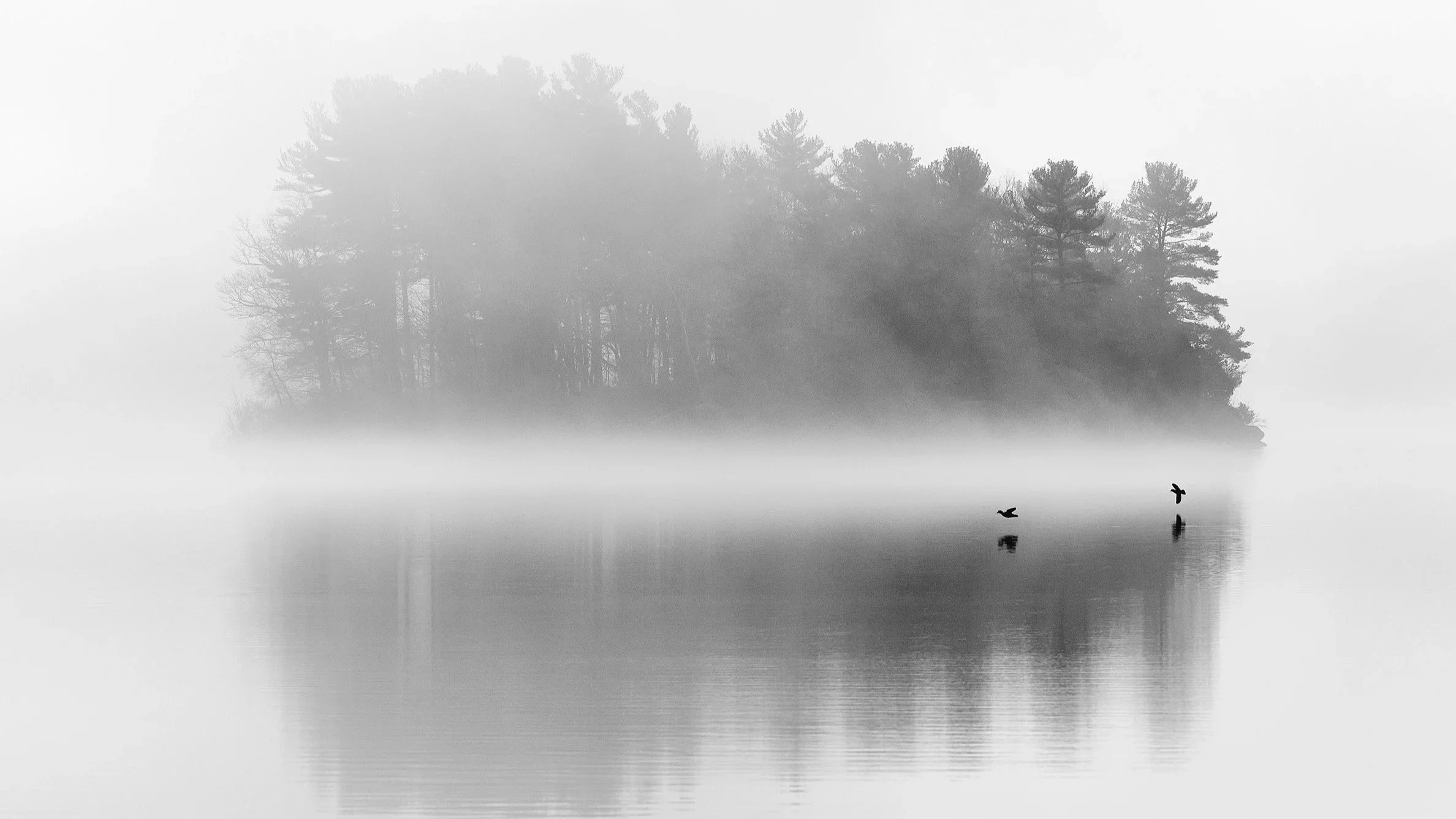
Darren Pellegrino had been passing Spot Pond on his way to his Boston studio for years, waiting for the right conditions. One foggy January morning with six inches of fresh snow on the ground and his hands freezing he finally pressed the shutter. This is the story behind the shot.
Steven Sosa has been at it long enough to know that the style you develop is not something you plan. It is something you discover through practice and persistence and the willingness to keep going even when the motivation is hard to find. He shoots street on a Fujifilm X-Pro 2, X100V, Ricoh GR3, and a brand new Leica M10P. We asked him about the journey, photographing New York City, and why the spontaneous shots are always the best ones.
Kevin Delajoud came to photography through architecture and urban spaces and has never really left. His work is built on geometry, negative space, and the particular kind of emptiness that says something true about how people move through cities without ever really seeing them. He shoots with a Canon R7, edits minimally in Photoshop, and has been taking his eldest son on photo walks since the boy was three years old. We asked him about all of it.
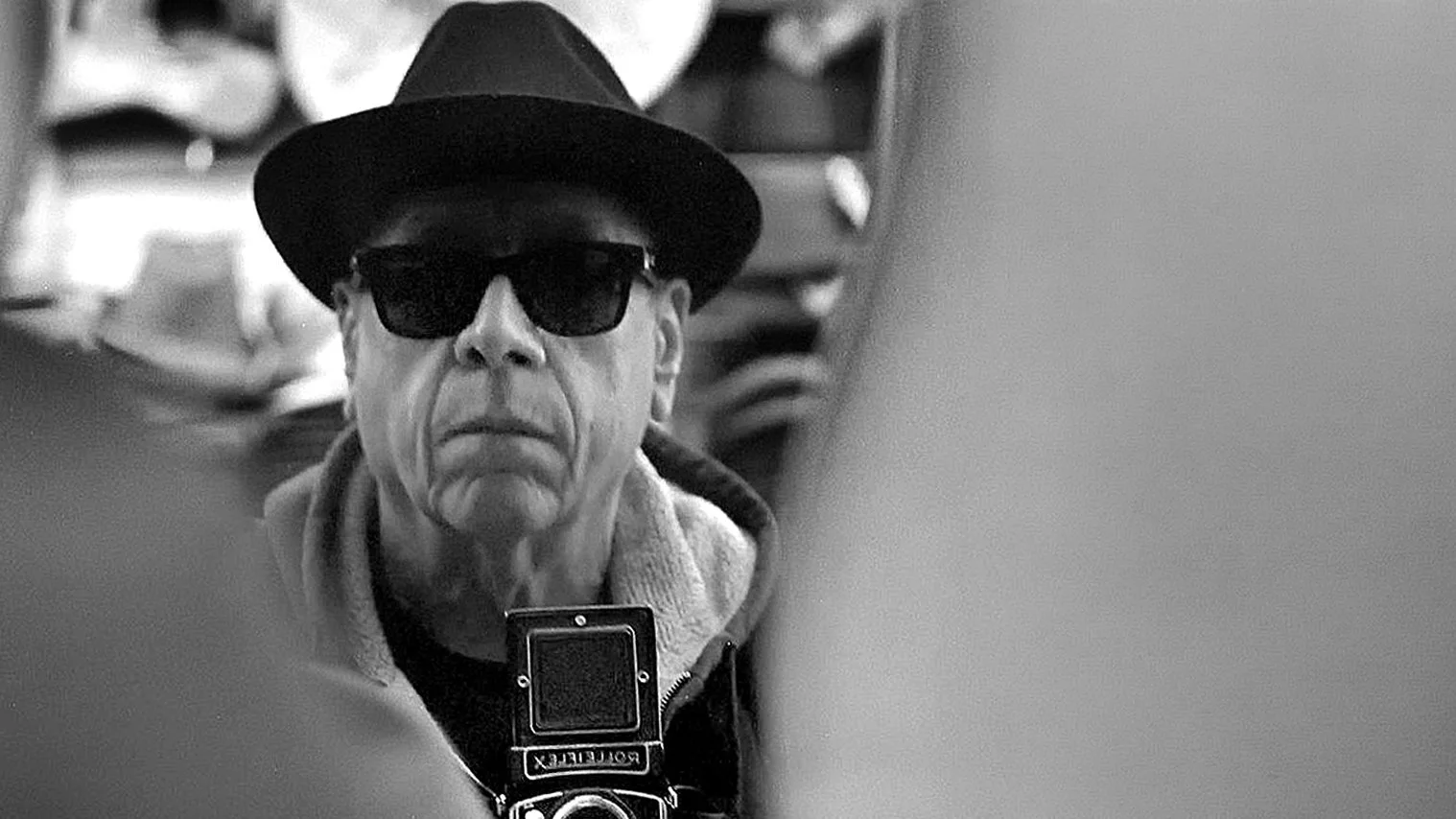
Stephen Uhraney has been photographing real life for over 40 years and he still does not feel like it is work. The Toronto based documentary and street photographer shoots film and digital side by side, embeds with firefighters and police marine units, and carries a Rolleiflex alongside his digital gear. We asked him about the box camera his grandfather brought from the old country, why black and white lets the truth breathe, and what he would tell his younger self.
Bettina Kardel came to photography during the pandemic and found her way to street photography almost immediately. Her work is minimalist, graphic, and built around the geometry of urban spaces. She shoots with prime lenses and a Leica Q3 Monochrom and is currently working on her first photo book. We asked her about all of it.
Matt Hodson calls his style post-street. Not the decisive moment but the moment after. Not the person but the space they left behind. It sounds like a stylistic choice. It is also a philosophy that grew directly out of grief. Here is the photographer behind it.
Kirill Baranovskiy on street photography, shooting spontaneously, and why the best photographs tell their own story.
Robert Stacy has spent his career pointing his camera at the things the world would rather look away from. Reproductive rights, civil rights, homelessness, economic justice. Not because it is comfortable but because he believes photography can change things. We talked to him about dignity, spontaneity, and why he always walks back the way he came.
In each edition of Photographer Spotlight, The Monochrome Collective sits down with a featured artist to uncover their story how they see, what inspires them, and the creative choices that define their black and white work.
In each edition of Photographer Spotlight, The Monochrome Collective sits down with a featured artist to uncover their story how they see, what inspires them, and the creative choices that define their black and white work
Moriyama scuffed the gloss off the modern city, turning blur, grain, and glare into a language of sensation. This piece unpacks the ethos of are bure boke and offers concrete ways to chase that feral electricity on your own walks.
sharpen your craft and connect with the community
Behind The shot With Tamas Kereskenyi
For nearly twenty years Tamas Kereskenyi could not walk through this square without feeling the weight of it. Anger. Helplessness. The suffocating atmosphere of a political reality that had frozen the place into a symbol of absolute power. Then history changed. He came back for the first time not as a protestor but as a citizen rediscovering his city. And that is when the mist rose from the pavement.
Give the Eye Somewhere to Land
The eye is not passive when it looks at a photograph. It is always moving, always searching, always trying to find the thing it is supposed to look at. Your job is to make that search as short as possible and the destination as inevitable as possible. Here is how.
A Photo Story: Almost Broken
Jami Azad is a filmmaker based between Los Angeles and Karachi who photographs as therapy. Almost Broken is the work that came from years of looking for the same thing in two countries on opposite sides of the world. The face that has not yet given up. And the one that has.
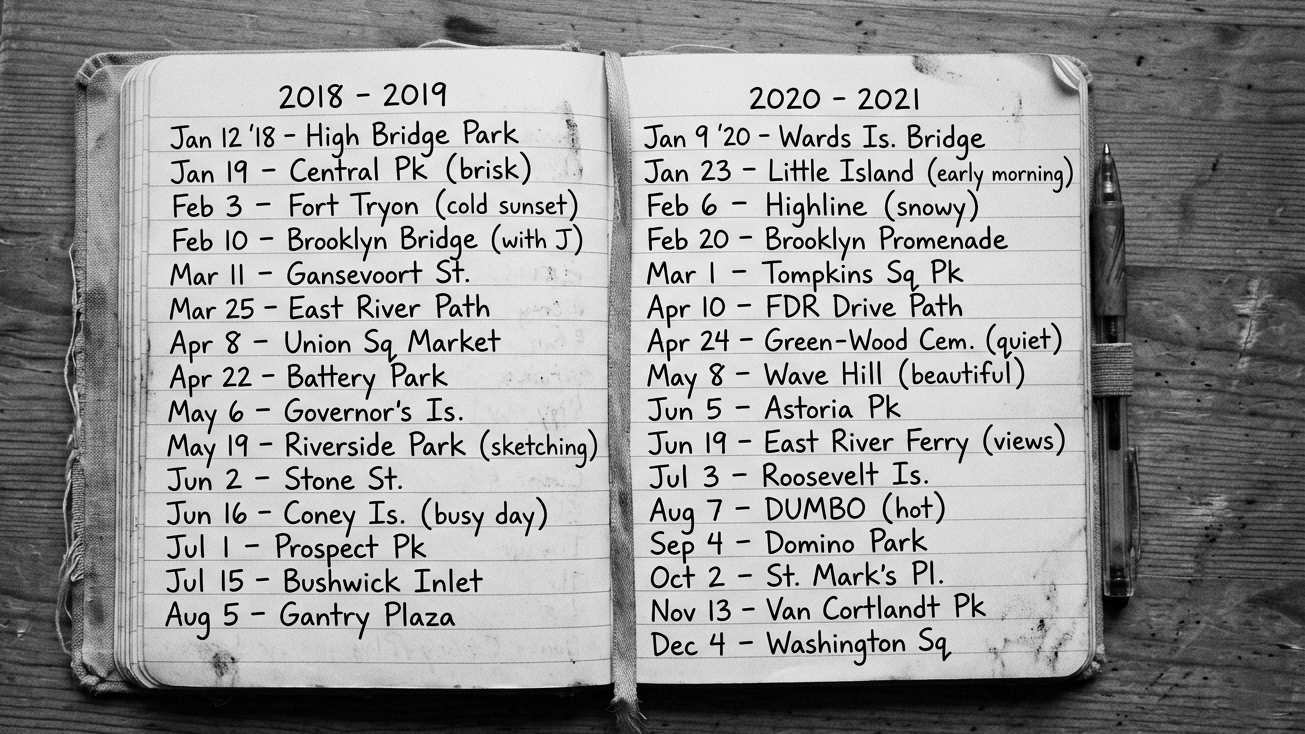
Build the Practice. Everything Else Follows.
A regular photography practice is not about producing great work every session. It is about showing up consistently enough that the eye keeps developing, the instincts keep sharpening, and the camera starts to feel like an extension of how you see rather than a tool you pick up occasionally. Here is why that matters and we want to know what yours looks like.
Why Every Photographer Should Shoot Outside Their Genre
Most photographers stay in their lane because it feels productive. The street photographer shoots streets. The landscape photographer shoots landscapes. The skills keep building and the work keeps improving. Until it stops. Here is why shooting outside your genre is one of the most effective things you can do to start growing again.
Photographer Spotlight: Kevin Delajoud
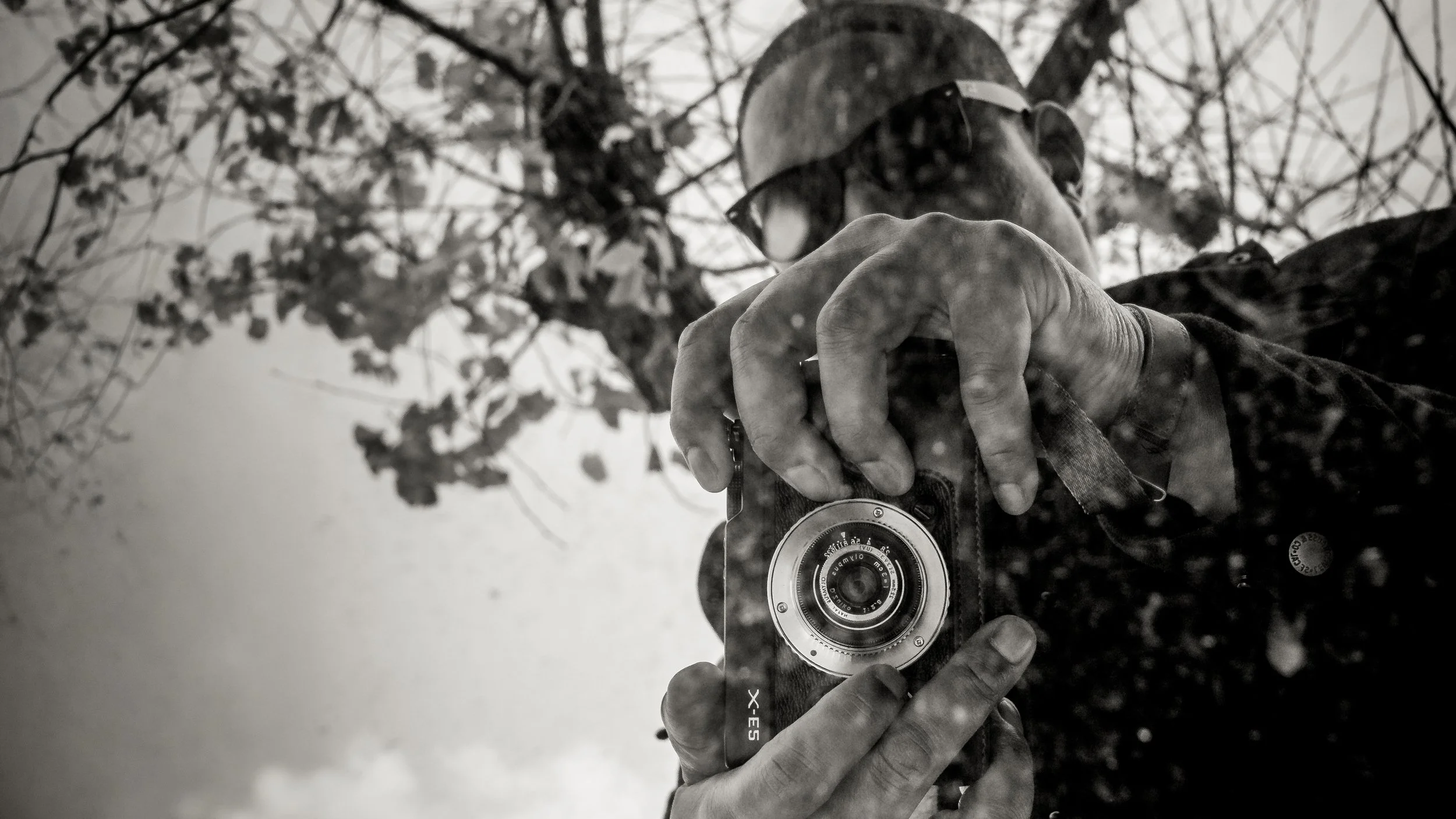
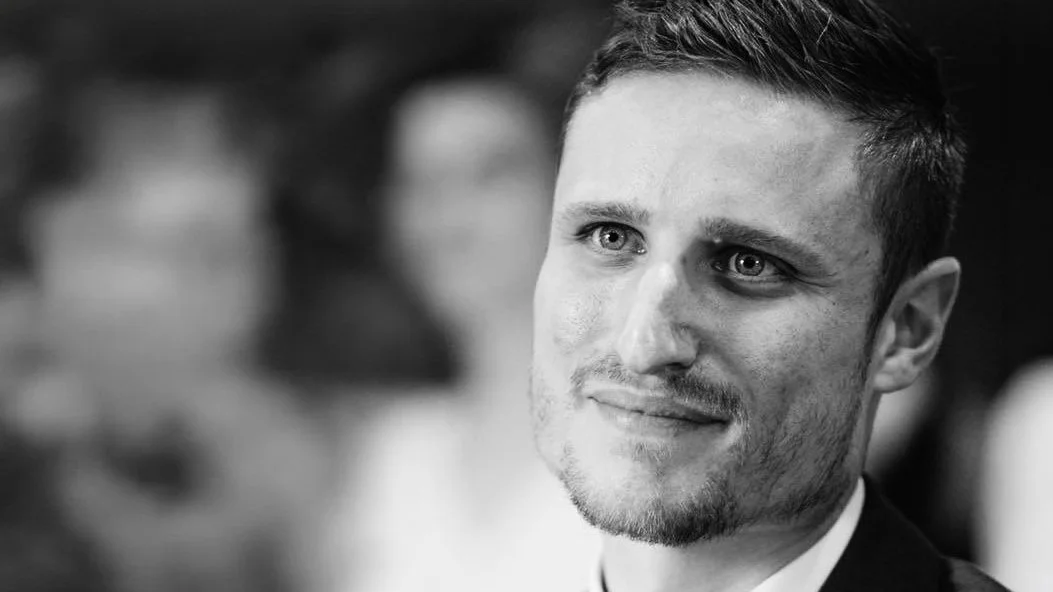
Kevin Delajoud came to photography through architecture and urban spaces and has never really left. His work is built on geometry, negative space, and the particular kind of emptiness that says something true about how people move through cities without ever really seeing them. He shoots with a Canon R7, edits minimally in Photoshop, and has been taking his eldest son on photo walks since the boy was three years old. We asked him about all of it.
Weekly News Roundup
A quieter week on the big camera announcement front but plenty worth paying attention to. A nearly forgotten Dorothea Lange archive just went free online, Leica pushed a meaningful firmware update to the Q3 family, and several new lenses landed that are directly relevant to monochrome shooters.
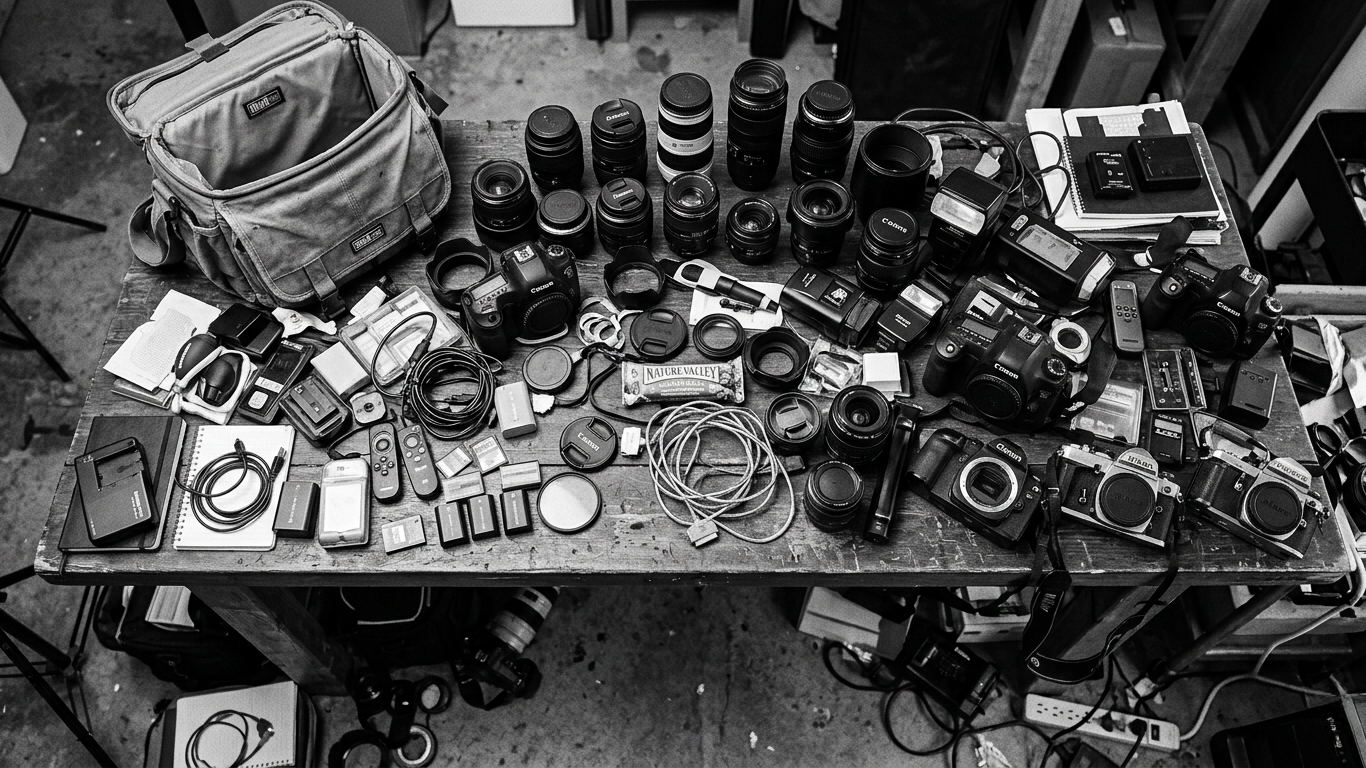
What Your Camera Bag Says About You
You can tell a lot about a photographer from their camera bag. Not from what camera is inside it. From the bag itself. What is in it, how it is packed, and what is wedged into the side pocket that has absolutely no business being there.
A Photo Story: Derailed
In July 2022 Dustin Mullin stopped in Green River Utah to buy groceries. The grocery store was immaculate. Fully stocked. Carefully maintained. In a town where businesses had been closing for decades someone still cared deeply enough to keep the shelves full. That detail stayed with him for four years. When he came back with a camera he had one question. What keeps people here when everything else seems to have moved on.
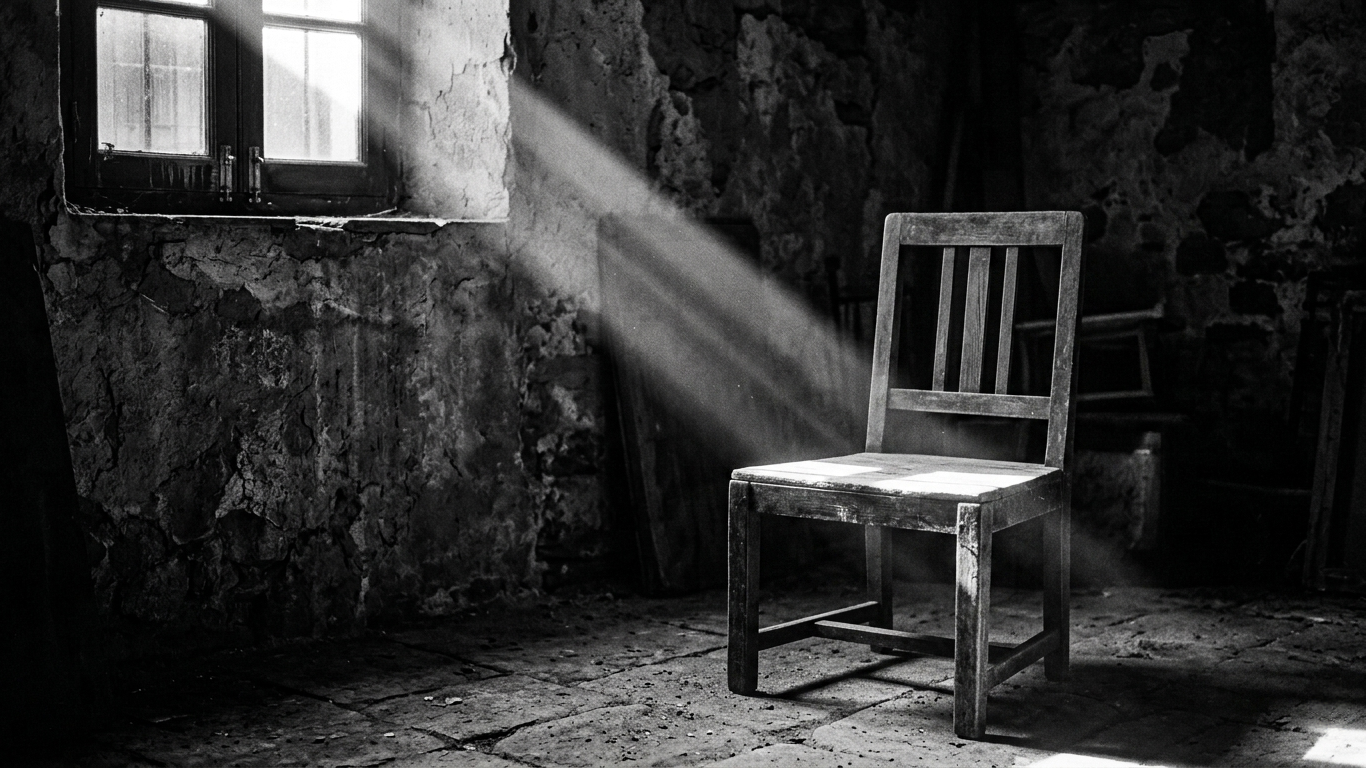
Light Is Not Your Subject
Photographers talk about light constantly. The golden hour. The quality of winter light. Chasing the light. But light is not your subject. It is the language you use to describe your subject. Here is why that distinction matters more than you might think.
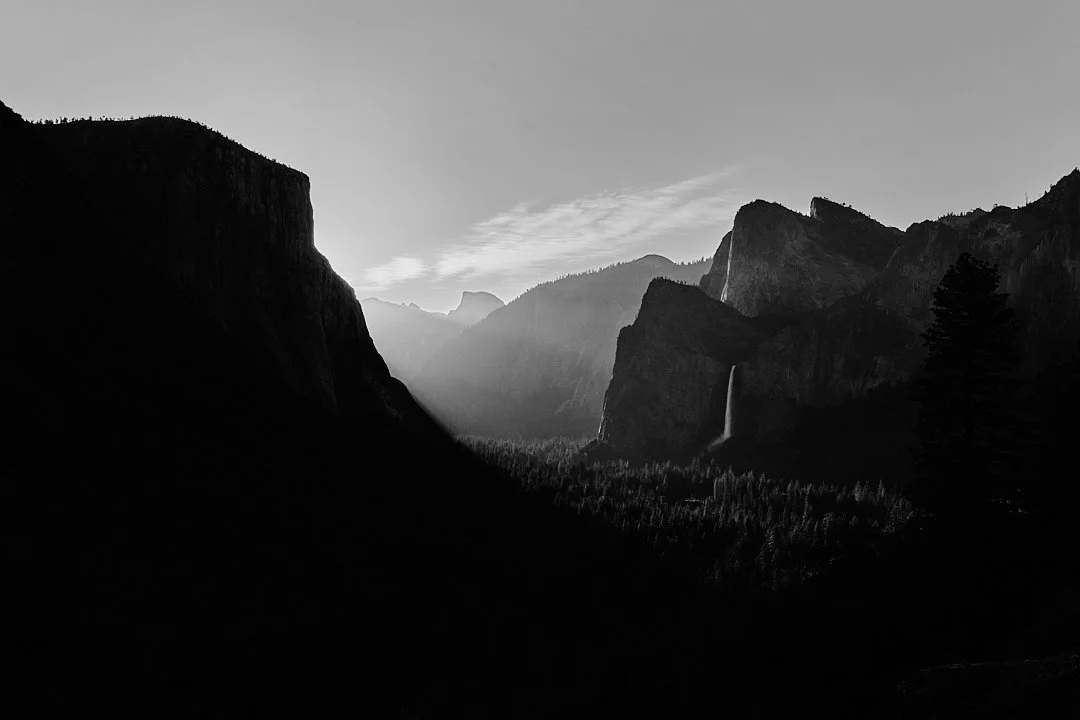
Every Landscape Has Characters. Are You Finding Them?
Most landscape photographs are beautiful descriptions. They show you what a place looks like. But description is not story. Here is how to find the characters in your landscape, let light define them, and build something the viewer cannot look away from.
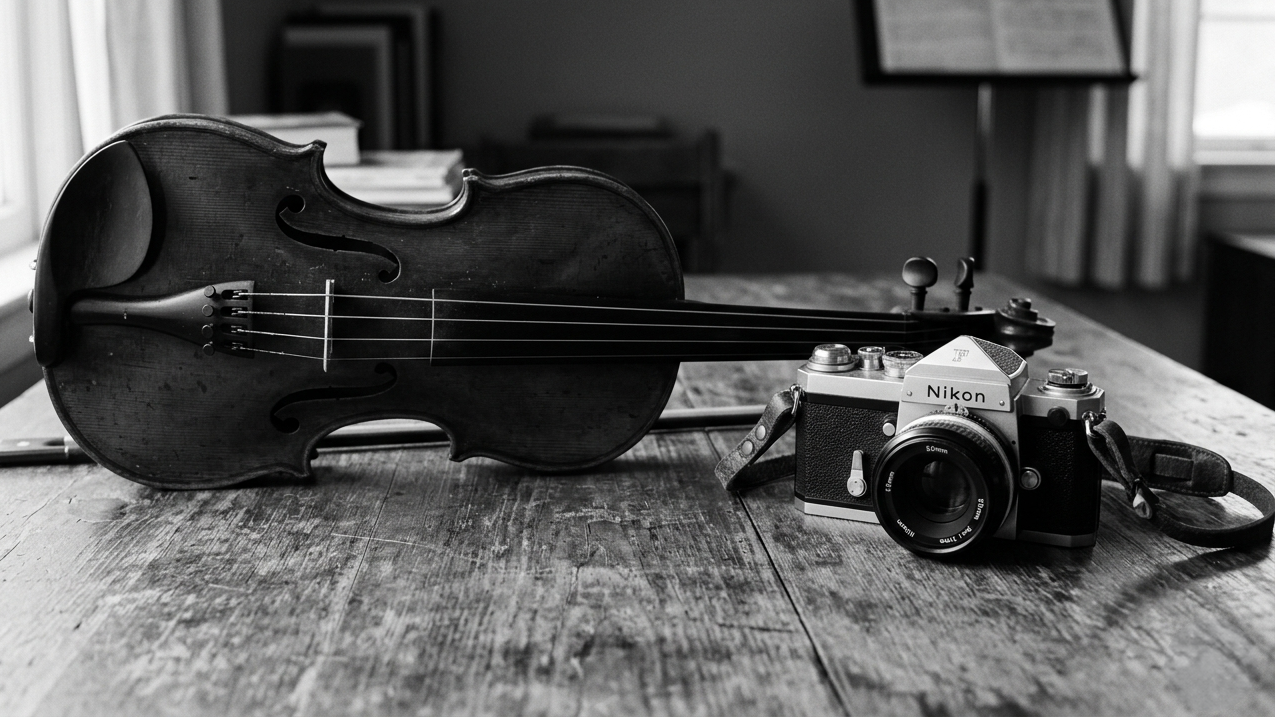
A Violin Doesn't Make Music
Two violinists can play the same instrument on the same night in the same hall and produce completely different things. Two photographers with identical cameras standing in the same place make completely different photographs. The camera is not the variable. You are.
Jami Azad is a filmmaker based between Los Angeles and Karachi who photographs as therapy. Almost Broken is the work that came from years of looking for the same thing in two countries on opposite sides of the world. The face that has not yet given up. And the one that has.