
The Man Who Wanted to Photograph Everyone
August Sander spent a lifetime photographing everyone. What he was really after was something far more radical than a portrait.
August Sander had a simple idea. He wanted to photograph the German people. All of them. Not the famous ones. Not the beautiful ones. Everyone.
He called the project People of the Twentieth Century. He spent most of his life on it. He never finished it. And in not finishing it, he created one of the most important bodies of work in the history of photography.
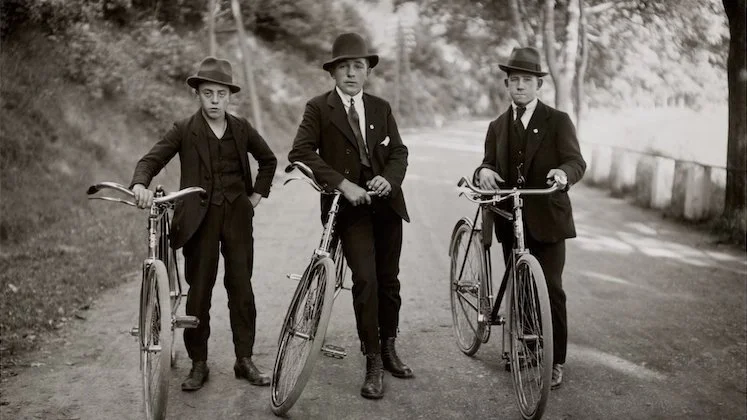
Sander was born in 1876 in a small mining village in Germany. He taught himself photography as a teenager, borrowing equipment from a local mine. There was no formal training, no school, no mentor pointing the way. Just a young man with a camera and an instinct that the world around him was worth recording exactly as it was.
That instinct became a philosophy. Sander believed the camera should not flatter. It should not judge either. It should simply bear witness. His portraits are among the most direct photographs ever made. A farmer stands in a field. A pastry chef holds his tools. A circus performer looks straight into the lens. A group of young farmers walk to a dance in their Sunday best. Each image carries the same quiet authority. Each person is treated with the same seriousness. The farmer is given the same dignity as the politician. The unemployed man is given the same frame as the banker.
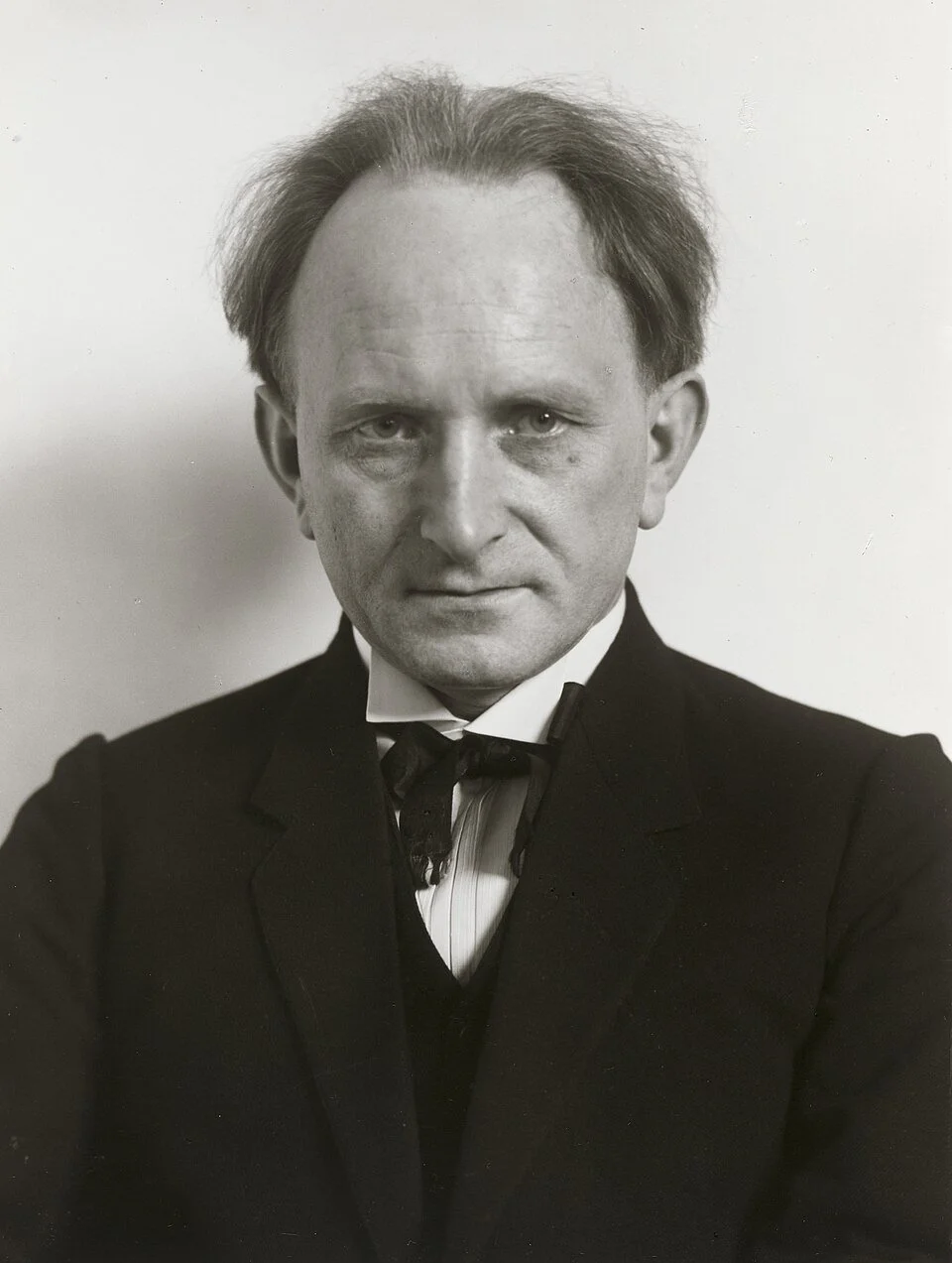
This was more radical than it sounds. Photography in Sander's era was largely in the business of elevation. It made important people look more important. Sander had no interest in that. He was after something closer to truth, and he understood that truth has no hierarchy.
Think of his archive as a giant mosaic. No single tile tells the whole story. But step back far enough and an entire civilization comes into focus. That is what People of the Twentieth Century was reaching for. Not a collection of individual portraits but a portrait of a society. A record of a world that, as history would prove, was about to be destroyed.
The Nazis burned his books. They found his work dangerous, and in a way they were right to. A body of work that insists on the equal humanity of every subject is a quiet act of resistance in any era.
If we can create portraits of subjects that are true, we thereby in effect create a mirror of the times.”
- August Sander
What Sander teaches the monochrome photographer today has less to do with technique and everything to do with intention. He was not trying to make beautiful photographs. He was trying to make honest ones. The beauty came as a consequence of the honesty. That order matters.
He also understood something about the relationship between photographer and subject that most of us are still learning. His portraits do not feel taken. They feel given. His subjects are present, composed, and entirely themselves. That is not an accident of light or lens. It is the result of a photographer who made his subjects feel that what they were, exactly as they were, was worth the frame.
The next time you raise your camera at a person, it is worth asking yourself what you are really after. A striking image, or an honest one. Sander spent a lifetime understanding that the most striking images are usually the most honest ones. The two things, in his hands, were always the same.
You can view some of August Sanders works in the MoMa Collection here. Or on Artnet.com here.
Ready to see the world differently? The Monochrome Method is a complete video course with lessons and assignments designed to help you craft compelling black and white images and build a portfolio that's unmistakably yours. Start Learning Today.
IF YOU WOULD LIKE TO IMPROVE YOUR BLACK AND WHITE PHOTOGRAPHY TRY THE LESSONS BELOW.







A Beginners Guide To Black And White Photography