
The Monochrome Triangle
Every photographer knows the exposure triangle. But there is another triangle that matters more. The one that separates a technically correct photograph from one worth looking at.
Most of us learned photography through the exposure triangle. Aperture, shutter speed, ISO. Three variables, each one affecting the others. Change one and the other two shift to compensate. Master the relationship between them and you can control how light is recorded onto a sensor or a piece of film. It is a useful framework. It is also only half the story.
There is a second triangle. We have never named it, but we have all felt it. Every time a photograph stops us in our tracks, all three points are working. Every time a photograph falls flat, at least one of them has failed. We are calling it The Monochrome Triangle, and its three points are light, composition, and story.
The exposure triangle tells you how to capture a scene. The Monochrome Triangle tells you whether the scene was worth capturing.
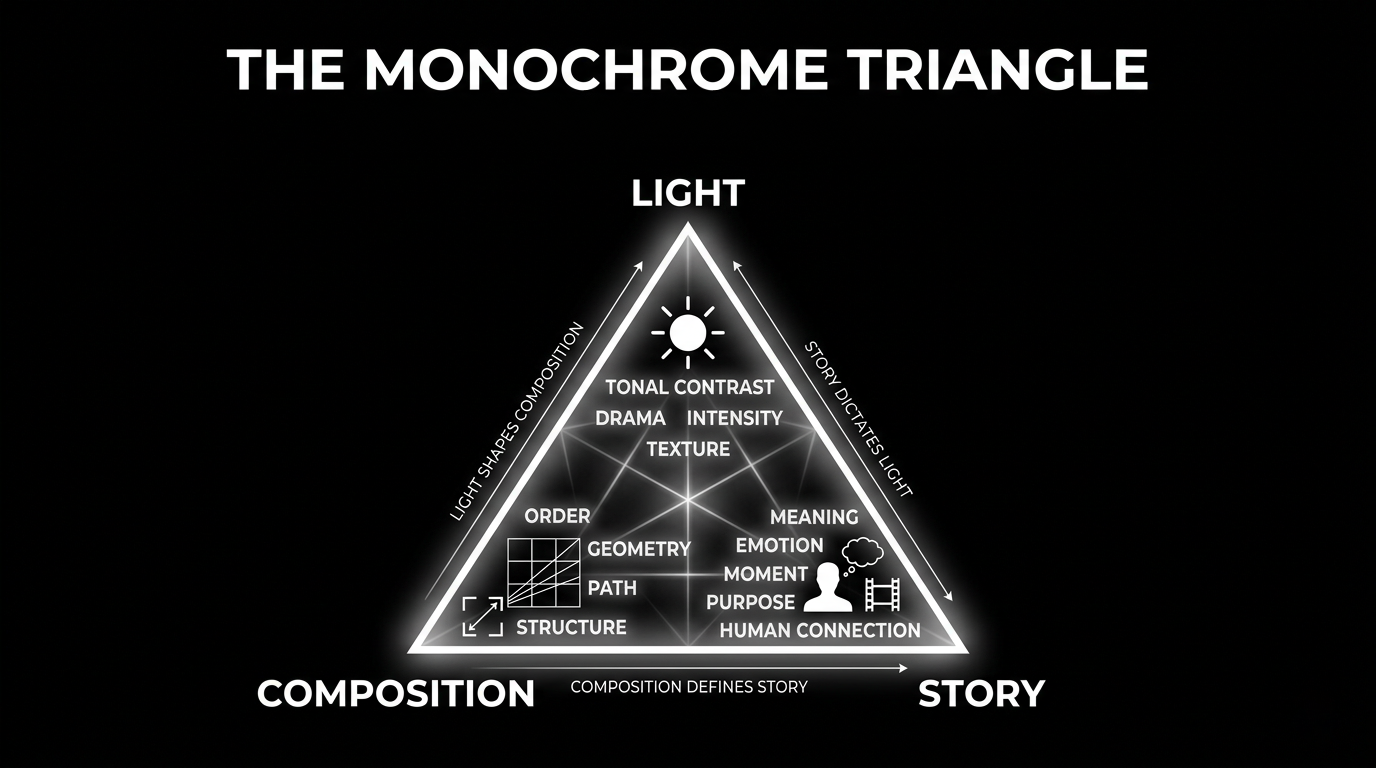
Light
Light is where everything begins. Not because it is the most important element but because without it, there is no photograph at all. Light is not just the thing that allows the camera to function. It is the material you are working with. The way a sculptor works with clay or a painter works with pigment, a photographer works with light.
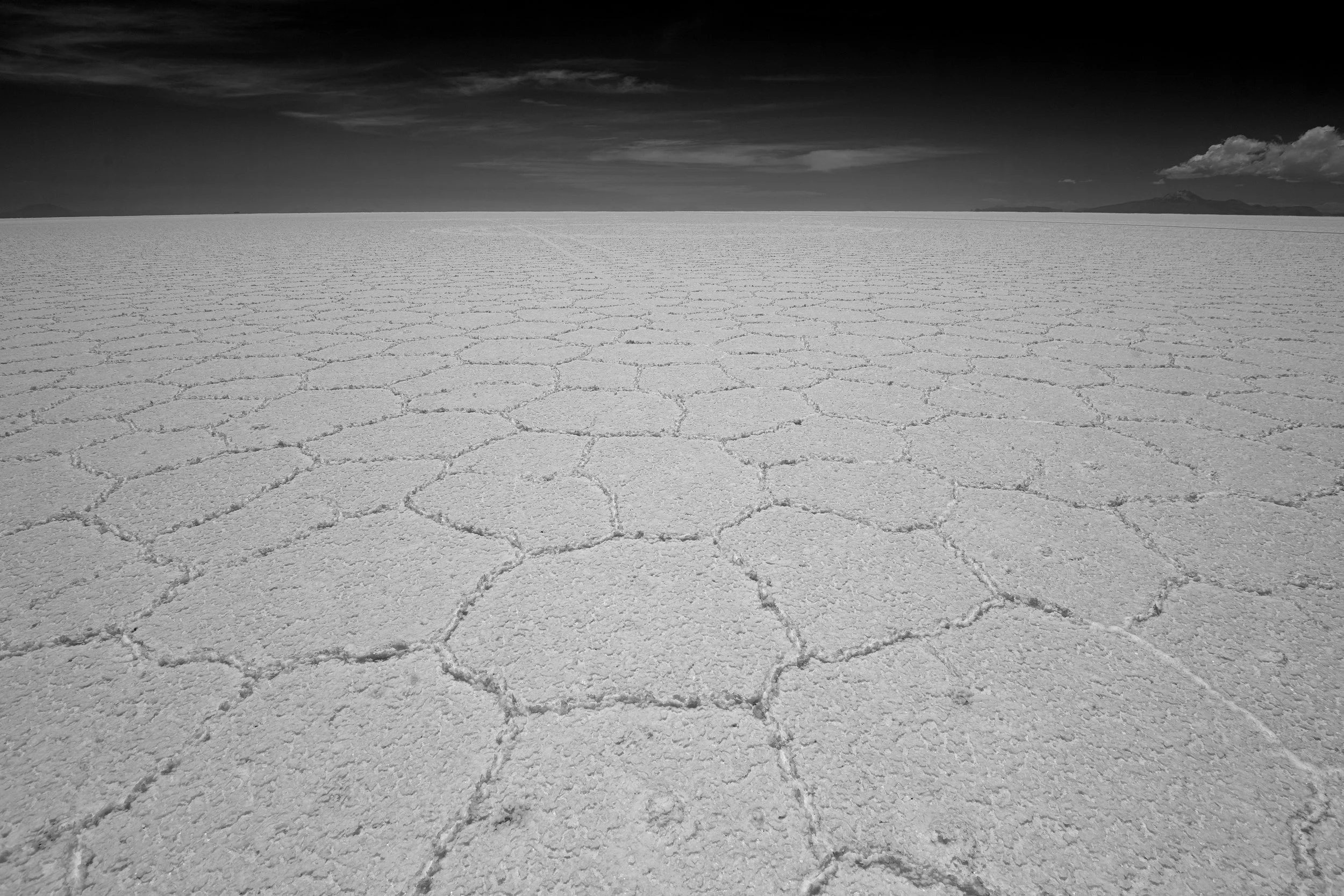
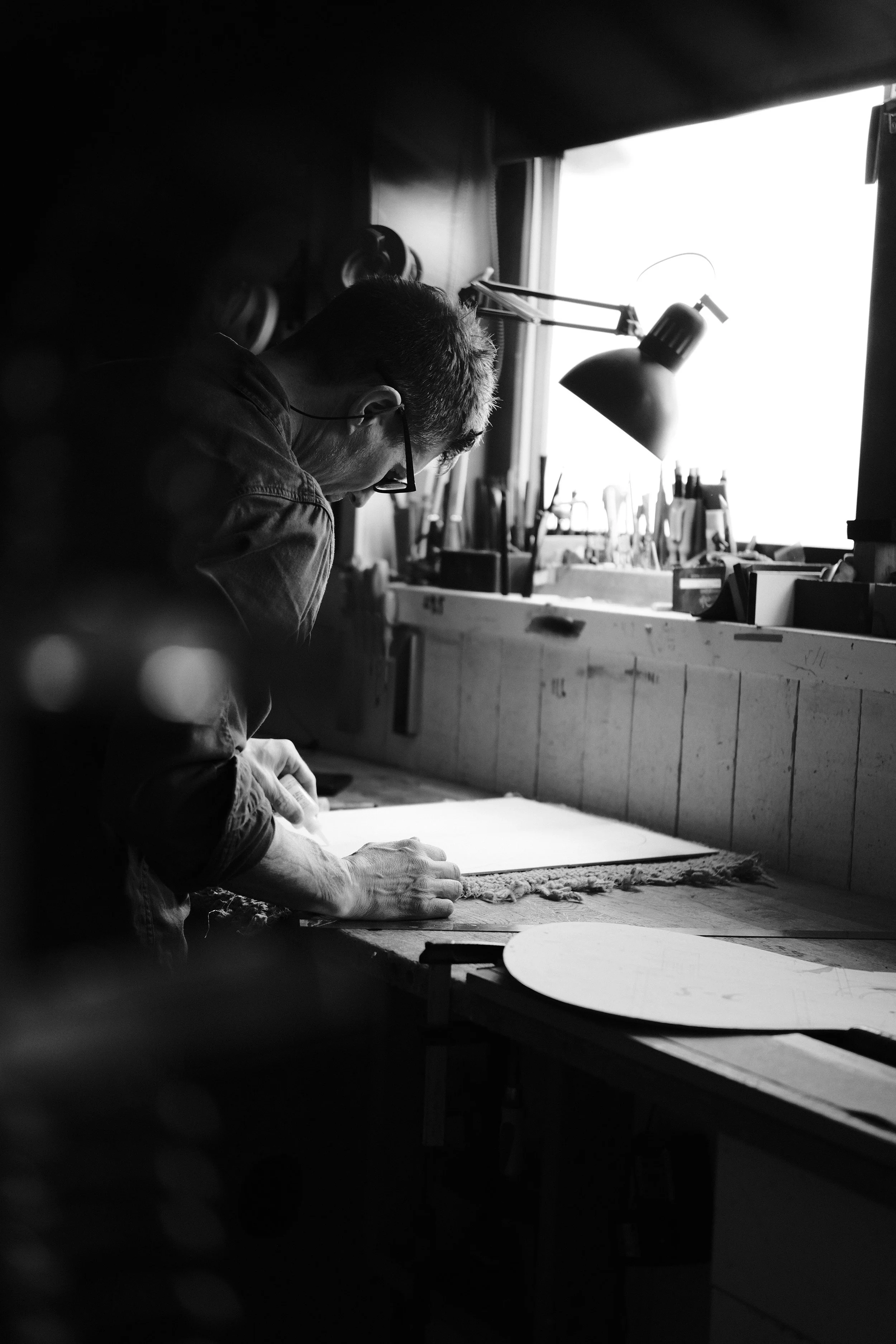
In black and white photography this becomes impossible to ignore. Color is gone. There is no warm afternoon palette to carry an image. No rich green landscape to catch the eye. What you have left is tonal contrast: the relationship between the brightest point in the frame and the darkest, and everything in between. That relationship is determined entirely by light. Its direction. Its quality. Its intensity.
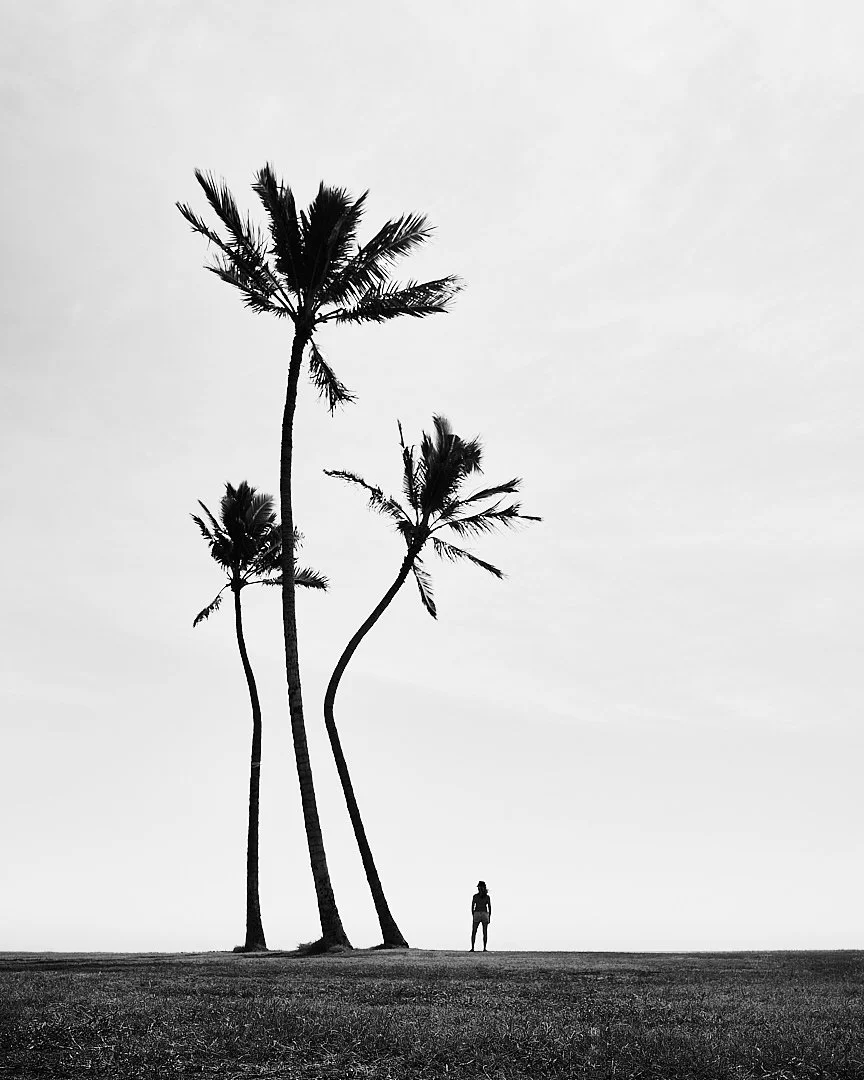
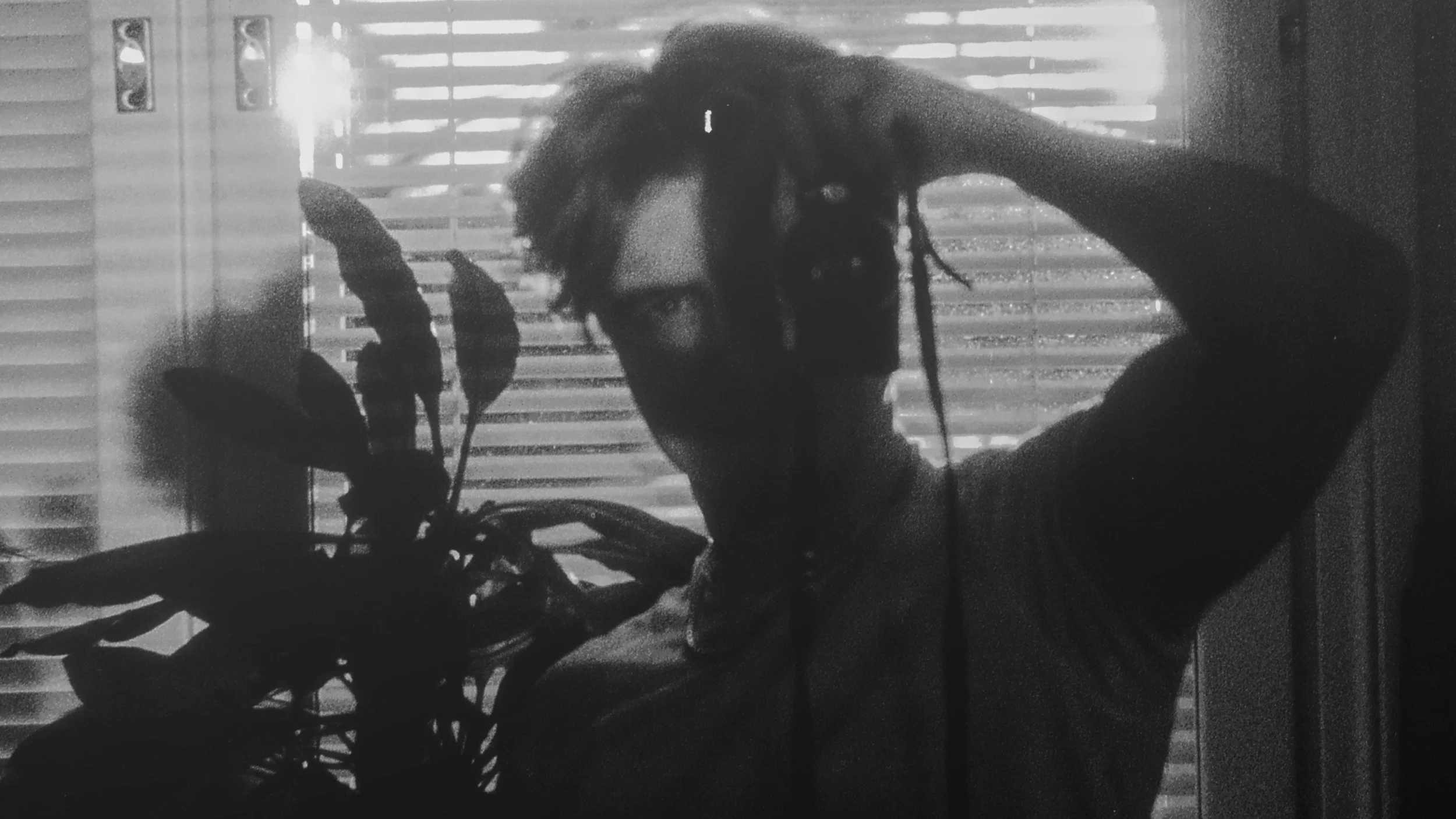
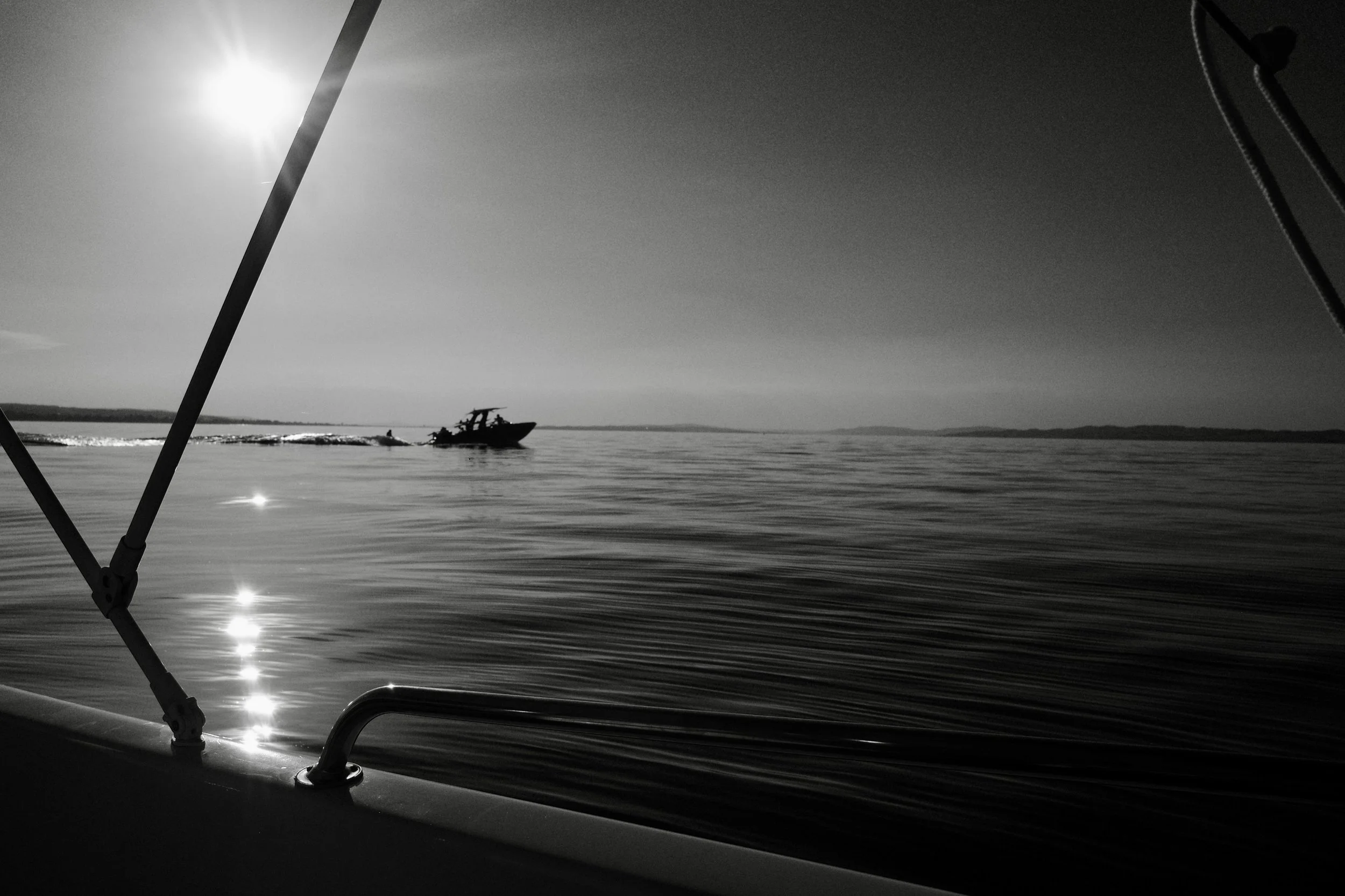
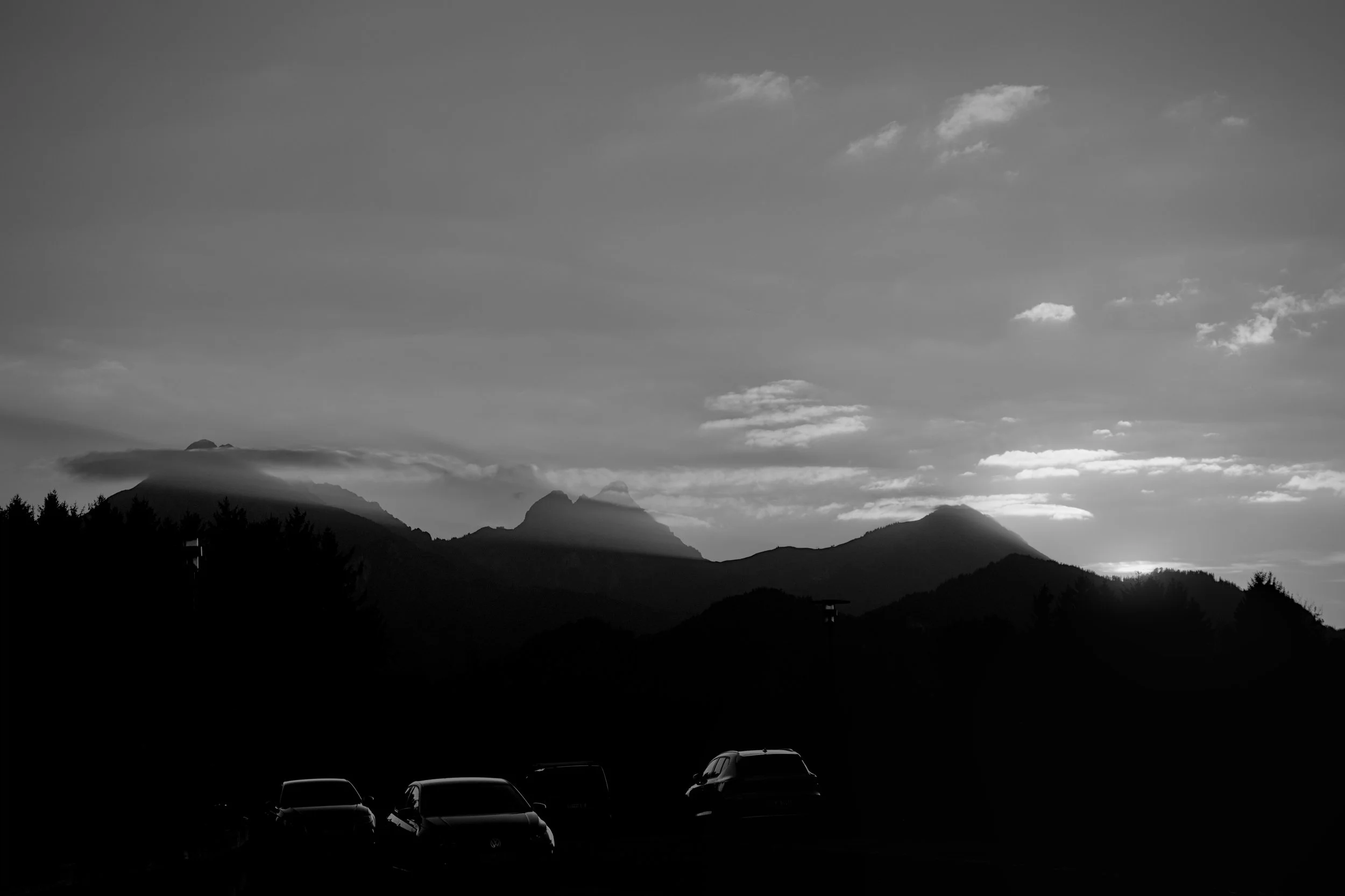
Hard light creates drama. Soft light creates intimacy. Side light reveals texture. Backlight creates silhouettes and separation. Each one produces a different emotional register in a black and white image, and the photographer who understands this is not just reacting to the light they find. They are choosing it.
But here is where the triangle begins to matter. Light alone is not enough. You can stand in the most extraordinary light the world has ever produced the last ten minutes before a storm, golden hour in a city canyon, the flat grey of an overcast February afternoon and still make a photograph that nobody wants to look at. Because light without composition is raw material without form.
Composition
Composition is the decision about where to stand, where to point the camera, and when to press the shutter. It is the act of turning chaos into order. The world does not arrive pre arranged. It is messy and complicated and full of competing visual information. Composition is how you make sense of it.
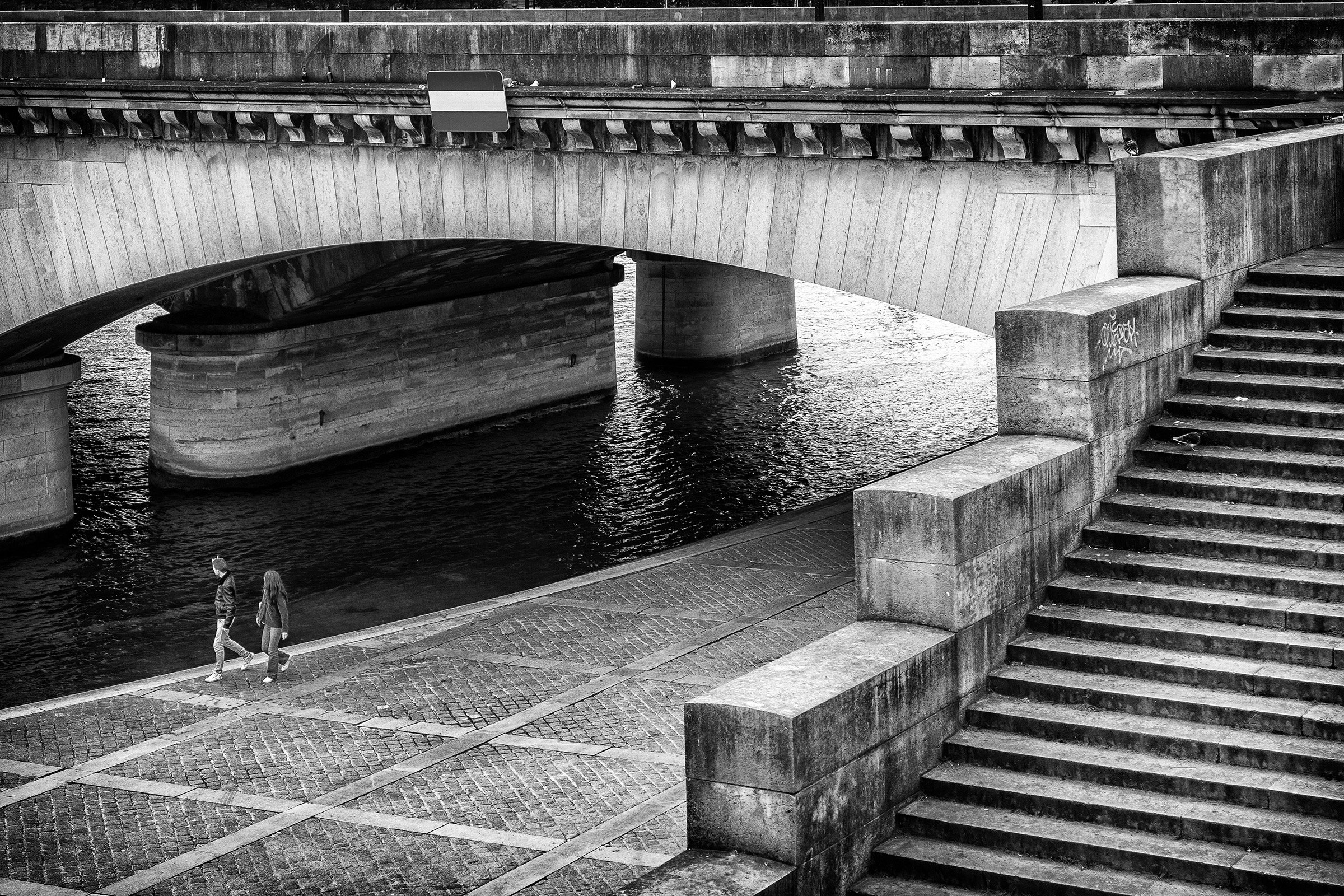
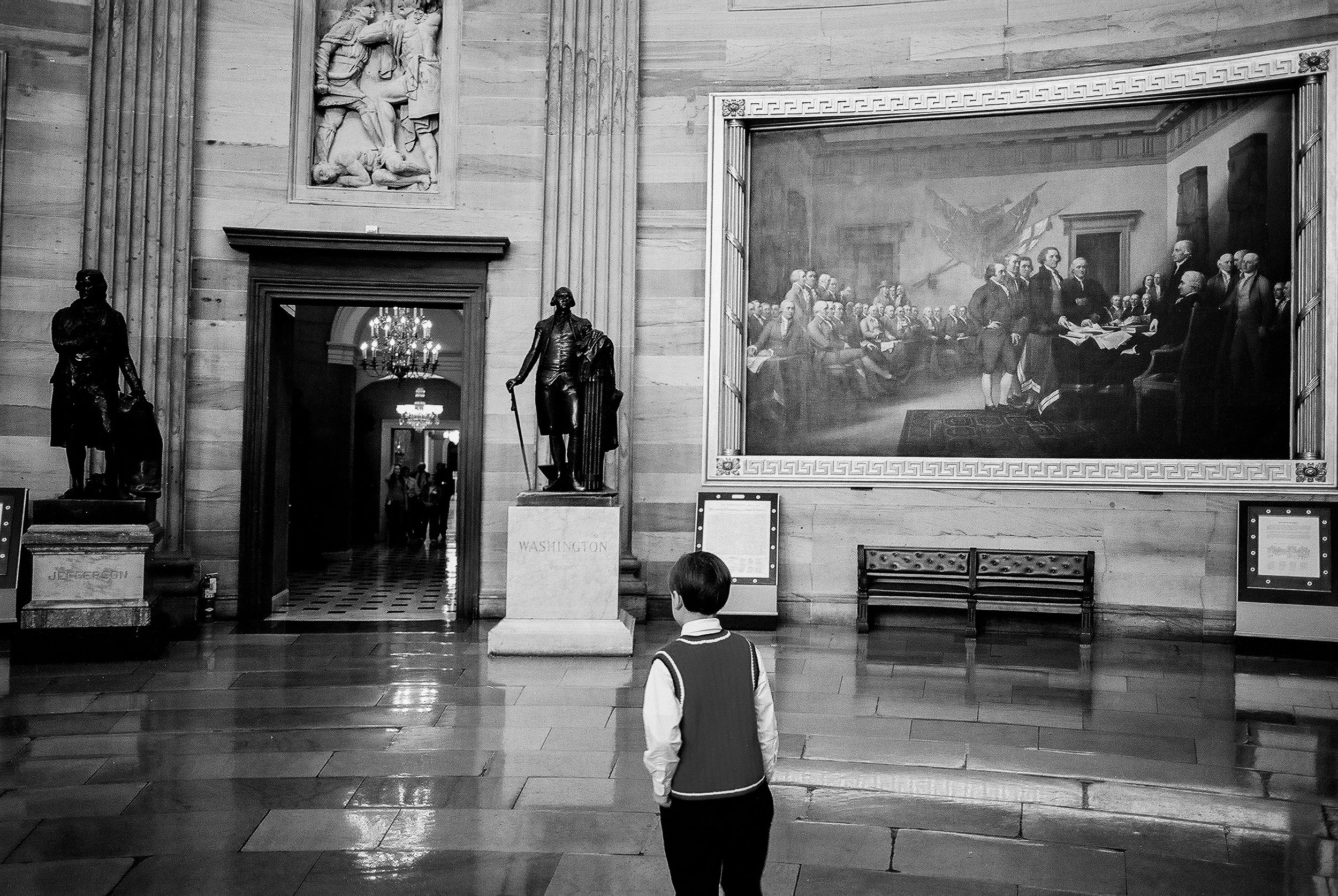
A strong composition gives the eye a path. It creates a fixed point to arrive at and a route to get there. It uses the edges of the frame deliberately, not as boundaries to be filled, but as forces that push the eye inward. It finds geometry in the ordinary: the diagonal of a shadow, the curve of a road, the parallelism of a row of windows. It understands that what you leave out is as important as what you keep in.
In monochrome, composition carries more weight than it does in color photography, for the same reason that light does: there is nothing else to rely on. A weak composition in a color photograph can survive on atmosphere. In black and white, it has nowhere to hide.
But again, the triangle applies. A perfectly composed frame, devoid of anything worth saying, is an exercise in geometry. Beautiful, perhaps. But cold. Composition without story is a technically accomplished photograph that does not move anyone.
Story
Story is the hardest point of the triangle to define, which is probably why most photography guides skip it entirely. You cannot measure it. You cannot teach it through a rule. It does not correspond to a setting on the camera or a technique in post processing.
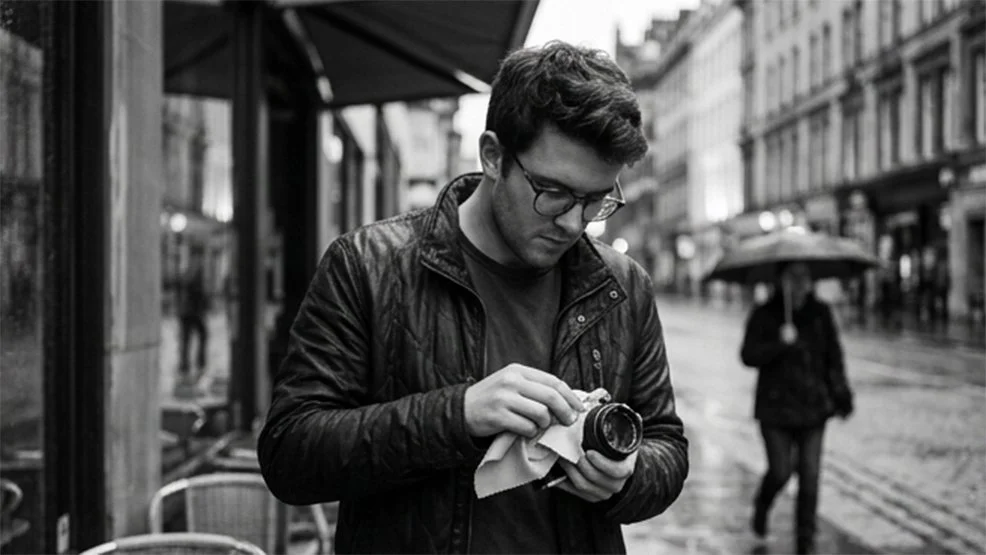
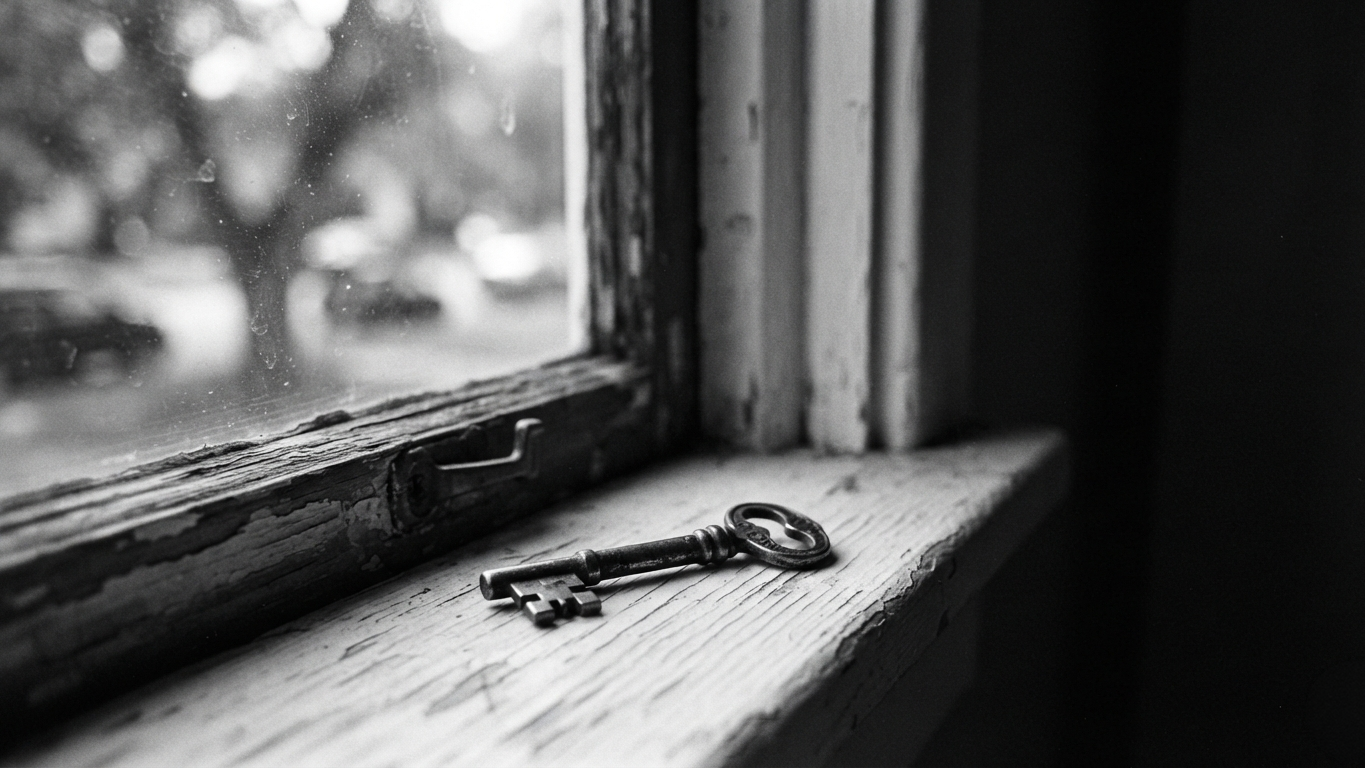
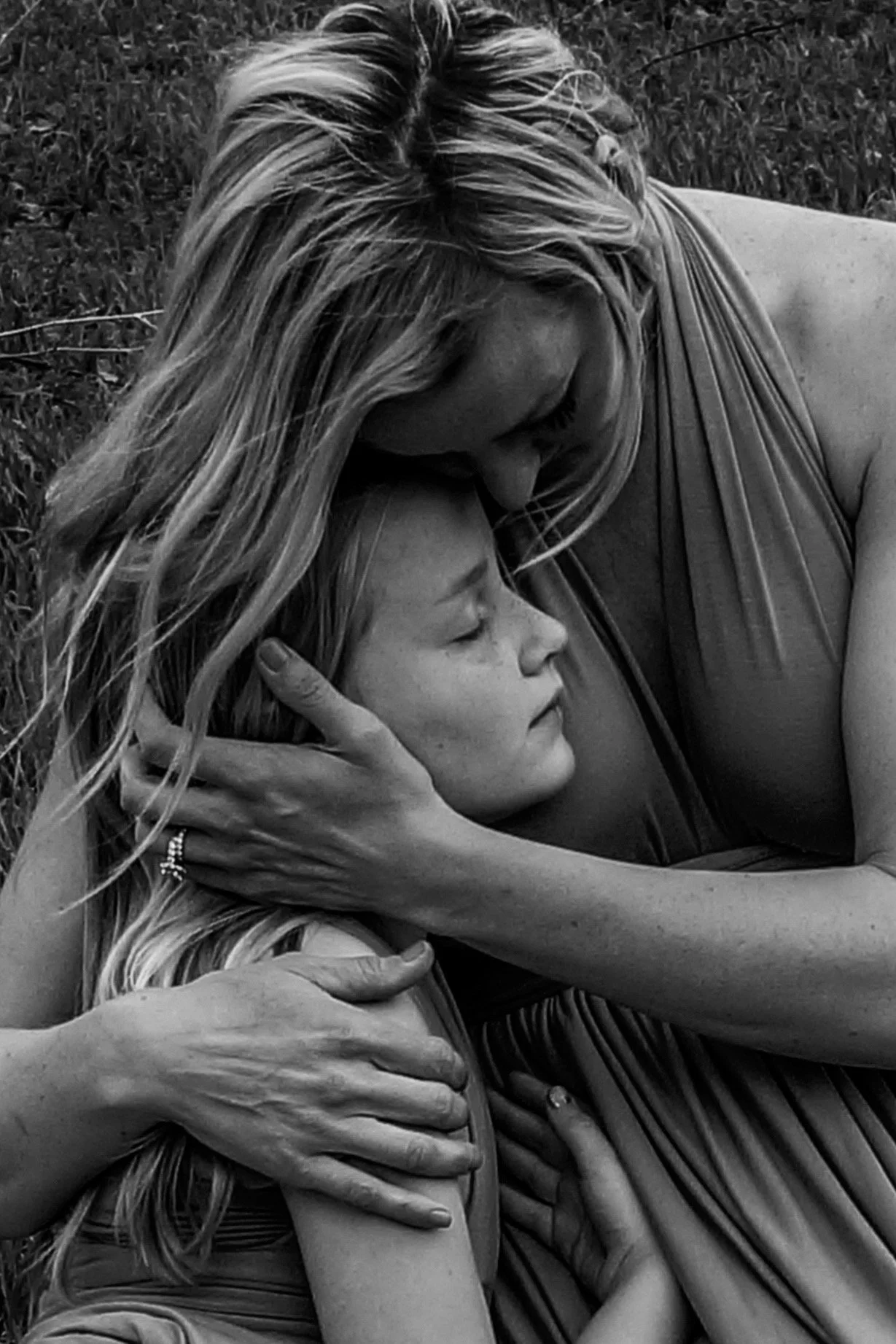
Story is the reason the photograph exists. It is the thing that makes a stranger stop and look. It is the question the image asks, or the emotion it creates, or the moment it preserves. A man sitting alone at the end of a pier. A child running through a spray of water on a summer street. An old building with a single lit window. None of these are complicated. But each of them contains something human. Something that a viewer can enter.
Story does not require drama. Some of the most powerful photographs ever made are profoundly quiet. What they share is intention. The photographer saw something and decided it mattered. That decision is story.
And here is where the triangle closes. Without light, the story cannot be told, the scene is either invisible or rendered flat, stripped of the tonal depth that gives it meaning. Without composition, the story has no structure, the eye cannot find its way to what matters, and the moment dissolves into noise. But without story, light and composition are just craft. And craft without purpose is decoration.
The Triangle
The exposure triangle works because its three elements are genuinely interdependent. Open the aperture and the depth of field changes. Increase the ISO and noise enters the image. Every adjustment has consequences. The three variables are locked together.
The Monochrome Triangle works the same way. Light shapes what composition is possible. Composition determines which story can be told. Story dictates what light and composition you need to go looking for. Change one and the others shift.
Consider what happens when one point fails. Good composition and a compelling story, but flat, directionless light: the image feels lifeless, the emotion drains away. Strong light and a real story, but careless composition: the eye cannot settle, the impact is lost. Perfect light and a beautifully structured frame, but nothing to say: the photograph is admired briefly and forgotten.
All three have to be working. And the difference between a photographer who consistently makes strong work and one who occasionally makes it is whether they are thinking about all three points before they press the shutter, not one at a time, but together, as a system.
How to Use It
The exposure triangle is a technical tool. You use it in the moment to get the correct exposure. The Monochrome Triangle is a creative tool. You use it before the moment to understand what you are looking for.
When you step outside with a camera, ask three questions. Where is the light and what is it doing? What composition does that light make possible? And what story can exist within that composition and that light?
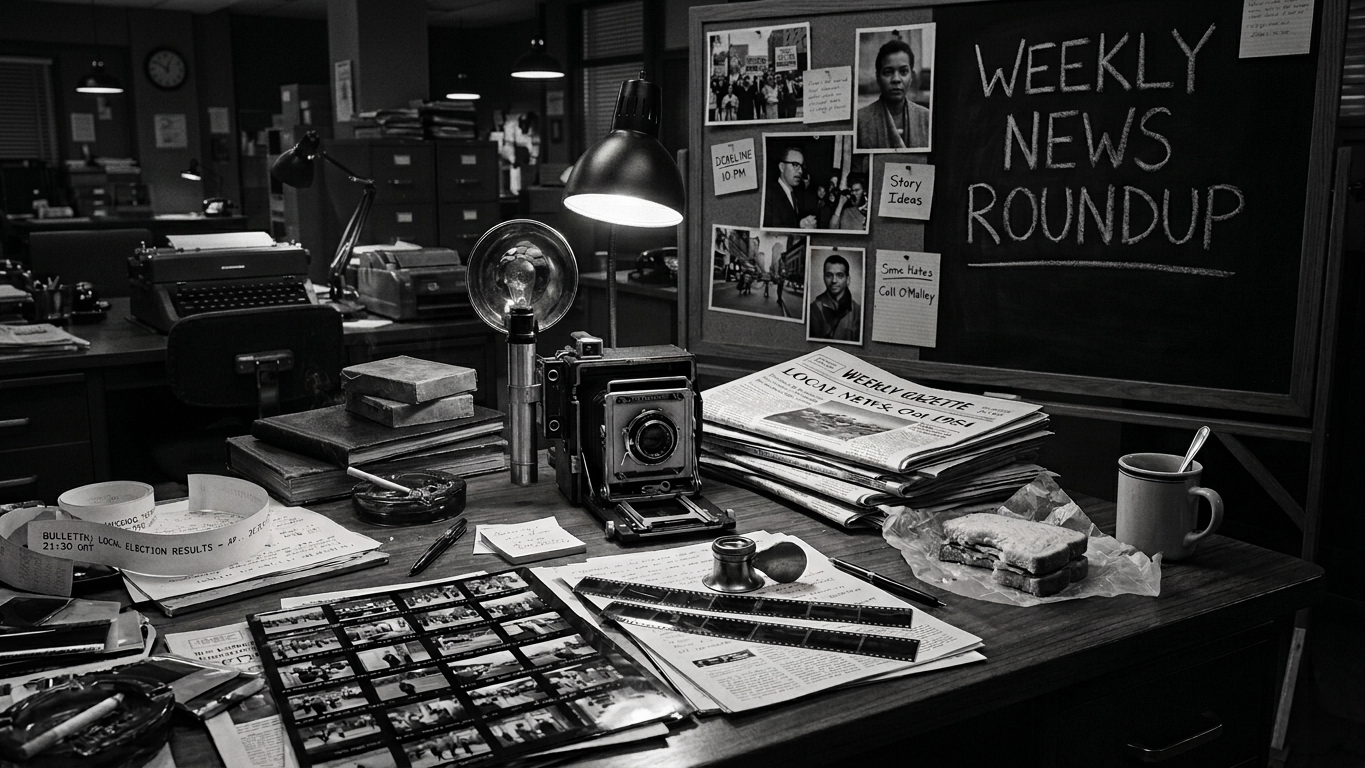
You will not always have answers to all three before you shoot. Often the story reveals itself only in the editing, when you look at a contact sheet and realise that one frame, out of forty, has something the others do not. But asking the questions trains the eye. It builds a habit of seeing that eventually becomes instinct.
The exposure triangle made you a technically competent photographer. The Monochrome Triangle is what makes you an artist.
Ready to see the world differently? The Monochrome Method is a complete video course with lessons and assignments designed to help you craft compelling black and white images and build a portfolio that's unmistakably yours. Start Learning Today.
IF YOU WOULD LIKE TO IMPROVE YOUR BLACK AND WHITE PHOTOGRAPHY TRY THE LESSONS BELOW.





A Beginners Guide To Black And White Photography