
The Photography Contest Industry Does Not Care About Your Photography
Every week thousands of photographers pay to enter contests that were never designed for them to win. Here is what is really going on.
Open Instagram on any given day and you will find at least a dozen photography contests asking for submissions. Enter your best work. Pay a small fee. Win exposure, prizes, recognition. It sounds like a straightforward deal. For most photographers who enter, it is not.
The photography contest industry is large, largely unregulated, and built on a simple insight: photographers want validation. They want to know that their work is good. They want their images seen by people who matter. They want the feeling, even briefly, of being recognized. Contest organizers understand this better than anyone. And a significant number of them have built very comfortable businesses around it.
This is not a niche problem. It is the default model.
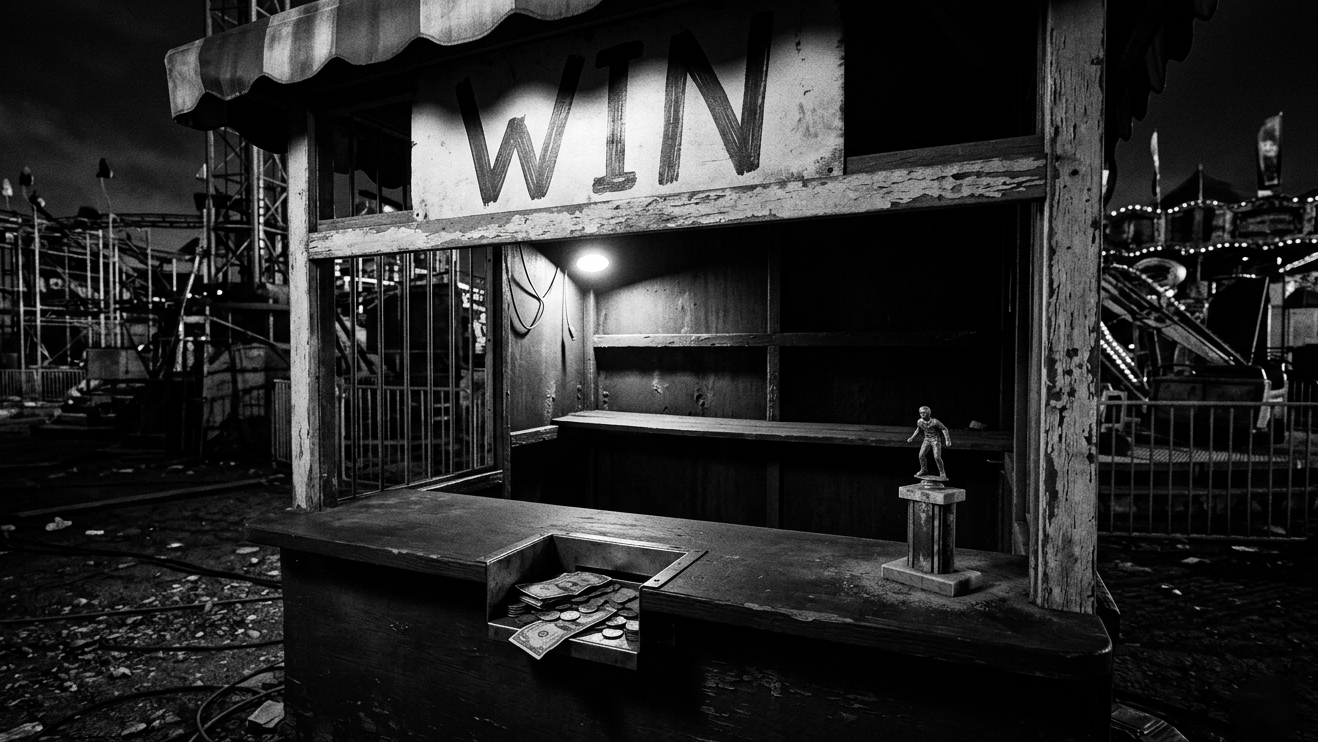
How the money works
A photography contest charges ten dollars per entry. It receives five thousand entries. That is fifty thousand dollars in revenue before a single prize is awarded. The prize pool is ten thousand dollars. The organizer keeps forty thousand. The winners receive their prizes and their moment of recognition. The other four thousand nine hundred and ninety nine photographers receive nothing except the quiet hope that next time might be different.
This is not fraud. But it is also not what most photographers think they are participating in when they enter. They think they are competing on merit for meaningful recognition. What they are actually doing, in many cases, is funding someone else's business with their entry fee and their creative work.
The rights problem
Read the terms and conditions of the next contest you consider entering. Not the summary. The actual terms. Pay particular attention to the section on image rights.
Many contests, including some well known ones, include language that grants the organizer a broad, royalty free, perpetual license to use submitted images for promotional purposes. In plain language that means they can use your photograph to market their contest, their brand, and their associated products without paying you anything further. You entered once, paid your fee, and in doing so handed over the right for your image to be used indefinitely.
Some contests go further and claim rights not just to winning images but to all submitted work. Thousands of photographers unknowingly sign over usage rights to their images every year in exchange for the chance to win a competition they almost certainly will not win.
The validation trap
The deeper problem is the one that makes all of this possible. Photography contests work because photographers are insecure about their work. Not all photographers, and not all the time, but enough, and often enough, that an entire industry has been built around that insecurity.
We want external confirmation that what we are doing has value. We want someone with apparent authority to look at our work and tell us it is good. Contests offer exactly that, or the possibility of it, and we pay for the chance because the alternative, trusting our own judgment, feels harder and less certain.
This is worth sitting with. Because the validation a contest can offer, even a legitimate one, is narrower than it appears. A panel of judges, working to a brief, selecting images that fit a particular theme or aesthetic, is not measuring the overall quality of your photography. It is measuring how well a specific image fits a specific set of criteria on a specific day. Winning tells you something. Not winning tells you almost nothing.
The ones that are worth it
Not all contests are the same and it would be dishonest to suggest otherwise.
The Sony World Photography Awards, World Press Photo, the Taylor Wessing Portrait Prize, the Prix Pictet, and a handful of others represent genuine excellence in the field. They have established reputations, named and credible judging panels, transparent processes, and winners whose careers have genuinely benefited from the recognition. Being shortlisted for any of these carries real weight.
The difference between these and the gray area contests is not always the entry fee. It is the track record, the transparency, the credibility of the judges, and the real world value of the recognition they offer. A contest with a verifiable history, publicly named judges, and winners you can look up and find doing serious work is worth considering. A contest that is six months old, run by an organization with no history, offering vague prizes and broad image rights, is not.
What to do instead
If you want your work seen, build a body of work worth seeing and put it somewhere permanent. A website. A printed portfolio. A series of images with a clear point of view and a reason to exist. That body of work will do more for your development and your reputation than a hundred contest entries.
If you want feedback, find photographers whose work you respect and whose judgment you trust and ask them directly. That conversation will teach you more than a rejection email from a contest you paid to enter.
If you want recognition, build a community around your work. Share it consistently, engage genuinely with other photographers, and let the work speak for itself over time. Recognition that is earned through sustained effort and genuine connection means something. A certificate from a contest you paid to enter does not mean very much at all.
Enter the contests worth entering. Skip the ones that are not. And before you enter any of them, read the terms.
Ready to see the world differently? The Monochrome Method is a complete video course with lessons and assignments designed to help you craft compelling black and white images and build a portfolio that's unmistakably yours. Start Learning Today.
IF YOU WOULD LIKE TO IMPROVE YOUR BLACK AND WHITE PHOTOGRAPHY TRY THE LESSONS BELOW.





A Beginners Guide To Black And White Photography