
Why Authenticity Matters in Photography and How to Find Your Own Voice
Your camera can record light with extraordinary precision. It cannot tell you what matters to you. That part is yours. Here is why authenticity is the foundation of every photograph worth making and how to find yours.
There are more photographs being made today than at any point in human history. Billions of images every day. Uploaded, scrolled past, forgotten. And yet the photographs that stop people, that get shared and saved and returned to, remain remarkably rare. The equipment has never been better. The access has never been easier. And most of what gets made is instantly forgettable.
The reason is not technical. The reason is that most photographs are made in the image of other photographs. Photographers look at what is working for other people and replicate it. The same compositions. The same locations. The same light. The same subjects. The result is a vast archive of competent, careful, completely interchangeable images that say nothing in particular about the person who made them.
Authenticity is what separates the photograph that stops you from the one you scroll past in half a second. It is the quality that makes a stranger feel like a photograph was made specifically for them, even though they have never met the photographer. It is the hardest thing to learn and the only thing that cannot be copied.
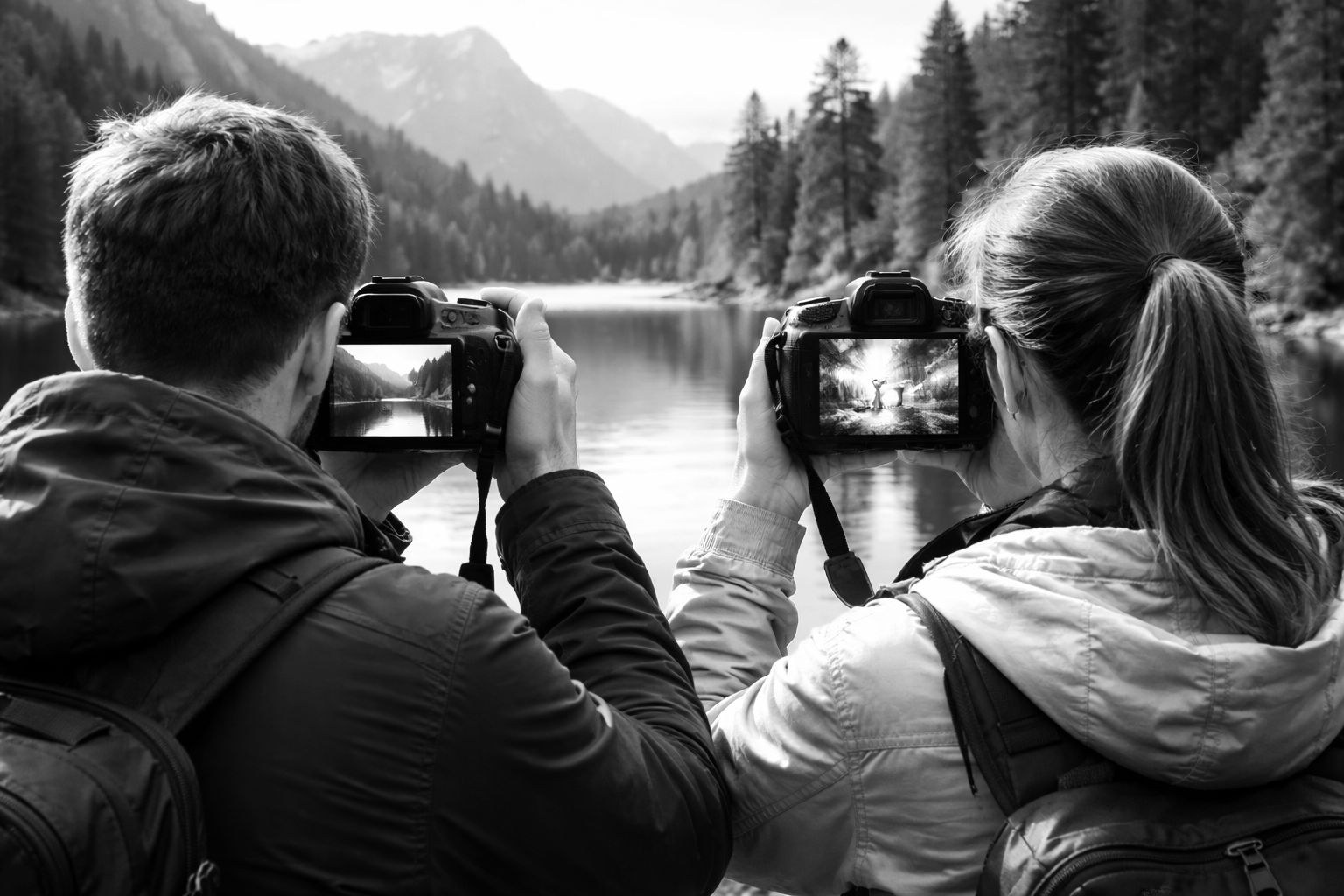
What Authenticity Actually Means
Authenticity in photography is not about being unconventional. It is not about avoiding popular subjects or refusing to use techniques that other people use. A photograph of a lighthouse at golden hour can be completely authentic. A photograph of an obscure subject in an unusual location can be completely hollow. The subject is not the point.
Authenticity means that the photograph reflects a genuine way of seeing. That the decisions made, what to include, where to stand, when to press the shutter, came from somewhere real inside the photographer rather than from a template borrowed from someone else. It means the image has a point of view. Not an opinion necessarily, but a perspective. A sensibility. Something that could only have come from this particular person looking at this particular thing.
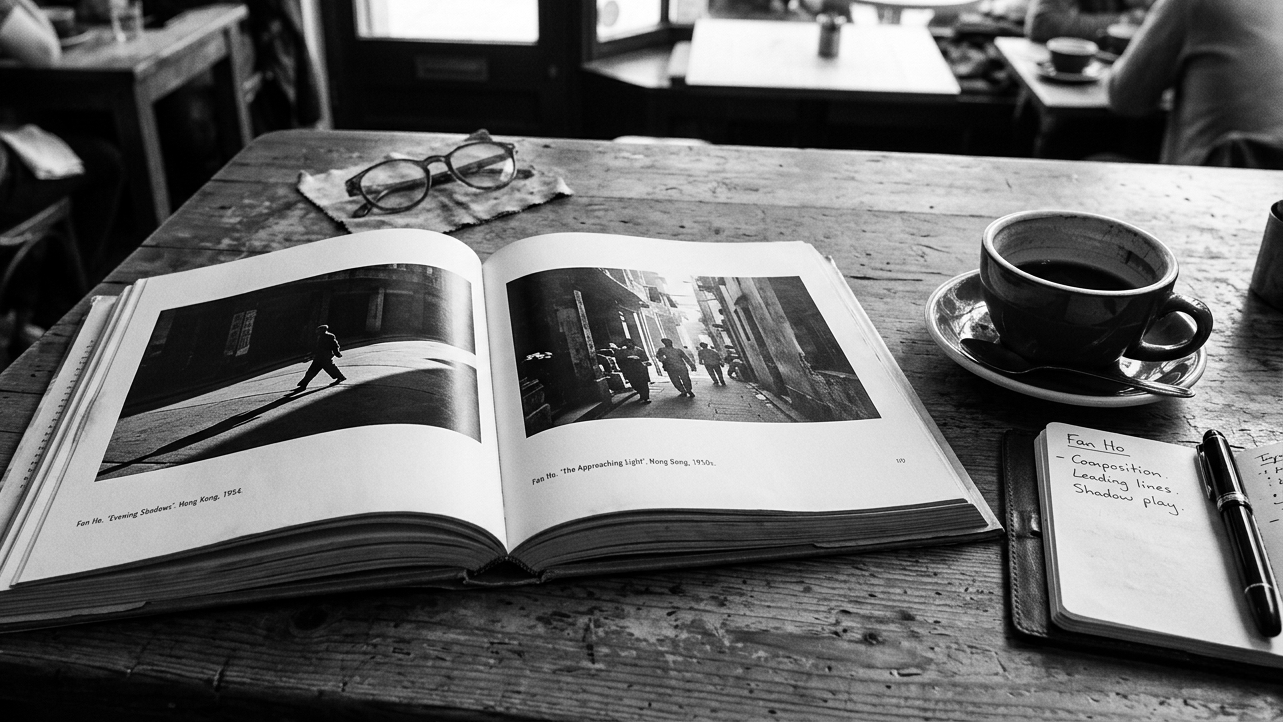
The photographer who has developed an authentic vision makes photographs that are recognisable as theirs even without a signature. You look at a contact sheet from Vivian Maier or Fan Ho or Saul Leiter and you know immediately who made it. Not because they used a distinctive filter or a recognisable location, but because the way they saw the world was entirely their own. That way of seeing is what authenticity means.
Why It Matters
The practical argument for authenticity is simple. In a world saturated with images, the only photographs that cut through are the ones that offer something nobody else is offering. If your work looks like everyone else's work, there is no reason for anyone to seek it out specifically. You become interchangeable. And interchangeable is invisible.
But the deeper argument matters more. Photography made without authenticity is ultimately unsatisfying to make. You can spend years developing technical skills, investing in equipment, visiting beautiful locations, and still feel like something is missing. That something is usually meaning. The sense that the photographs you are making are actually yours. That they say something about how you see the world rather than how someone else told you to see it.
Photographers who find their authentic voice describe the shift as one of the most significant things that ever happened to their practice. Not because their photographs suddenly became technically better, but because they became genuinely interested in their own work. They stopped comparing their images to other people's images because comparison stopped making sense. You cannot compare a voice to a voice. You can only listen.
Why It Is Hard to Find
The difficulty with authenticity is that it cannot be acquired directly. You cannot decide to be authentic and immediately become so. It develops slowly, through a process that is often uncomfortable, and it requires a willingness to make photographs that other people might not immediately respond to.
The primary obstacle is influence. Every photographer you admire is shaping the way you see. Every image you look at, every tutorial you watch, every community you participate in, is feeding you a set of visual references that inevitably influence what you reach for when you pick up the camera. This is not a problem to be solved. Influence is how all art develops. The problem is when influence becomes substitution, when you are not learning from other photographers but simply replicating them.
The second obstacle is approval. Social media has made the feedback loop between making an image and receiving a response almost instantaneous, and that immediacy creates a powerful incentive to make photographs that get responses rather than photographs that feel true. The image optimised for likes is almost never the same as the image made from genuine feeling. Over time, optimising for approval trains you to distrust your own instincts and defer to the crowd instead.
How to Find Your Authentic Voice
There is no shortcut to this. But there are practices that move you in the right direction.
Shoot what genuinely interests you, not what you think should interest you.
This sounds obvious and is surprisingly difficult. Most photographers, if they are honest, spend significant time photographing things they think make good photographs rather than things they actually find compelling. The test is simple: when you are not holding a camera, what do you find yourself noticing? What catches your eye on an ordinary Tuesday afternoon? That is where your authentic subject matter lives.
Spend time with your own archive.
Print your photographs, or at least look at them properly rather than scrolling past them on a phone screen. Over time, patterns emerge. Subjects you return to. Compositional instincts you reach for without thinking. Light conditions that consistently draw you in. These patterns are not accidents. They are the beginnings of a vision. Follow them.
Reduce your inputs deliberately.
If you are consuming photography constantly, you are constantly being told how other people see the world. Step back from it. Not forever, but long enough to hear your own voice more clearly. Put the phone down. Stop scrolling the feeds. Go and make photographs without checking what anyone else is making first. See what you reach for when there is no one else's work in your head.
Make photographs that you would make even if nobody would ever see them.
This is the most reliable test of authenticity. If the answer to the question why did you make this photograph is because I thought it would do well, the photograph is probably not yours. If the answer is because I had to, because something about that moment demanded to be recorded, then you are getting closer.
Give yourself permission to be unresolved.
Authentic work often feels unfinished compared to technically accomplished work. It can be awkward, uncertain, harder to categorise. This is not a weakness. It is evidence of genuine exploration. The most significant bodies of photographic work are rarely the most polished. They are the most honest.
The Paradox
Here is the thing about authenticity that nobody tells you when you start looking for it. The search itself changes you. The act of paying serious attention to what you actually see, rather than what you are supposed to see, gradually develops a way of looking that is entirely yours. You do not find your authentic voice so much as grow it, slowly, through the accumulation of honest decisions made one photograph at a time.
It takes longer than learning to expose correctly or compose a strong frame. It requires a willingness to make photographs that do not immediately succeed and to keep making them anyway. It means accepting that your best work will probably not be your most popular work, at least not at first.
But it is the only work worth making. Because a technically perfect photograph that says nothing is just evidence that the camera was pointed at something. An authentic photograph, however imperfect, is evidence that a human being was there.
Ready to see the world differently? The Monochrome Method is a complete video course with lessons and assignments designed to help you craft compelling black and white images and build a portfolio that's unmistakably yours. Start Learning Today.
IF YOU WOULD LIKE TO IMPROVE YOUR BLACK AND WHITE PHOTOGRAPHY TRY THE LESSONS BELOW.


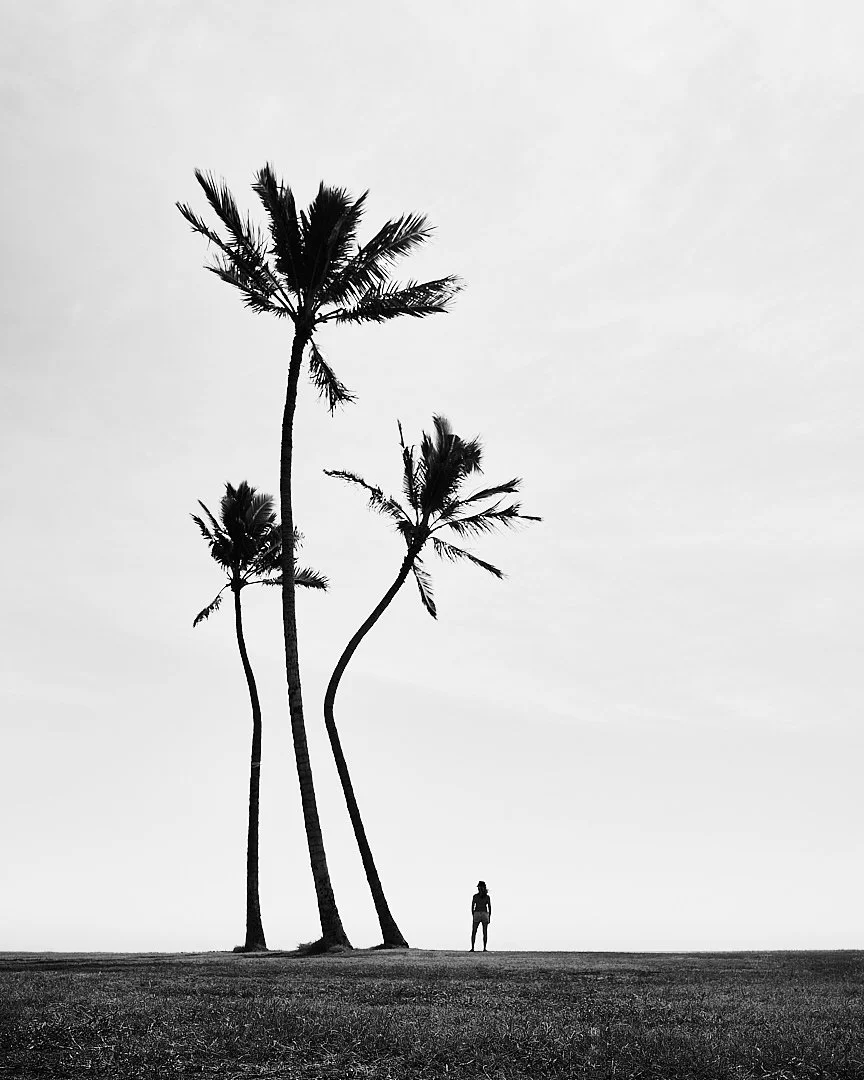


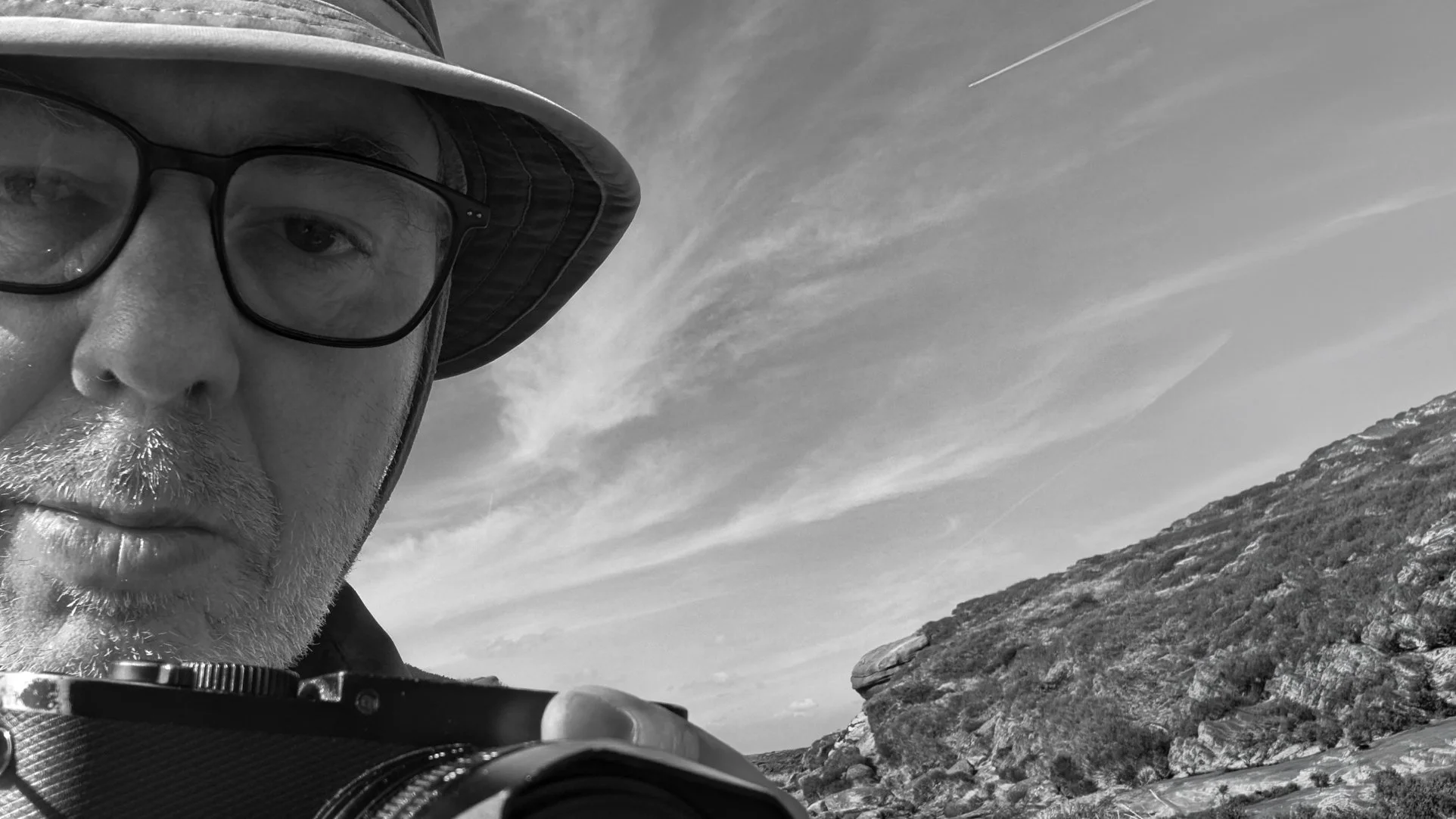
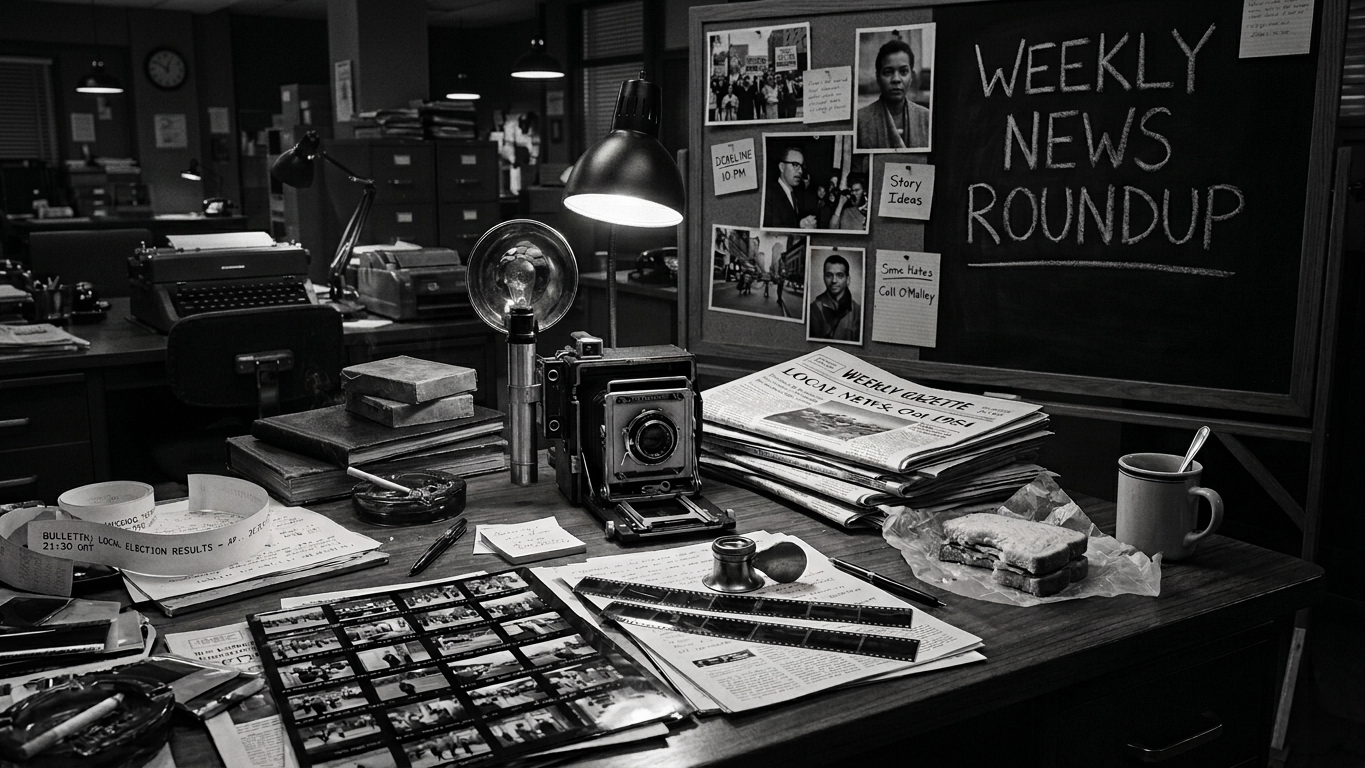
A Beginners Guide To Black And White Photography